SpeedSUVs.com
A Shift Toward Traditional Utility
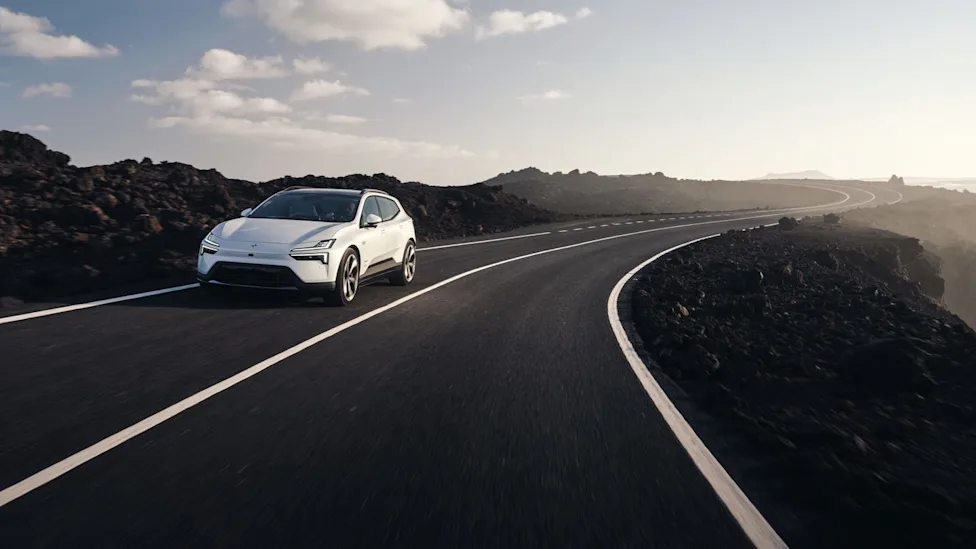
The automotive landscape recently witnessed the debut of the Polestar 4 SUV, a model that significantly shifts the design language of its fastback predecessor. While the original Polestar 4 model garnered attention for its unconventional decision to omit a rear window, the new SUV variant embraces a more traditional silhouette. With its elongated roofline, the vehicle effectively functions as an electric wagon, prioritizing functional space and occupant comfort over the polarizing aesthetics of the previous fastback iteration.
Design and Structural Enhancements
Visually, the front of the Polestar 4 SUV remains largely consistent with its sibling, retaining the sharp, pointed headlights and a distinctive trapezoidal bumper grille. The primary evolution occurs beyond the B-pillar. The extended roof not only provides a more planted stance but also incorporates a traditional glass rear window, marking a significant departure from the camera-only visibility systems of the past. This adjustment directly addresses concerns regarding rear-view functionality, allowing drivers the choice between a standard rearview mirror or an upgraded digital display.
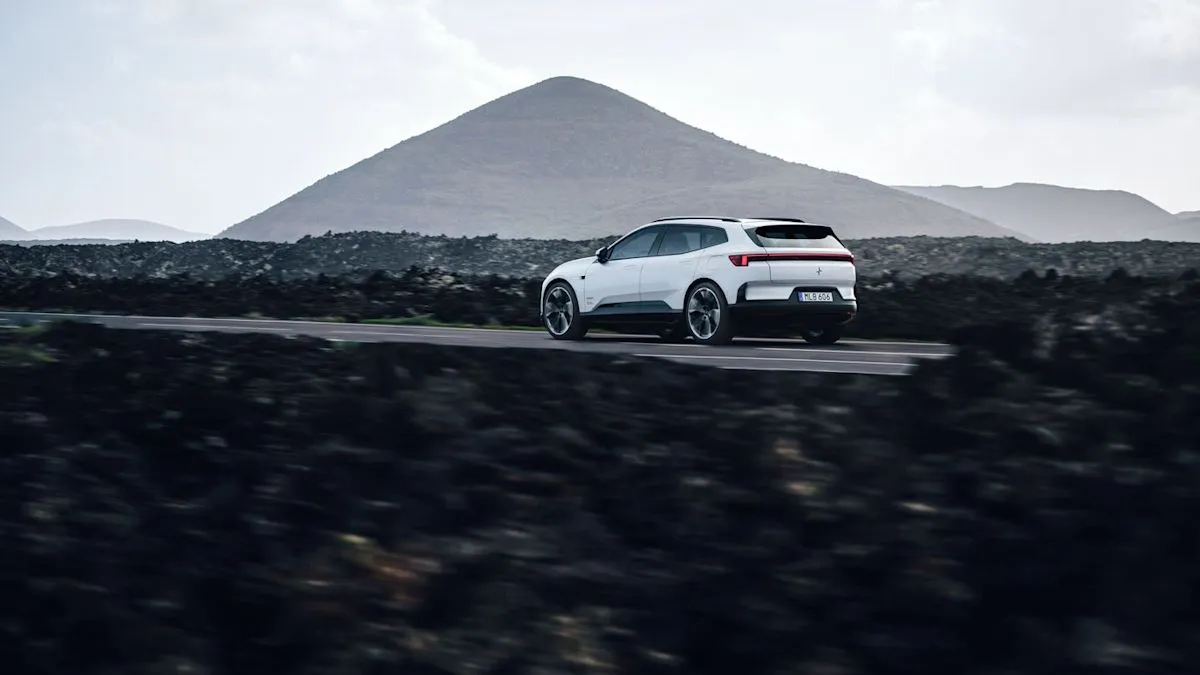
Beyond aesthetics, the structural changes yield practical benefits. The vehicle offers approximately one extra inch of rear headroom, a notable improvement for taller passengers. Furthermore, cargo capacity has seen a boost; the SUV provides roughly 23 cubic feet of space with seats upright, growing to 59 cubic feet when folded. For comparison, the coupe variant offered 19 and 54 cubic feet respectively. Additionally, the inclusion of roof rails supporting a 220-pound dynamic load enhances the vehicle’s utility for outdoor enthusiasts.
Technological Advancements and Interior Features
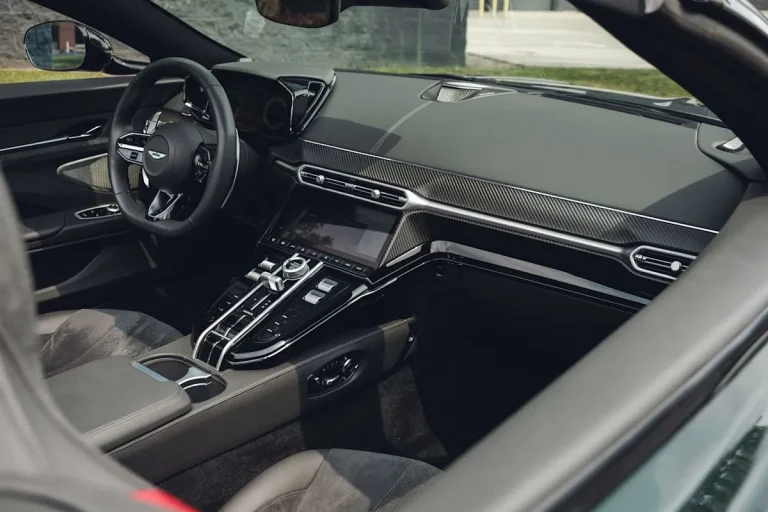
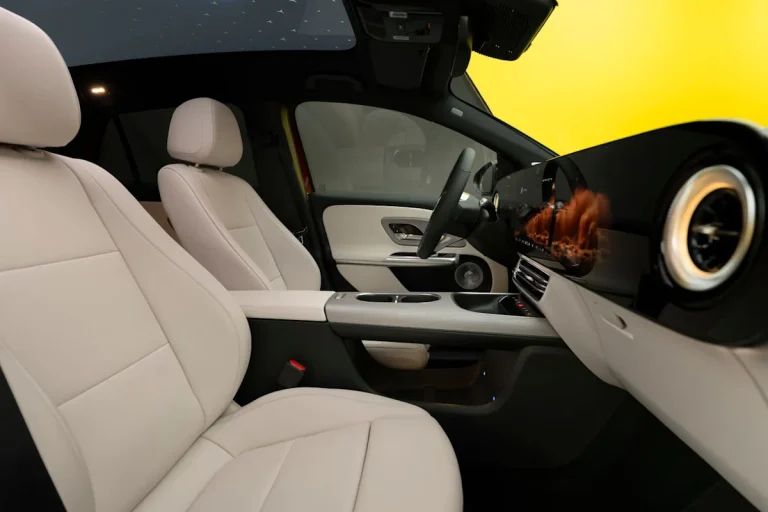
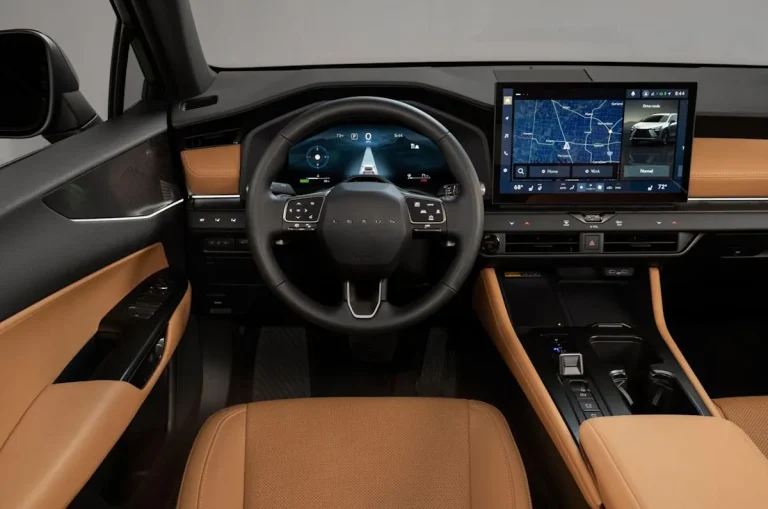
The interior continues the minimalist, screen-centric philosophy found in previous Polestar models. A large central touchscreen serves as the primary interface for most vehicle functions. Commitment to sustainability remains a core pillar, with the cabin utilizing synthetic fabrics derived from recycled plastics. For those seeking premium options, Bridge of Weir nappa leather is available, sourced as a by-product of the food industry with a focus on animal welfare and supply chain transparency.
A standout feature of the new model is the electrochromic glass roof. Unlike the fixed panoramic glass of the coupe, this version can transition between transparent, fully tinted, or selectively shaded states at the push of a button. The vehicle also introduces a dedicated Camping mode, which maintains climate control, entertainment, and ambient lighting while parked, supported by a vehicle-to-load function that powers external accessories via the onboard battery.
Performance and Range
Under the hood, the powertrain remains unchanged. Buyers can choose between a 268-hp single-motor rear-wheel-drive configuration or a robust 536-hp dual-motor all-wheel-drive setup. Power is sourced from a 94.0-kWh battery. According to the WLTP test cycle, the rear-drive model achieves up to 391 miles of range, while the all-wheel-drive variant offers 372 miles. It is important to note that these figures are optimistic estimates based on European testing protocols.
Market Availability and Constraints
Despite its improvements, the Polestar 4 SUV faces a significant hurdle: regional availability. The vehicle is slated for production in Busan, South Korea, with sales beginning in the fourth quarter of this year. However, it will not be sold in the United States. This exclusion is a direct result of recent U.S. government regulations regarding the use of Chinese-sourced software and hardware in vehicles, which has prompted the brand to phase out its presence in the American market following the 2026 model year.
Pros and Cons Summary
- Pros: Increased cargo volume and rear headroom compared to the fastback; inclusion of a traditional rear window; innovative electrochromic roof technology; useful vehicle-to-load capabilities for camping.
- Cons: Limited market reach with no U.S. availability; range estimates are based on optimistic WLTP testing; limited exterior color options shown in promotional materials.
Conclusion: The Polestar 4 SUV successfully corrects the practical shortcomings of its fastback counterpart by offering a more conventional, utility-focused design. While it presents a compelling package of performance and smart features, its unavailability in the U.S. market makes it a distant prospect for many potential buyers. For those in available markets, the balance of cargo space and modern tech makes it a versatile choice for those transitioning to electric mobility.