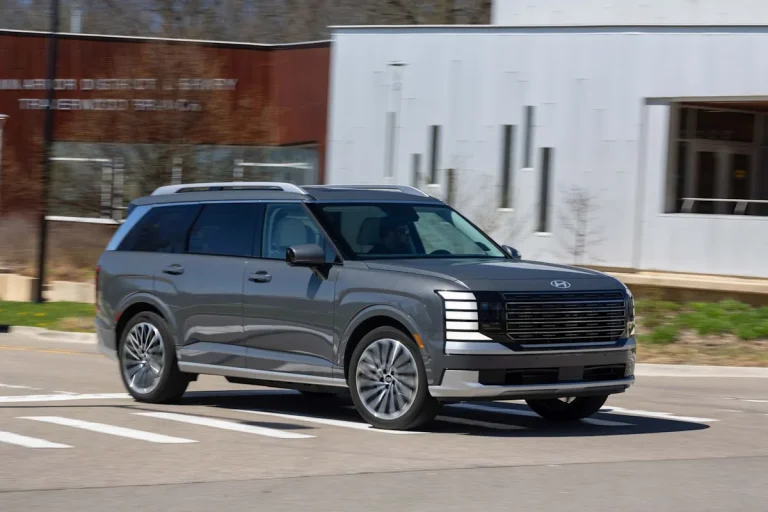
SpeedSUVs.com — A late-night ride-hailing request turned into a distressing situation when a commuter who booked a motorcycle taxi was confronted by a driver arriving in an unauthorized four-wheeler. The incident took place around 11:07 pm at the Sector 16 Noida Metro station, where Moni Shandilya, an associate consultant, had requested a Rapido bike to return home. What was expected to be a standard two-wheeler trip quickly escalated into a severe safety concern due to discrepancies between the booking details listed on the mobile application and the physical vehicle that arrived at the pickup location.
According to the details displayed on the Rapido application during the initial booking, the ride was assigned to a driver operating a Hero Splendor motorcycle. The app prominently displayed the driver’s registered name along with a profile photograph, and while the commuter did not recall the entire registration number of the bike, she distinctly remembered that the last four digits were 8513. These preliminary verification details are designed to help commuters identify their designated driver before entering a vehicle, serving as a critical security checkpoint for late-night transit.
The situation began to diverge from routine protocol during the initial coordination phase over the telephone. The driver had accidentally driven toward Gate No. 3 of the Sector 16 Noida Metro station instead of Gate No. 4, where the passenger was waiting. Moni communicated with the driver over the phone, directing him to make a U-turn and proceed to the correct gate. However, a few minutes after the phone conversation, a car pulled up directly in front of her bearing a registration number completely different from the motorcycle details listed on her active booking.
The arrival of a four-wheeler immediately alerted the passenger that something was wrong, as her booking was exclusively for a two-wheeler ride. Upon looking closely at the vehicle, she recognized that the person inside the car was indeed the individual she had been speaking with on the phone. However, his physical appearance did not match the photo displayed on the Rapido application profile. The driver explained his reason for arriving in a car, stating that his motorcycle had suffered a mechanical breakdown and that he had decided to use the car as a substitute vehicle to complete the ride.
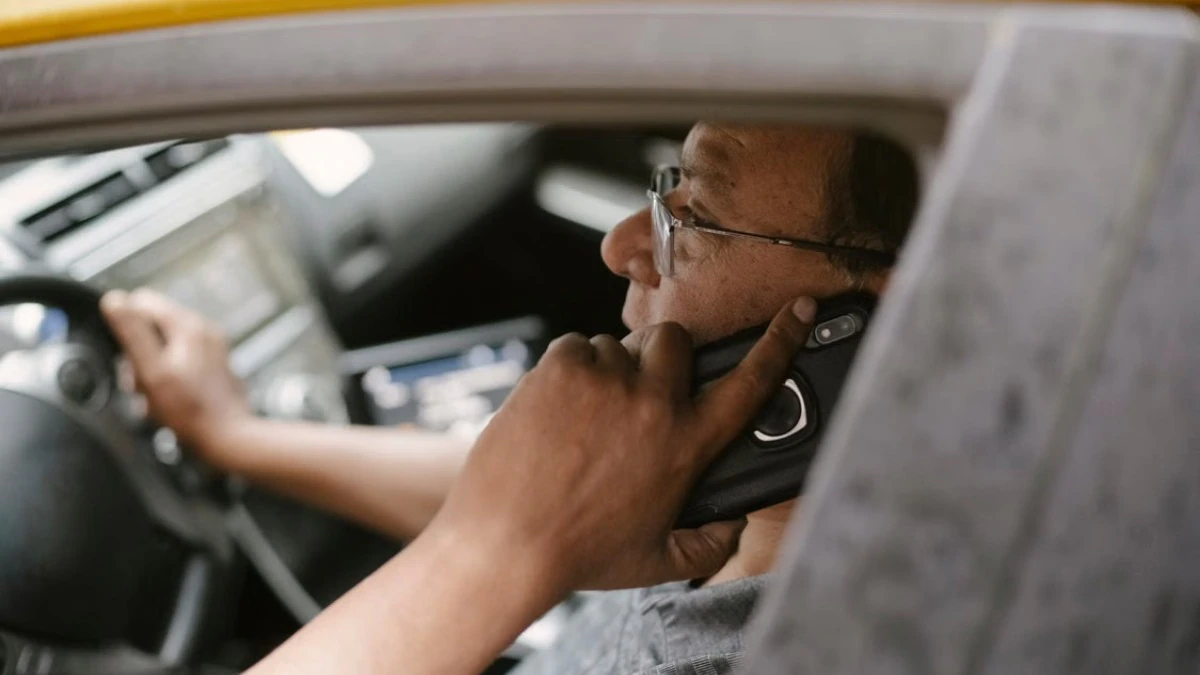
Despite the driver’s explanation, he repeatedly insisted that the passenger get inside the car to proceed with the trip. Recognizing the severe security risks associated with getting into an unverified automobile with a driver whose profile photo did not match, the passenger steadfastly refused to enter the vehicle. As the driver continued his persistent demands for her to get in, the situation caused her to feel increasingly unsafe, prompting her to start shouting at the driver to force him to retreat.
Following the vocal altercation, the driver eventually acknowledged that he would leave and cancel the booking. He drove his car slightly ahead of the metro station entrance and came to a stop. Feeling unsafe to remain in the vicinity of the driver, Moni took immediate action and canceled the ride herself through the application. The entire encounter left her shaken, highlighting the sudden stress commuters experience when faced with non-compliant ride-hailing situations late at night.
In her reflection on the event, Moni noted that in the immediate aftermath, she wished she had captured a screenshot of the booking details or taken photographs of the car and the individual involved. However, she explained that during the intense fear of the moment, her mind had gone blank, leaving her with the single priority of ensuring her personal safety and getting home securely. She emphasized that safety vulnerabilities in ride-hailing are not limited to a single demographic, pointing out that if a male passenger had been placed in the exact same scenario, it would have been equally unsafe for him as well.
Following the incident, Moni published a post detailing her experience on LinkedIn, explicitly calling upon Rapido to investigate the specific booking, verify the facts, and institute stringent measures to prevent other passengers from facing similar threats. Rapido subsequently acknowledged the post and engaged in direct communication with the commuter. The company publicly stated that the driver’s conduct was completely unacceptable and failed to align with their established service standards. Rapido confirmed that immediate action had been taken against the captain’s account and outlined steps to enhance security through real-time feedback, ride reviews, and vehicle verification checks.

The public sharing of this experience also prompted response from other commuters who shared similar encounters in the comments section. One user recounted an instance occurring just minutes prior, where an auto booking resulted in a driver arriving in a car and claiming to operate both vehicle types. Other community members commended Moni for her quick thinking and brave refusal to board the unauthorized car, validating her decision as the safest potential response under dangerous circumstances.
Evaluating Ride-Hailing Safety Controls and Vulnerabilities
An examination of the incident reveals several key operational strengths alongside critical security vulnerabilities within current ride-hailing practices:
Safety Protections and Positive Responses
- Clear display of driver profile photo, name, and vehicle registration numbers within the app provided the commuter with necessary data to identify a mismatch.
- Resilient passenger intervention, including loud vocal refusal, proved effective in defusing a potentially dangerous confrontation.
- Rapid post-incident enforcement by the platform resulted in immediate suspension of the reported captain’s account following direct review.
Operational Vulnerabilities and System Risks
- Lack of automated barriers preventing drivers from attempting unauthorized vehicle substitutions outside platform tracking.
- Discrepancies between registered account holder photographs and the actual individual operating the service.
- High-stress psychological impacts during emergencies that prevent passengers from collecting visual evidence like photos or app screenshots.
Conclusion
This incident underscores the absolute necessity for passengers to verify all ride details—including vehicle type, license plate, and driver identity—before boarding any ride-hailing vehicle. When discrepancies arise, refusing entry and immediately reporting the discrepancy remains the safest course of action for commuters.