SpeedSUVs.com — Autonomous vehicles represent one of the most significant technological shifts in modern transportation. However, even the most advanced self-driving systems occasionally encounter complex real-world situations they cannot resolve independently. To address this challenge, companies deploy remote-assistance operators who guide these driverless vehicles from centralized computer workstations. To standardize this critical role, the Automated Vehicle Safety Consortium (AVSC) at SAE International has published a comprehensive framework titled “Best Practice for ADS Remote Assistance Training and Human Factors.” This newly released document acts as a foundational curriculum guide, establishing what is essentially a modern “driver’s ed” program for the humans who support autonomous systems behind the scenes.
The Evolving Role of Remote AV Operators
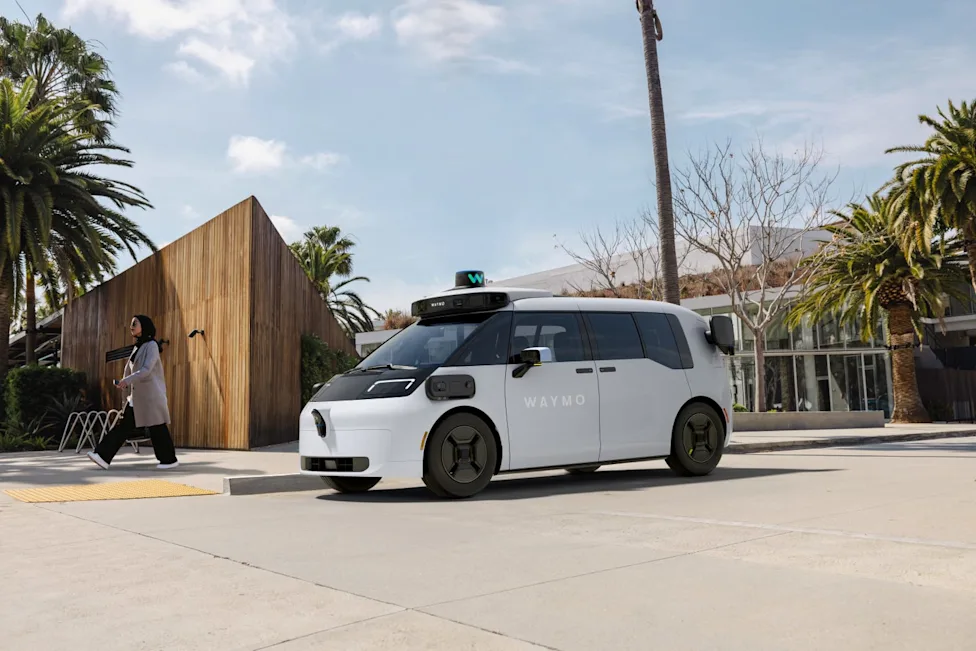
As autonomous vehicle technology advances toward Level 4 and Level 5 automation, the industry has recognized that complete independence is a gradual process. When a driverless car encounters an unexpected obstacle, a complex construction zone, or ambiguous road markings, it often stops and requests assistance. This is where remote operators step in. It is important to distinguish this role from actual remote driving. The AVSC framework assumes that these operators do not actively steer or control the vehicle using internet-connected steering wheels and pedals. Instead, their role is to monitor the vehicles and help them get unstuck by providing high-level decision-making support.
For instance, a remote helper might select the correct lane for the vehicle to proceed or approve a suggested path around an obstacle. The physical control of the vehicle remains with the onboard autonomous driving system, while the human operator provides the cognitive guidance needed to resolve confusion. This distinction changes the nature of the skills required for the job, shifting the focus from physical coordination to high-level situational awareness and decision-making capabilities.

Key Training Recommendations and Curriculum Design
The AVSC guidelines outline specific recommendations that robotaxi developers and autonomous vehicle operators can implement to build structured training programs. Because remote operators are not physically in the vehicle, their training must compensate for the lack of direct sensory feedback. The framework highlights several essential components for an effective remote operator curriculum:
- Local Rules of the Road: Operators must have an absolute and complete understanding of the traffic laws, road signs, dynamic signage, and lane markings of the specific geographic area where the vehicles are operating. This requirement is particularly challenging and crucial because the operator workstation might be located in a different city, state, or even on a different continent than the vehicle itself.
- System Comprehension: A remote operator must understand how the autonomous driving system works. This includes knowing the vehicle’s sensor suite, its decision-making algorithms, and the specific technology implementation used by the operating company. Understanding how data is captured and visualized on their screens helps operators make more informed decisions.
- Simulator-Based Training: The guidelines strongly advocate for the use of specialized simulators that do not feature physical wheels and pedals. These simulators can be used to train candidates and assess their readiness by running mock scenarios or playing back real-world driving situations. This training method helps operators practice identifying hazards and making decisions in a controlled environment.
- Structured Retraining: Unlike traditional driving education, which rarely requires drivers to retrain after receiving a license, the AVSC suggests regular retraining programs. This ensures that operators keep their skills sharp and remain updated on software updates, new vehicle behaviors, or changes to the user interface.
The Debate Over Licensing Requirements
One of the more unexpected aspects of the AVSC guidelines is the recommendation regarding traditional driver’s licenses. The paper notes that remote operators do not necessarily need to hold a valid driver’s license to perform their duties. Since the role does not involve traditional vehicle control—such as parallel parking or physical mirror adjustments—the primary crossover with standard driving is knowledge of road regulations. While the framework allows for license-free operation, it acknowledges that individual autonomous vehicle companies retain the discretion to require a clean driving record and a valid license for their hires. This flexibility allows companies to tailor their hiring criteria based on their specific operational needs and regulatory contexts.
Addressing Human Factors and Workplace Ergonomics
Working as a remote operator introduces unique psychological and cognitive challenges that differ significantly from traditional driving. The AVSC framework places a strong emphasis on managing the workstation environment and the operator’s mental state. While modern passenger cars use sensors to detect driver drowsiness or distraction from active driving, remote operators face the opposite challenge: cognitive underload and boredom. Spending long shifts monitoring systems with few active inputs can lead to reduced alertness and delayed response times.
To combat this, the guidelines suggest that companies design workstations and workflows that keep operators engaged even when there are no immediate tasks to perform. Additionally, the paper advises companies to train operators to recognize signs of fatigue or reduced performance within themselves. Crucially, it recommends providing a penalty-free system for operators to request breaks when they feel their performance is compromised. Furthermore, the operational workload can vary, as some companies task remote operators with managing communications with passengers, the general public, and emergency first responders. Defining the boundary between technical decision-making and customer service remains a key decision for individual operators.
Pros and Cons of the AVSC Guidelines
Analyzing the AVSC framework reveals several clear advantages along with a few areas where the industry may still face challenges. Understanding these elements can help industry stakeholders evaluate the impact of these best practices:
Pros
- Standardized Framework: It establishes a much-needed baseline for remote operator training, helping to fill the regulatory gap in the autonomous vehicle industry.
- Focus on Cognitive Health: By addressing cognitive underload and promoting penalty-free breaks, the guidelines prioritize the mental well-being and alertness of operators.
- Realistic Simulation: The recommendation to use simulator-based training and real-world playbacks ensures that operators are tested on actual scenarios they will face.
- Operational Flexibility: Allowing companies to decide on licensing and multi-tasking roles lets the framework adapt to different corporate models and technologies.
Cons
- Reliance on Common-Sense Measures: Many of the recommendations are basic, common-sense practices that some may feel should already be standard across the industry.
- Lack of Standardization in Licensing: By making traditional driver’s licenses optional, the guidelines may create inconsistency in hiring standards across different AV companies.
- No Mandatory Enforcement: As a set of best practices rather than government regulations, the implementation of these guidelines remains entirely voluntary for AV operators.
Conclusion
The SAE International Autonomous Vehicle Safety Consortium’s new guidelines offer a valuable starting point for structuring the training of remote AV helpers. By addressing key human factors, system training, and simulator use, the document provides a practical blueprint for companies working with Level 4 and Level 5 autonomous vehicles. While the voluntary nature of the guidelines and the lack of strict licensing requirements leave some decisions open to interpretation, this publication is a positive step toward industry transparency. It encourages major players to establish clear, robust training protocols, ensuring that the human safety net behind driverless technology is fully prepared for the road ahead.