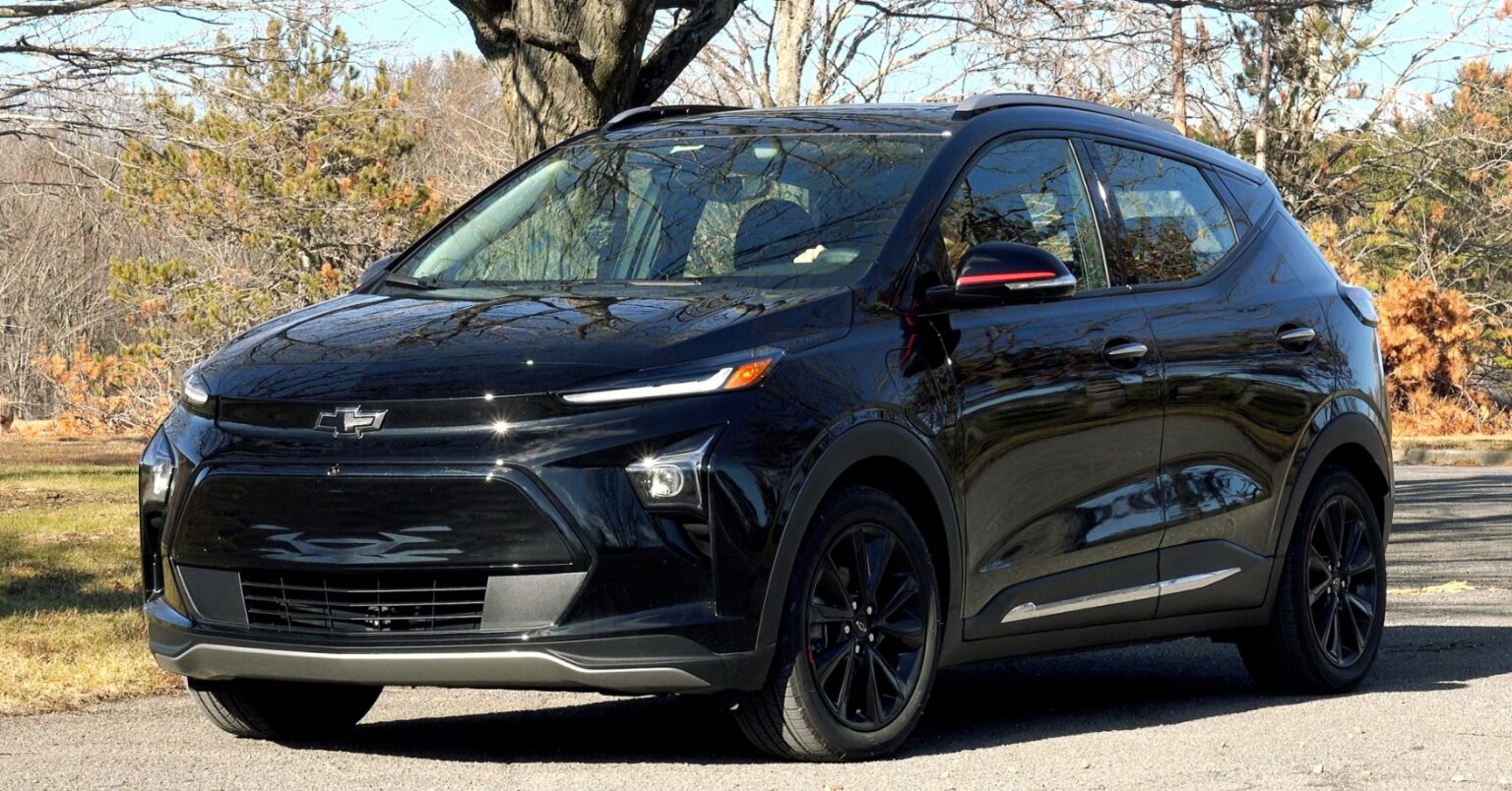
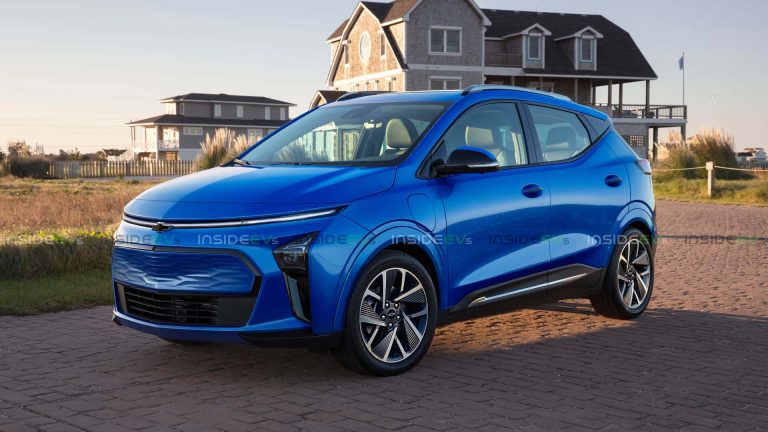
The electric vehicle (EV) landscape is buzzing with innovation, and few names resonate with accessible electrification quite like the Chevrolet Bolt. After a brief hiatus and a passionate outcry from consumers, General Motors confirmed the Bolt’s triumphant return. While the initial announcement focused on a new Bolt for the 2025 model year, speculation is rife about a subsequent 2026 Chevrolet Bolt EUV, bringing back the beloved crossover form factor on GM’s revolutionary Ultium platform.
This article delves into the anticipated 2026 Chevrolet Bolt EUV, exploring its potential release date, expected features, and offering a comprehensive buying guide for those eager to embrace its electric future.
The Return of an Icon: Setting the Stage for the 2026 Bolt EUV
The original Chevrolet Bolt, launched in 2017, was a game-changer. It offered a compelling blend of range, practicality, and an affordable price point, making EVs a reality for many mainstream buyers. Its sibling, the Bolt EUV (Electric Utility Vehicle), introduced in 2022, built on this success by offering a slightly larger, more SUV-like silhouette and enhanced comfort features like available Super Cruise hands-free driving technology.
However, despite strong sales, GM announced the discontinuation of both Bolt models at the end of 2023 to clear the path for a new generation of Ultium-based EVs. The decision was met with disappointment from a loyal customer base. Recognizing the Bolt’s enduring appeal and its crucial role in EV market penetration, GM swiftly reversed course, announcing in July 2023 that a "refreshed" Bolt would return for the 2025 model year, leveraging the advanced Ultium platform.
While the 2025 model is expected to be a redesigned version of the standard Bolt hatchback, the natural progression would be the reintroduction of the more spacious and popular EUV variant. It’s highly plausible that if the standard Bolt debuts in 2025, the 2026 model year would be the perfect opportunity to unveil the next-generation Chevrolet Bolt EUV, capitalizing on its proven demand and offering a compelling compact electric SUV option.
Anticipating the 2026 Chevrolet Bolt EUV: What to Expect
The transition to the Ultium platform is not just an incremental update; it’s a fundamental reimagining of the Bolt’s capabilities. Ultium is GM’s modular EV architecture, designed to be flexible, scalable, and highly efficient. This foundation promises significant improvements across the board for the 2026 Bolt EUV.
1. Performance and Range: Ultium Unleashed
- Extended Range: The original Bolt EUV offered an EPA-estimated 247 miles of range, which was competitive at the time. With the Ultium platform, the 2026 Bolt EUV is expected to push this boundary significantly. We could see a projected range well over 250 miles, potentially approaching or exceeding 300 miles on a single charge, making it even more suitable for longer journeys and reducing range anxiety for daily commuters.
- Faster Charging: One of the key advantages of Ultium is its ability to support higher charging speeds. While the previous Bolt EUV was limited to around 55 kW DC fast charging, the new Ultium-based Bolt EUV could support 150 kW or even 200 kW DC fast charging, drastically cutting down charging times on the go. This would be a monumental improvement, bringing it in line with many premium EVs.
- Improved Powertrain: Ultium allows for more powerful and efficient electric motors. While the Bolt EUV is positioned as an affordable EV, we could see a slight bump in horsepower and torque compared to the previous 200 hp, 266 lb-ft setup, offering snappier acceleration. The modular nature of Ultium also opens the door for potential all-wheel-drive (AWD) configurations, a feature absent in the previous generation, which would significantly broaden its appeal, especially in colder climates.
2. Redesigned Exterior and Interior: Modern Aesthetics and Enhanced Comfort
- Exterior Design: Expect a fresh, modern aesthetic that aligns with GM’s current EV design language, seen in vehicles like the Blazer EV and Equinox EV. The 2026 Bolt EUV will likely retain its crossover proportions but with sharper lines, a more aerodynamic profile, and possibly a more pronounced SUV stance. LED lighting will be standard, and unique wheel designs will contribute to a contemporary look.
- Spacious and Premium Interior: The Ultium platform’s "skateboard" design allows for a flat floor and maximized interior space. The 2026 Bolt EUV’s cabin is anticipated to be more spacious, especially for rear passengers, and offer improved cargo capacity over its predecessor. Materials are likely to be upgraded, with a focus on sustainable and high-quality finishes that elevate the overall feel.
- Advanced Infotainment and Connectivity: A larger, more intuitive infotainment touchscreen is a given, likely running on Google built-in software, offering seamless integration with Google Maps, Google Assistant, and the Google Play Store. A fully digital instrument cluster will provide customizable driving information. Expect robust connectivity features, including wireless Apple CarPlay and Android Auto, multiple USB-C ports, and possibly an onboard Wi-Fi hotspot.
- Super Cruise Integration: Given that the previous Bolt EUV offered Super Cruise, GM’s hands-free driver-assistance system, it’s highly probable that the 2026 model will not only retain it but potentially offer an even more advanced version with expanded road coverage and enhanced capabilities. This feature is a significant selling point for long-distance comfort.
3. Safety and Driver-Assistance Technologies
The 2026 Bolt EUV will undoubtedly come equipped with a comprehensive suite of advanced driver-assistance systems (ADAS) as standard. These will likely include:
- Automatic Emergency Braking
- Front Pedestrian Braking
- Lane Keep Assist with Lane Departure Warning
- Forward Collision Alert
- Following Distance Indicator
- IntelliBeam auto high beams
- Rear Cross Traffic Alert
- Blind Zone Steering Assist
Higher trims could offer additional features like adaptive cruise control, enhanced automatic parking assist, and a 360-degree camera system, further improving safety and convenience.
Projecting the 2026 Chevrolet Bolt EUV Release Date and Pricing
Pinpointing an exact release date for the 2026 Chevrolet Bolt EUV is challenging, as GM has primarily focused on the 2025 Bolt hatchback announcement. However, we can make an educated guess based on typical automotive development cycles:
- Official Announcement/Reveal: If the 2025 Bolt hatchback is revealed in late 2024 or early 2025, then we could expect the 2026 Bolt EUV to be officially announced or teased in late 2025.
- Production Start: Production for the 2026 model year typically begins in the second half of 2025 or early 2026.
- Market Availability: Consumers could realistically expect to see the 2026 Chevrolet Bolt EUV arriving at dealerships and available for purchase in mid-to-late 2026.
Pricing: The original Bolt EUV’s strength was its affordability. While the Ultium platform and advanced features will likely lead to a slight price increase, GM is committed to offering an accessible EV. We can anticipate the 2026 Chevrolet Bolt EUV to start somewhere in the $30,000 to $40,000 range (MSRP) before any federal, state, or local tax credits and incentives. This strategic pricing will be crucial for the Bolt EUV to maintain its competitive edge against rivals like the Hyundai Kona Electric, Kia Niro EV, and entry-level Tesla Model 3/Y.
The Comprehensive Buying Guide: Is the 2026 Bolt EUV Right for You?
The decision to buy an EV, especially a new generation model like the anticipated 2026 Bolt EUV, involves several considerations. Here’s a step-by-step guide to help you determine if it’s the right choice:
Step 1: Assess Your Driving Needs and Lifestyle
- Commute Distance: Do you drive long distances daily, or primarily short trips? While the 2026 Bolt EUV’s expected range will be excellent for most, understanding your typical usage helps manage expectations.
- Family Size and Cargo: The EUV form factor offers more space than a standard hatchback. Consider how many passengers you regularly carry and your cargo needs for groceries, luggage, or hobbies.
- Climate: If you live in a cold climate, consider the potential impact on battery range and whether AWD (if offered) is a necessity for traction.
- Charging Habits: Do you prefer to charge at home overnight, or will you rely more on public charging?
Step 2: Understand EV Ownership Realities
- Home Charging Infrastructure: This is arguably the most crucial aspect. Installing a Level 2 (240V) charger at home significantly enhances the EV experience, allowing you to "fill up" overnight. Factor in the cost of installation (typically $500-$2,000, but often offset by incentives).
- Public Charging Availability: Research the charging infrastructure in your area and along routes you frequently travel. Apps like PlugShare can help. While improved range reduces reliance on public charging, it’s essential for longer trips.
- Maintenance: EVs generally require less maintenance than gasoline cars (no oil changes, spark plugs, etc.). However, tires, brakes, and general wear-and-tear still apply. Battery health is a long-term consideration, usually covered by generous warranties (typically 8 years/100,000 miles).
- Driving Dynamics: EVs offer instant torque and a smooth, quiet ride. The Bolt EUV is known for its nimble handling and comfortable ride, which should only improve with the Ultium platform.
Step 3: Financial Considerations and Incentives
- Purchase Price (MSRP): As discussed, expect a starting price in the low to mid-$30,000s.
- Federal EV Tax Credit: The 2026 Bolt EUV, being built in North America on the Ultium platform, will likely qualify for the full $7,500 federal tax credit under the Inflation Reduction Act, provided it meets battery component and critical mineral sourcing requirements. This can significantly reduce the effective purchase price. (Note: Eligibility can change, always verify the latest IRS guidelines.)
- State and Local Incentives: Many states offer additional tax credits, rebates, or even HOV lane access for EV owners. Check your local government websites.
- Fuel Savings: Calculate your potential savings on gasoline. Electricity is generally cheaper per mile than gasoline, especially if you charge at home during off-peak hours.
- Insurance Costs: EV insurance can sometimes be slightly higher due to the cost of advanced technology and specialized repairs, but this varies widely by insurer and location.
- Resale Value: While new EV technology evolves rapidly, the Bolt’s strong reputation and the growing demand for used EVs suggest a reasonable resale value.
Step 4: Compare with Competitors
Before committing, consider other vehicles in the compact electric SUV segment:
- Hyundai Kona Electric: A strong contender with good range and features, often competitively priced.
- Kia Niro EV: Similar to the Kona, offering practicality and a solid range.
- Volkswagen ID.4: A slightly larger and potentially more expensive option, but offers more space and a premium feel.
- Tesla Model 3/Y (entry-level): While often pricier, Tesla’s charging network and brand appeal are significant.
- Nissan Leaf: Another long-standing EV, but the Bolt EUV is expected to surpass it in range and features.
- Chevrolet Equinox EV: If you need a slightly larger electric SUV, the Ultium-based Equinox EV might be an alternative, though it will likely be priced higher.
Step 5: Stay Informed and Prepare for Ordering
- Follow Official Announcements: Keep an eye on Chevrolet’s official news releases for the most accurate information regarding the 2026 Bolt EUV’s features, pricing, and release schedule.
- Sign Up for Updates: Register your interest on Chevrolet’s website to receive notifications directly.
- Connect with Dealerships: Establish a relationship with a local Chevrolet dealer who is knowledgeable about EVs. They can provide updates on pre-orders and inventory.
- Test Drive (When Available): Once the 2026 Bolt EUV is released, a thorough test drive is essential to evaluate its comfort, performance, and technology firsthand.
The Road Ahead: Impact and Future
The anticipated 2026 Chevrolet Bolt EUV is more than just a new model; it represents GM’s unwavering commitment to making EVs accessible to the masses. By leveraging the advanced Ultium platform, it promises to address many of the limitations of previous generations, offering improved range, faster charging, and a more refined experience, all while maintaining an attractive price point.
Its return, particularly in the popular EUV form, underscores GM’s understanding of consumer demand and its strategic positioning in the fiercely competitive EV market. The 2026 Bolt EUV has the potential to once again be a cornerstone of Chevrolet’s electric lineup, driving further adoption of sustainable transportation and cementing its legacy as a true EV pioneer.
Conclusion
The prospect of a 2026 Chevrolet Bolt EUV built on the Ultium platform is incredibly exciting. While specific details remain speculative until official announcements from General Motors, the signs point towards a highly capable, technologically advanced, and affordable electric crossover that could once again redefine the segment.
For those considering an entry into the EV world, or upgrading from an older electric vehicle, the 2026 Bolt EUV promises to be a compelling option. By carefully assessing your needs, understanding the realities of EV ownership, and staying informed about its development, you can be well-prepared to welcome this electrifying new chapter from Chevrolet. The future of driving is here, and the Bolt EUV is poised to lead the charge.