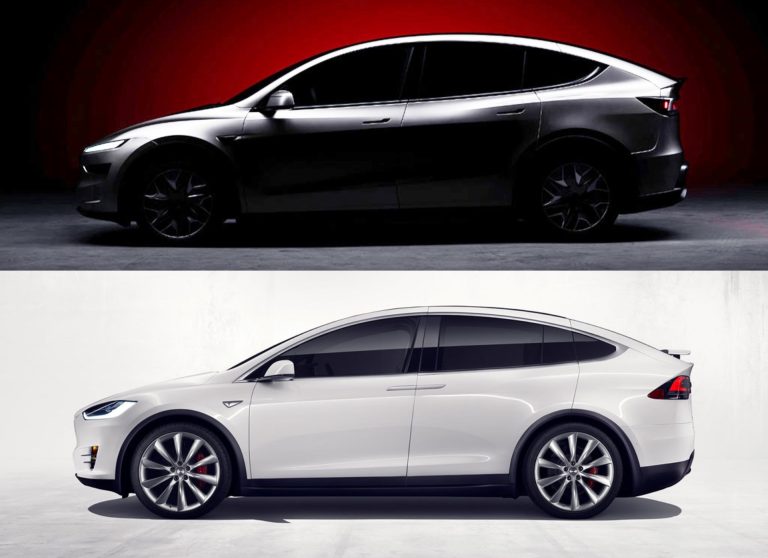
The Tesla Model X has long stood as a beacon of electric luxury, performance, and groundbreaking technology. With its distinctive Falcon Wing Doors, blistering acceleration, and spacious interior, it carved out a unique niche in the burgeoning electric SUV market. As we look towards the middle of the decade, anticipation is building around what a potential 2026 refresh or next-generation Model X might bring.
While Tesla operates on its own unique product cycle, often foregoing traditional "model years" in favor of continuous updates, the automotive industry generally anticipates significant refreshes or new generations every few years. Given the Model X’s last major interior and powertrain refresh occurred in early 2021, and its core design dates back to 2015, 2026 presents a plausible timeframe for Tesla to unveil substantial upgrades to keep its flagship SUV at the forefront of innovation.
This comprehensive article will delve into the speculative release date for a 2026 Tesla Model X, explore the potential innovations and features it might offer, and provide an ultimate buying guide for prospective owners, whether they’re considering the current model or patiently awaiting the next evolution.
The 2026 Tesla Model X Release Date: Speculation and Tesla’s Unique Timelines
It’s crucial to state upfront: Tesla has not officially announced a "2026 Model X" or any specific release date for a next-generation or significantly refreshed Model X. Unlike traditional automakers that adhere to strict annual model year updates, Tesla implements changes and improvements continuously throughout production. Major refreshes, however, do occur.
The original Model X debuted in 2015. Its most significant update, featuring a revamped interior, new powertrains (including the Plaid variant), and other enhancements, arrived in early 2021 for the 2021 model year. This refresh cycle suggests that by 2026, the Model X would be due for another significant overhaul.
Factors that could influence a 2026 Model X update:
- Technological Advancements: Tesla is constantly pushing the boundaries of battery technology (e.g., 4680 cells, structural battery packs), autonomous driving hardware (e.g., Hardware 4.0), and manufacturing processes (e.g., Gigacasting). By 2026, many of these technologies could be mature enough for broader deployment across the lineup.
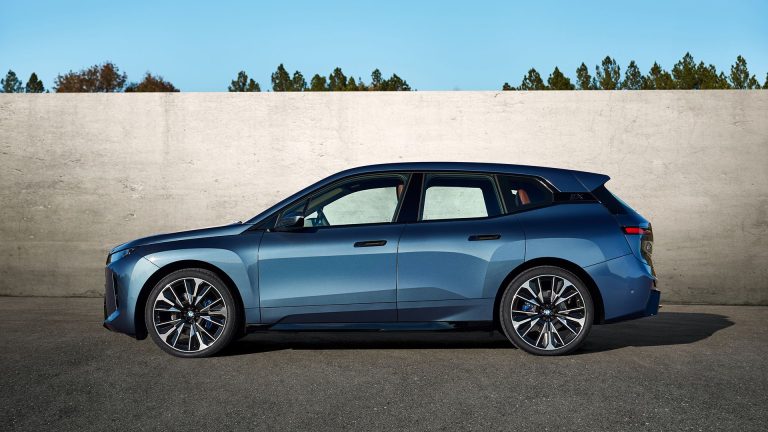
- Competitive Landscape: The electric luxury SUV segment is becoming increasingly crowded. Vehicles like the Lucid Gravity, Mercedes-Benz EQS SUV, BMW iX, Rivian R1S, and upcoming offerings from other premium brands will put pressure on Tesla to maintain its competitive edge. A substantial Model X update would be essential to stay ahead.
- Platform Modernization: While the Model S and X share a platform, elements could be updated to incorporate lessons learned from the Model 3/Y, Cybertruck, and Roadster programs.
- Market Demand & Production Efficiency: Tesla prioritizes streamlining production and reducing costs. A major update might coincide with new manufacturing efficiencies that allow for improved features at a more optimized price point.
Therefore, while no official confirmation exists, a significant Model X update or even a "next-generation" model around 2026 is a reasonable expectation based on industry trends, Tesla’s history, and the rapid pace of EV development. Prospective buyers should keep an eye on Tesla’s investor calls, product unveilings, and social media for any official hints or announcements.
Anticipated Innovations and Features for a Potential 2026 Model X
If a 2026 Model X refresh or new generation does materialize, it’s likely to incorporate a host of advancements across several key areas:
1. Performance and Range: Pushing Boundaries Further
- Next-Generation Batteries: Expect the adoption of Tesla’s 4680 battery cells, potentially integrated into a structural battery pack. This could lead to higher energy density, lower weight, and significantly improved range, possibly pushing well beyond 400 miles on a single charge for the Long Range variant.
- Enhanced Efficiency: Aerodynamic refinements, lighter materials, and more efficient powertrains will contribute to better energy consumption, further maximizing range and performance.
- Charging Speeds: Compatibility with future Supercharger V4 stalls, offering even faster charging rates to minimize downtime on long journeys.
2. Interior Design and Technology: A Refined Sanctuary
- Redesigned Cabin: While the current Model X interior is sleek, a 2026 version might see further evolution. This could include higher-quality sustainable materials, a more integrated ambient lighting system, and potentially more physical buttons for essential functions, addressing some common user feedback.
- Advanced Infotainment: An updated, even faster infotainment system, perhaps with a larger or reconfigured central display. Integration of more sophisticated augmented reality features for navigation and driver assistance.
- Hardware 4.0/5.0 for Autonomy: The next iteration of Tesla’s self-driving computer hardware would be standard, offering enhanced processing power for Full Self-Driving (FSD) capabilities, potentially with more cameras, higher resolution sensors, and even radar/Lidar integration if Tesla’s strategy evolves.
- Steering Yoke or Traditional Wheel: The debate over the yoke continues. Tesla might offer both options, or refine the yoke design for better usability, or revert to a traditional wheel as standard with the yoke as an option.
- Improved Rear Passenger Experience: Enhanced rear screens, more comfortable seating, and potentially more customizable climate zones for second and third-row passengers.
3. Exterior Styling: Subtle Evolution
- Refined Aerodynamics: Expect subtle tweaks to the front fascia, rear diffuser, and wheels to further optimize aerodynamic efficiency, contributing to range and quietness.
- Lighting Signatures: New headlight and taillight designs, potentially incorporating more advanced matrix LED technology for adaptive lighting functions.
- New Color Options: Tesla periodically introduces new paint colors; a refresh could bring a fresh palette.
- Falcon Wing Doors: These iconic doors are a Model X signature and are unlikely to disappear. However, improvements in their sensor technology, opening/closing speed, and reliability could be implemented.
4. Full Self-Driving (FSD) and Driver Assistance: Closer to Autonomy
- Advanced FSD Capabilities: With Hardware 4.0/5.0 and continuous software updates, the FSD Beta program would likely be significantly more capable, handling a wider array of driving scenarios with greater confidence and requiring less human intervention.
- Enhanced Safety Features: Improvements to active safety systems like automatic emergency braking, lane-keeping assist, and blind-spot monitoring.
- Over-the-Air (OTA) Updates: Continued reliance on OTA updates to continuously improve functionality, add new features, and enhance security throughout the vehicle’s lifespan.
5. Manufacturing Innovations: The Benefits of Scale
- Gigacasting: Leveraging Gigacasting technology, similar to the Cybertruck and Model Y, could lead to fewer parts, reduced weight, improved structural rigidity, and faster manufacturing, ultimately benefiting both quality and cost.
The Ultimate Buying Guide for a Tesla Model X (Current & Future)
Whether you’re eyeing the current Model X or patiently waiting for a potential 2026 update, this comprehensive guide will walk you through the key considerations for purchasing this iconic electric SUV.
1. Why Choose a Tesla Model X?
- Unrivaled Performance: Even the Long Range variant offers exhilarating acceleration, while the Plaid model redefines SUV performance.
- Cutting-Edge Technology: From its massive touchscreen to its advanced driver-assistance systems and over-the-air updates, the Model X is a tech marvel.
- Falcon Wing Doors: A unique design statement that offers unparalleled access to the rear seats (though with some practical considerations).
- Spacious and Versatile Interior: Available in 5, 6, or 7-seat configurations, offering flexibility for families and cargo.
- Extensive Charging Network: Access to Tesla’s industry-leading Supercharger network makes long-distance travel convenient.
- Safety: Tesla vehicles consistently earn top safety ratings.
2. Key Considerations Before Buying
A. Trim Levels (Current Model):
- Model X Long Range: Offers excellent range (currently 333 miles EPA est.) and impressive dual-motor AWD performance.
- Model X Plaid: The performance king, with ludicrous acceleration (0-60 mph in 2.5 seconds) and a slightly lower range (currently 326 miles EPA est.) due to its tri-motor setup.
(For a 2026 model, these trims might be renamed or refined, potentially with even greater differentiation in range and performance.)
B. Range and Performance:
- Assess Your Needs: How far do you typically drive? Do you frequently take long trips? The Model X offers ample range for most, but consider your specific use case.
- Performance vs. Practicality: The Plaid is thrilling but comes at a higher cost. The Long Range is more than powerful enough for daily driving and offers slightly more range.
C. Charging Infrastructure:
- Home Charging: This is paramount for EV ownership. Install a 240V (Level 2) charger for overnight charging. Tesla offers its Wall Connector, or you can use a third-party J1772 charger with an adapter.
- Supercharger Network: Familiarize yourself with Supercharger locations along your common routes. Tesla’s navigation system seamlessly integrates charging stops.
- Third-Party Chargers: Model X can also charge at non-Tesla Level 2 and DC fast chargers (CCS via an adapter, often sold separately).
D. Interior and Technology:
- Seating Configuration: Choose between 5, 6, or 7 seats based on your family size and cargo needs. The 6-seat configuration with captain’s chairs offers the most comfort for second-row passengers.
- Infotainment: The large 17-inch cinematic display is the hub for everything. Test its responsiveness and interface during a test drive.
- Connectivity: Premium connectivity (subscription required after an initial trial) provides live traffic, satellite maps, video streaming, and internet browsing.
- Audio System: Tesla’s premium audio system is generally well-regarded.
E. Safety Features:
- Standard Features: All Teslas come with a suite of active safety features, including automatic emergency braking, lane departure warning, and blind-spot monitoring.
- Crash Ratings: Tesla vehicles consistently achieve high safety ratings from NHTSA and IIHS.
F. Autopilot and Full Self-Driving (FSD) Capability:
- Basic Autopilot: Standard on all Teslas, includes Traffic-Aware Cruise Control and Autosteer. This is a robust highway driving assistant.
- Enhanced Autopilot (EAP): Often an upgrade, includes Navigate on Autopilot, Auto Lane Change, Autopark, and Summon.
- Full Self-Driving (FSD) Capability: The most advanced (and expensive) option. It includes all EAP features plus Traffic Light and Stop Sign Control, and Autosteer on city streets (FSD Beta). This is a continually evolving feature that still requires active driver supervision and is not yet fully autonomous. Understand its current capabilities and limitations before purchasing.
G. Falcon Wing Doors:
- Pros: Easy access to rear seats, unique aesthetic, excellent head clearance.
- Cons: Can be slow to open/close, require adequate side clearance (though they open upwards, they need some space to swing out slightly before rising), potential for sensor issues (though much improved over early models). Test them thoroughly during a demo.
H. Competition:
- Consider other electric luxury SUVs like the Lucid Gravity (upcoming), Mercedes-Benz EQS SUV, BMW iX, Audi Q8 e-tron, and Rivian R1S. Each offers a different blend of luxury, performance, and technology.
3. The Tesla Purchase Process
A. Ordering Online:
- Tesla’s purchasing process is primarily online. You configure your vehicle on their website, select options, and place an order with a deposit.
- You can also visit a Tesla showroom to see vehicles, ask questions, and configure your order with assistance.
B. Test Drive:
- Schedule a test drive at your nearest Tesla location. This is crucial to experience the performance, handling, interior, and Falcon Wing Doors firsthand.
C. Financing and Leasing:
- Tesla offers its own financing and leasing options directly through its website.
- You can also secure pre-approved financing from your bank or credit union.
- Compare rates and terms carefully.
D. Trade-in:
- Tesla offers trade-in evaluations for your current vehicle, which can be applied towards the purchase of your new Model X.
E. Delivery Day:
- Tesla will notify you when your vehicle is ready for delivery.
- Inspect the vehicle thoroughly for any imperfections before accepting delivery. Check panel gaps, paint quality, and ensure all features work.
F. After-Sales Service and Warranty:
- Warranty: Tesla offers a standard vehicle warranty and a separate battery and drive unit warranty (typically 8 years or 150,000 miles, whichever comes first, with minimum 70% battery retention).
- Service: Tesla operates a network of service centers and also offers mobile service for many common issues, where a technician comes to your location.
4. Anticipated Pricing for a 2026 Model X
The Model X is a premium luxury SUV, and its pricing reflects that. The current Long Range starts around the high $70,000s to low $80,000s, and the Plaid model pushes into the low $90,000s to $100,000s (prices fluctuate based on market conditions, incentives, and options).
A 2026 Model X, especially if it incorporates significant new technologies like 4680 cells, Hardware 4.0/5.0, and advanced materials, is likely to see a price increase. Expect a starting price potentially ranging from $85,000 to $100,000+ for the Long Range equivalent, and well over $110,000 for the Plaid equivalent, before options and destination fees. However, increased production efficiencies could also temper these increases.
Pros and Cons of Waiting for a 2026 Model X
Pros of Waiting:
- Latest Technology: Access to newer battery tech, faster charging, updated FSD hardware, and potentially a refreshed interior/exterior.
- Improved Performance/Range: Likely to offer better efficiency and longer driving range.
- Enhanced Features: Could include new convenience, safety, and infotainment features.
- Refined Design: Subtle aesthetic improvements and possibly higher quality materials.
- Increased Reliability: Later models often benefit from accumulated production refinements.
Cons of Waiting:
- Uncertainty: No guarantee of a 2026 release or specific features. Tesla’s timelines are fluid.
- Higher Price: New technology often comes with a higher price tag.
- Waiting Period: Could mean missing out on current incentives or simply driving your desired vehicle sooner.
- Depreciation: Your current vehicle will continue to depreciate while you wait.
- Rapid Obsolescence: Tesla’s continuous updates mean even a "new" 2026 model will likely see minor changes throughout its production run.
Conclusion: The Future is Electric and Exciting
The Tesla Model X remains a compelling choice for those seeking a high-performance, technologically advanced, and family-friendly electric SUV. While the "2026 Model X" is currently a speculative concept, the rapid pace of innovation within Tesla and the broader EV industry makes a significant update within that timeframe highly probable.
For those needing an electric luxury SUV now, the current Model X is an exceptional vehicle that continues to lead in many aspects. However, for the patient enthusiast who desires the absolute cutting edge of Tesla’s design, battery technology, and autonomous driving capabilities, waiting for a potential 2026 refresh could yield a truly revolutionary vehicle.
Stay tuned to official Tesla channels and reputable automotive news sources for the latest updates. The future of electric mobility is bright, and the next iteration of the Model X is undoubtedly a vehicle to watch.