The automotive world is buzzing with anticipation for the return of a beloved, game-changing electric vehicle. After a brief hiatus that left many EV enthusiasts longing, Chevrolet has confirmed the reintroduction of the Bolt, this time reimagined and revitalized on the groundbreaking Ultium platform. The 2026 Chevrolet Bolt EUV is poised to reclaim its throne as a leader in accessible, practical, and efficient electric transportation, promising a significant leap forward in range, charging capabilities, and overall refinement.
This comprehensive article will dive deep into everything we know and can expect from the 2026 Chevrolet Bolt EUV, from its projected release date to an exhaustive buying guide designed to equip prospective owners with all the knowledge needed to make an informed decision. Get ready to explore the future of affordable electric driving.
I. The Anticipated Return: Understanding the 2026 Chevrolet Bolt EUV
The original Chevrolet Bolt EV and its larger sibling, the Bolt EUV, carved out a crucial niche in the burgeoning electric vehicle market. They offered an unparalleled combination of usable range, practical dimensions, and an attractive price point, democratizing EV ownership for countless drivers. Their temporary discontinuation, driven by GM’s strategic pivot to the Ultium platform, left a void that the automotive industry is eager to see filled.
The 2026 model year signifies more than just a return; it marks a rebirth. By leveraging the advanced Ultium battery and motor architecture, the new Bolt EUV is expected to address previous limitations and elevate the ownership experience to new heights.
A. The Legacy and the Hiatus: Why the Bolt Matters
The first-generation Bolt was a pioneer. It was one of the first mass-market EVs to offer over 200 miles of range at a sub-$40,000 price point, forcing competitors to rethink their strategies. Its success proved that mainstream buyers were ready for electric vehicles, provided they met critical criteria for range and affordability. The "EUV" variant added a bit more SUV-like styling, increased rear legroom, and a slightly more robust presence, catering to those who desired a compact crossover feel.
The decision to pause Bolt production, while initially disappointing, was a strategic move by General Motors to streamline its EV portfolio around the modular Ultium platform. This platform is the backbone of GM’s electric future, designed to power everything from compact cars to heavy-duty trucks, offering scalability, greater efficiency, faster charging, and lower manufacturing costs in the long run. The return of the Bolt EUV on this platform signifies GM’s commitment to retaining its leadership in the affordable EV segment.
B. Why the 2026 Model Year? Projecting the Timeline
While Chevrolet has confirmed the Bolt’s return, specific timelines are often subject to change based on development cycles, supply chains, and market conditions. However, announcing it as a "2026 model year" vehicle provides a strong indication of the projected production and sales window.
Typically, a 2026 model year vehicle would begin production in late 2025, with sales commencing in late 2025 or early 2026. This allows for sufficient time for design finalization, prototyping, testing, regulatory approvals, and ramp-up of manufacturing facilities. Prospective buyers should keep an eye on official Chevrolet announcements throughout 2024 and 2025 for more concrete details regarding pre-order opportunities and firm delivery schedules.
C. Official Release Date: What We Know and What to Expect
As of now, a precise, day-and-date official release date for the 2026 Chevrolet Bolt EUV has not been announced. However, based on industry norms and GM’s prior statements, we can anticipate:
- Official Reveal: Expect a comprehensive reveal of the production-ready 2026 Bolt EUV, including full specifications, pricing, and trim levels, sometime in late 2024 or early to mid-2025. This event will likely be accompanied by detailed press releases, photos, and perhaps even early access to configurators.
- Pre-Order/Reservation Window: Following the official reveal, Chevrolet will likely open a pre-order or reservation system. This allows interested customers to secure their place in line with a refundable deposit. This could happen as early as mid-2025.
- Production Start: Manufacturing of the 2026 Bolt EUV is projected to begin in late 2025.
- Dealer Arrival/Customer Deliveries: The first units are expected to arrive at dealerships and be delivered to customers starting in late 2025 to early 2026.
Staying tuned to Chevrolet’s official news channels, automotive news outlets, and local dealership communications will be crucial for the most up-to-date information.
II. What to Expect from the 2026 Bolt EUV: Key Features & Specifications
The transition to the Ultium platform is not merely an internal change; it promises a transformation of the Bolt EUV’s capabilities and overall appeal.
A. Built on Ultium: The Game Changer
The Ultium platform is GM’s modular battery and motor architecture, designed for flexibility and scalability. For the 2026 Bolt EUV, this translates into several significant advantages:
- Improved Efficiency: Ultium batteries are known for their energy density and thermal management, leading to better overall efficiency and potentially longer range from a given battery size.
- Faster Charging: Ultium vehicles are designed for faster DC fast charging rates, significantly reducing stop times on long journeys. While the previous Bolt topped out around 55 kW, the new Bolt EUV could support 100 kW, 150 kW, or even higher, depending on the battery pack configuration.
- Scalability: The Ultium platform allows for various battery sizes and motor configurations, meaning Chevrolet could offer different range options or even an all-wheel-drive variant in the future, although the initial launch might focus on a single, compelling FWD configuration.
- Cost Reduction: The modularity and shared components across GM’s EV lineup are expected to drive down manufacturing costs, which is critical for maintaining the Bolt EUV’s competitive pricing.
B. Design Evolution: Modern Aesthetics & Enhanced Presence
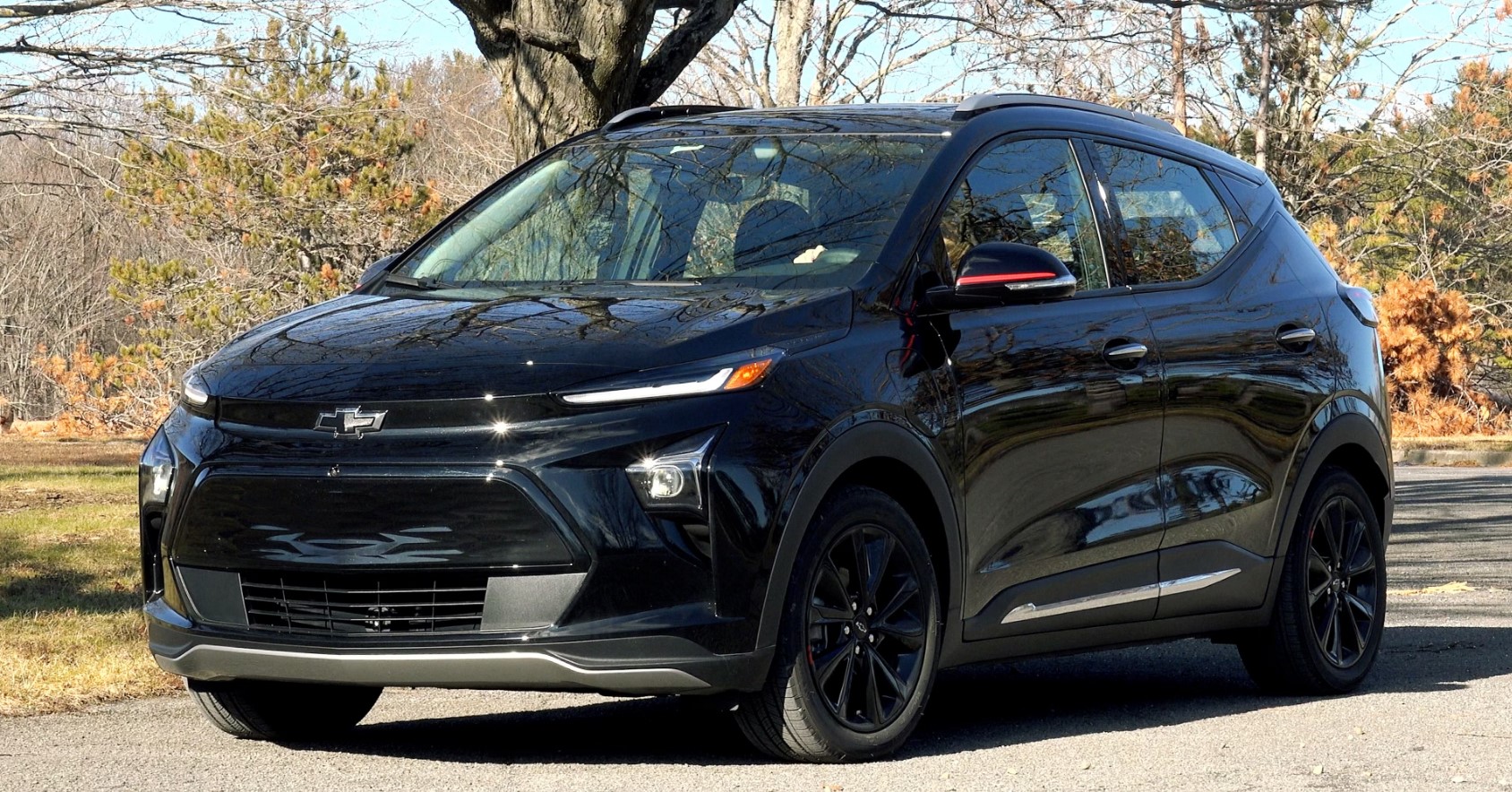
While retaining its practical EUV silhouette, the 2026 model is expected to sport a fresh, modern design language aligned with Chevrolet’s latest EV offerings like the Equinox EV and Blazer EV.
- Exterior: Anticipate a sleeker, more aerodynamic profile with updated lighting signatures (LED daytime running lights and taillights are a given). The front fascia will likely feature a more sculpted, grille-less design typical of modern EVs, potentially incorporating an illuminated Bowtie emblem. Expect fresh wheel designs and a slightly more assertive stance, perhaps with subtle design cues borrowed from its larger Ultium siblings.
- Interior: This is where the Ultium platform’s advantages truly shine. The interior of the previous Bolt, while functional, was often criticized for its reliance on hard plastics. The 2026 Bolt EUV is expected to feature a more premium, spacious, and technologically advanced cabin.
- Materials: Higher quality soft-touch materials, improved fit-and-finish, and perhaps sustainable material options.
- Space: The flat floor enabled by the Ultium skateboard platform will maximize interior volume, especially for rear passengers and cargo.
- Layout: A more minimalist and driver-centric cockpit is likely, with fewer physical buttons and greater reliance on digital interfaces.
C. Performance & Range: More Power, More Miles
The heart of any EV is its powertrain, and the 2026 Bolt EUV is poised for significant upgrades.
- Motor: While specific motor configurations are unknown, the Ultium platform supports powerful and efficient electric motors. We can expect responsive acceleration, characteristic of EVs, likely improving upon the previous model’s 200 hp. A single-motor, front-wheel-drive setup is probable for the base models, with a potential for a more powerful or even an all-wheel-drive option on higher trims.
- Battery & Range: This is arguably the most critical upgrade. With Ultium technology, the 2026 Bolt EUV is highly anticipated to offer a significantly increased driving range. While the previous model achieved an EPA-estimated 247 miles (EUV), the new Ultium-based variant could easily push into the 280 to 300+ mile range on a single charge, making it even more appealing for road trips and daily commutes without range anxiety.
- Charging: As mentioned, faster DC fast charging will be a major highlight. Expect the ability to add substantial range (e.g., 100 miles) in relatively short charging sessions (e.g., 10-15 minutes) at compatible public fast chargers. Standard Level 2 (240V) home charging will also be faster and more efficient.
D. Technology & Infotainment: Seamless Connectivity
Modern buyers demand cutting-edge technology, and the 2026 Bolt EUV will deliver.
- Infotainment System: A larger, more integrated touchscreen display running GM’s latest infotainment software, possibly built on Google Automotive Services, will be standard. This offers seamless integration of navigation, media, and vehicle controls.
- Digital Instrument Cluster: A fully digital, customizable instrument cluster will display vital driving information, range, and charging status clearly.
- Connectivity: Wireless Apple CarPlay and Android Auto will be standard, along with multiple USB ports, a wireless charging pad, and potentially 5G Wi-Fi hotspot capability.
- Advanced Driver-Assistance Systems (ADAS): A comprehensive suite of safety features will be standard, including Automatic Emergency Braking, Lane Keep Assist, Forward Collision Alert, and Adaptive Cruise Control. Crucially, given its Ultium platform, the 2026 Bolt EUV is a strong candidate to offer Super Cruise, GM’s acclaimed hands-free driving assistance system, on higher trim levels.
E. Comfort & Practicality: Everyday Usability
The EUV moniker emphasizes utility, and the new Bolt will continue this tradition.
- Seating: Comfortable seating for five adults, with improved ergonomics and potentially more supportive seats than the previous generation.
- Cargo Space: Expect generous cargo volume, especially with the rear seats folded down, making it highly practical for groceries, luggage, and recreational gear. Clever storage solutions throughout the cabin are also likely.
- Amenities: Features like heated and ventilated seats, a panoramic sunroof, and an upgraded audio system will likely be available on various trim levels.
III. The Comprehensive 2026 Bolt EUV Buying Guide
Purchasing an electric vehicle involves considerations beyond traditional gasoline cars. This detailed guide will walk you through every step of the process for the 2026 Chevrolet Bolt EUV.
A. Understanding Your Needs: The Foundation of Your Decision
Before diving into specifications and pricing, honestly assess your lifestyle and driving habits:
- Daily Commute: How many miles do you drive daily? The anticipated 280-300+ mile range of the 2026 Bolt EUV will comfortably cover most commutes, even with climate control usage.
- Charging Access:
- Home Charging: Do you have access to a garage or driveway where you can install a Level 2 (240V) charger? This is the most convenient and cost-effective way to charge an EV.
- Work Charging: Does your workplace offer EV charging?
- Public Charging: Are there reliable public charging stations (Level 2 and DC Fast Charging) along your regular routes or near your home?
- Budget: What is your absolute maximum budget for the vehicle purchase, including potential options, taxes, and fees? Remember to factor in potential federal and state incentives.
- Passenger & Cargo Needs: Do you regularly transport more than two people? How much cargo space do you typically need? The EUV’s crossover styling offers more utility than a compact sedan.
- Desired Features: List your must-have features (e.g., heated seats, Super Cruise, specific safety tech, panoramic roof).
B. Pricing & Trim Levels: Strategic Choices
While official pricing for the 2026 Bolt EUV is yet to be released, its core mission is affordability.
- Estimated Starting Price: Chevrolet will aim to keep the starting MSRP competitive, likely in the mid-to-high $20,000s before any incentives. This would position it as one of the most affordable new EVs on the market.
- Trim Levels: Expect a familiar trim structure, possibly including:
- LS/LT (Base/Mid-Range): Focus on essential features, good range, and core technology at an attractive price point.
- Premier/RS (Higher-End): Adds premium materials, larger wheels, advanced safety features, enhanced infotainment, and potentially Super Cruise.
- Options & Packages: Look for packages that bundle popular features like advanced safety, comfort upgrades, or design enhancements. Be mindful of how these additions impact the final price.
Tip: Start saving now. While the Bolt EUV aims for affordability, having a substantial down payment can reduce monthly costs.
C. Federal & State Incentives: Maximizing Your Savings
EV incentives can significantly reduce the effective purchase price. These are subject to change, so always verify current programs.
- Federal Tax Credit (IRC 30D):
- Amount: Up to $7,500 for eligible new clean vehicles.
- Eligibility: The 2026 Bolt EUV, built in North America on the Ultium platform, is highly likely to qualify for some or all of this credit. However, critical rules regarding battery component and critical mineral sourcing, as well as final assembly location, will determine the exact amount.
- Income Limits: There are income caps for individuals and households to qualify.
- MSRP Cap: There is a maximum MSRP for SUVs ($80,000) to qualify, which the Bolt EUV will easily be under.
- Transferability: As of 2024, the tax credit can be transferred to the dealer at the point of sale, allowing for an immediate discount instead of waiting for tax season. This is a game-changer for many buyers.
- Check IRS.gov: Always consult the official IRS website or a tax professional for the most current rules and eligibility.
- State & Local Incentives: Many states, cities, and even utility companies offer additional rebates, tax credits, or perks for EV buyers. These can include:
- Cash rebates at the time of purchase.
- Exemptions from sales tax or reduced vehicle registration fees.
- Access to HOV (High Occupancy Vehicle) lanes with a single occupant.
- Utility company rebates for home charger installation.
- Research: Use resources like the Department of Energy’s Alternative Fuels Data Center (AFDC) website to find incentives specific to your location.
D. Financing & Leasing: How to Pay
- Financing (Loan):
- Pros: You own the vehicle outright once paid off, can modify it, no mileage limits.
- Cons: Higher monthly payments, full responsibility for depreciation.
- Rates: Shop around for the best interest rates from banks, credit unions, and GM Financial. A pre-approved loan can give you stronger negotiating power at the dealership.
- Leasing:
- Pros: Lower monthly payments, drive a new car every few years, includes warranty coverage for the lease term, simplifies trade-in process.
- Cons: Mileage limits (excess fees if exceeded), no equity built, usually cannot modify the vehicle.
- Consider: If you like to drive a new car frequently and your mileage is predictable, leasing can be an attractive option for EVs, especially with rapidly evolving technology.
E. Pre-Order & Reservation Process: Securing Your Spot
Given the anticipation, the 2026 Bolt EUV might be in high demand, especially in its early production runs.
- Stay Informed: Monitor Chevrolet’s official channels and reputable automotive news sites for announcements regarding pre-orders.
- Dealer vs. Online: GM often uses a hybrid model. You might place an initial reservation online, which then gets fulfilled through a local dealership.
- Deposit: Be prepared to place a fully refundable deposit (typically $100-$500) to secure your place in the order queue.
- Configuration: Once the vehicle is officially revealed, you’ll likely be able to configure your desired trim, color, and options.
F. Test Drive & Inspection: The Hands-On Experience
This is a crucial step that you should never skip.
- Schedule: Once vehicles are available at dealerships (late 2025/early 2026), schedule a comprehensive test drive.
- Evaluate:
- Driving Dynamics: Assess acceleration, braking, steering feel, and ride comfort. How does it handle city driving vs. highway speeds?
- Interior Comfort: Are the seats comfortable? Is there enough head, leg, and shoulder room for all occupants? Can you easily reach controls?
- Technology: Test the infotainment system, connectivity features, and any ADAS.
- Visibility: Check blind spots and overall visibility from the driver’s seat.
- Cargo Space: Bring items you typically carry to ensure they fit.
- Pre-Delivery Inspection: Before finalizing the purchase, thoroughly inspect the vehicle for any cosmetic damage, ensure all features work, and verify that it matches your order.
G. Charging Infrastructure & Home Installation: Powering Your EV Life
Understanding charging is paramount for EV ownership.
- Level 1 (120V): The slowest, plugs into a standard wall outlet. Adds about 3-5 miles of range per hour. Useful for topping off but not ideal for daily primary charging.
- Level 2 (240V): The most common home charging solution. Requires installation of a dedicated 240V circuit (like for an electric dryer) by a certified electrician. Adds 25-35 miles of range per hour. Can fully charge the Bolt EUV overnight.
- Cost: Expect $500-$2,000 for the charger unit and installation, depending on your electrical panel and wiring complexity.
- Rebates: Check for utility company or state rebates on charger installation.
- DC Fast Charging (Level 3): Found at public charging stations (e.g., Electrify America, EVgo, ChargePoint DCFC). Provides the fastest charging speeds, often adding 100+ miles in 15-30 minutes. Essential for long road trips.
- Cost: More expensive per kWh than home charging, but still typically cheaper than gasoline.
- Apps: Download charging network apps to locate stations, check availability, and pay.
- Charging Etiquette: Be mindful of other EV drivers at public stations; don’t overstay your welcome once fully charged.
H. Ownership Costs: Beyond the Purchase Price
EVs generally have lower operating costs than gasoline vehicles.
- Fuel (Electricity): Electricity is almost always cheaper than gasoline on a per-mile basis, especially when charging at home during off-peak hours.
- Maintenance: EVs have fewer moving parts than ICE vehicles, meaning no oil changes, spark plug replacements, or complex transmission services. Primary maintenance involves tire rotations, cabin air filter replacements, brake inspections (regenerative braking reduces wear), and wiper blade replacements.
- Insurance: Insurance rates can vary. Some EVs might be slightly more expensive to insure due to higher initial purchase costs or specialized parts, but this is not always the case. Get multiple quotes.
- Resale Value: While predicting long-term resale for new EV models can be tricky, the Bolt’s return on Ultium should bolster its value. EVs generally hold their value well in the current market.
- Warranty: Chevrolet will offer a comprehensive warranty, including a separate, lengthy warranty for the battery pack and electric drivetrain components (typically 8 years/100,000 miles).
I. Comparing with Competitors: The EV Landscape
The 2026 Bolt EUV will face a growing field of competitors. Consider how it stacks up against:
- Hyundai Kona Electric: A direct competitor in terms of size, range, and price. Known for good efficiency and features.
- Kia Niro EV: Another strong Korean contender, offering similar practicality and range.
- Tesla Model 3/Y (Base Models): While generally more expensive, the base Model 3 or Model Y might be cross-shopped, especially after incentives. Tesla’s charging network is a major draw.
- Nissan Leaf: Often a more affordable option, but typically offers less range and slower charging than the Bolt.
- Upcoming Compact EVs: Keep an eye on new entrants from other manufacturers that might emerge by 2026.
The Bolt EUV’s unique selling proposition will likely remain its combination of competitive range, practical crossover form factor, cutting-edge Ultium technology, and an aggressive price point, backed by Chevrolet’s extensive dealership network.
IV. The Road Ahead: Why the 2026 Bolt EUV Matters
The return of the Chevrolet Bolt EUV is more than just another vehicle launch; it’s a statement. It reaffirms General Motors’ commitment to making electric vehicles accessible to a broader audience, demonstrating that cutting-edge EV technology doesn’t have to come with a premium price tag. By leveraging the scalable and efficient Ultium platform, the 2026 Bolt EUV is poised to offer a compelling blend of range, performance, and practicality that will undoubtedly accelerate the mainstream adoption of electric vehicles.
For consumers, this means more choice, better technology, and ultimately, a more sustainable and enjoyable driving experience. The new Bolt EUV is set to be a significant player in the ongoing electric revolution, promising a bright, electric future for everyday drivers.
V. Conclusion
The anticipation for the 2026 Chevrolet Bolt EUV is palpable, and for good reason. Its return on the Ultium platform signals a new era for affordable, long-range electric vehicles. With projected improvements in range, charging speed, interior quality, and technology, the next-generation Bolt EUV is set to build upon its legacy and deliver an even more compelling ownership experience.
While we await the official release date and final specifications, preparing now with a thorough understanding of your needs, the potential incentives, and the practicalities of EV ownership will put you in an excellent position to welcome this electrifying vehicle into your garage. The 2026 Chevrolet Bolt EUV is not just returning; it’s evolving, and it’s ready to redefine what an accessible electric crossover can be. Get ready to plug into the future.