The Ford Mustang, a name synonymous with American muscle, freedom, and an exhilarating driving experience, has captivated generations since its debut in 1964. As the automotive landscape rapidly evolves, the Mustang has consistently found ways to reinvent itself while staying true to its core identity. With the highly anticipated seventh generation (S650) having just launched for the 2024 model year, attention now turns to what the 2026 Ford Mustang will bring to the table.
While a revolutionary overhaul is unlikely so soon after a major generational refresh, the 2026 model year is expected to solidify the S650’s position, potentially introducing minor refinements, new special editions, and perhaps a clearer glimpse into the Mustang’s long-term electrified future. This comprehensive review will delve into what buyers can expect from the 2026 Ford Mustang, covering its design, interior technology, performance, safety features, and projected pricing, all within the context of its enduring legacy and future trajectory.
A Design That Commands Attention: Legacy Meets Modernity
The 2026 Ford Mustang is expected to carry forward the striking design language introduced with the S650 generation, a masterful blend of heritage cues and contemporary aggression. Ford’s designers walked a tightrope, evolving the Mustang’s silhouette without alienating its loyal fanbase. The result is a car that is unmistakably a Mustang, yet undeniably fresh.
Exterior Aesthetics:
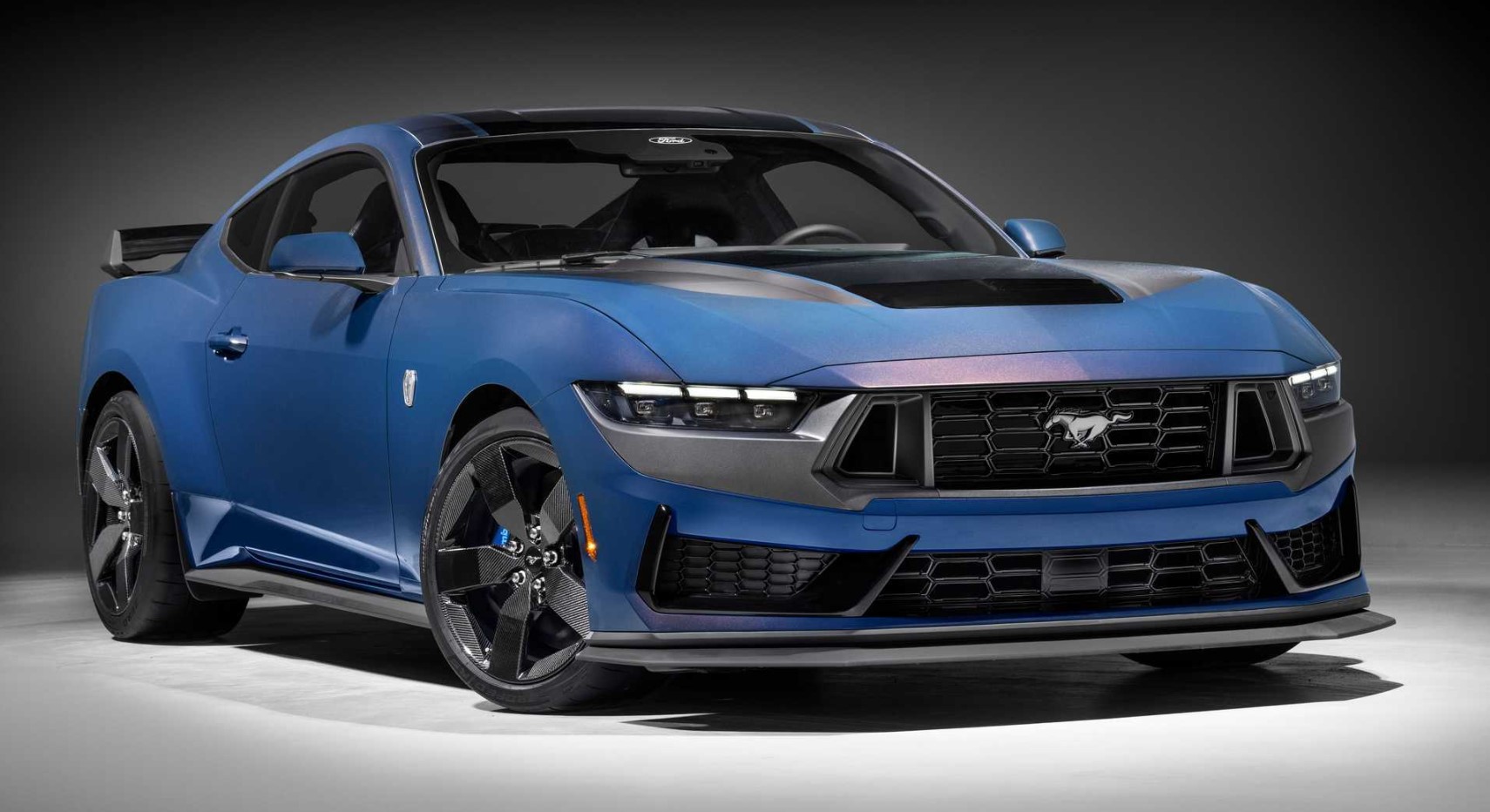
From the front, the 2026 Mustang will likely feature the sharper, more chiseled fascia of the S650, characterized by its prominent grille and the iconic tri-bar LED daytime running lights, which now give it a more menacing, focused stare. The hood retains its long, muscular contours, hinting at the power beneath. Body lines are crisp and athletic, emphasizing the car’s broad shoulders and low stance.
The side profile is classic Mustang: a sweeping fastback roofline (on Coupe models), a short rear deck, and pronounced rear haunches that signify its rear-wheel-drive prowess. Wheel designs will likely remain diverse, ranging from stylish alloys on the EcoBoost to more aggressive, performance-oriented options on the GT and Dark Horse trims. We might see a few new color palettes or special edition graphics introduced for 2026 to keep the lineup fresh.
At the rear, the signature tri-bar taillights are redesigned with a more modern, angular interpretation, complemented by a sculpted bumper and diffuser elements that vary by trim. Dual exhausts are standard, with quad tips gracing the more potent GT and Dark Horse models, emitting a sound that is as much a part of the Mustang experience as its looks. Convertible models will continue to offer the open-air driving experience, maintaining the same aggressive front and rear styling.
Differentiation Across Trims:
The 2026 Mustang will continue to offer distinct visual identities for its various trims. The entry-level EcoBoost models will present a sleek, sporty appearance. The GT will dial up the aggression with larger wheels, more pronounced aerodynamic elements, and the unmistakable V8 badging. The pinnacle of performance, the Dark Horse, will stand out with unique aero treatments, exclusive badging, bespoke wheel designs, and a more track-focused aesthetic, reinforcing its role as the ultimate factory-built track Mustang. These subtle yet significant differentiators ensure that each Mustang variant has its own personality while remaining part of the iconic family.
A Digital Cockpit: Interior & Technology Revolution
Perhaps the most significant leap forward for the S650 generation, and one that the 2026 Mustang will undoubtedly continue, is the complete overhaul of its interior. Ford has embraced the digital age, transforming the cockpit into a driver-centric command center dominated by expansive screens.
Driver-Focused Layout:
The interior of the 2026 Mustang will feature a dramatic, curved single pane housing two distinct displays: a 12.4-inch digital instrument cluster and a 13.2-inch central infotainment touchscreen. This seamless integration creates a modern, high-tech ambiance, replacing the more traditional dual-binnacle setup of previous generations.
The digital instrument cluster is highly customizable, allowing drivers to choose from various layouts, including a "Fox Body" retro theme, bringing a nostalgic touch to the modern display. The 13.2-inch infotainment screen, powered by Ford’s SYNC 4 system, is intuitive and responsive, offering crisp graphics and a wealth of features. Wireless Apple CarPlay and Android Auto are standard, along with FordPass Connect, which enables remote vehicle functions and Wi-Fi hotspot capabilities.
Enhanced Comfort and Materials:
While the focus is heavily on technology, comfort and material quality have also seen improvements. Expect refined surfaces, available accent stitching, and improved ergonomics. Sport seats with enhanced bolstering will be available, especially in GT and Dark Horse models, providing excellent support during spirited driving. The steering wheel design is modern and tactile, with well-placed controls.
Key Technology Features:
- SYNC 4 Infotainment: Intuitive interface, over-the-air updates, voice recognition.
- Wireless Smartphone Integration: Apple CarPlay and Android Auto for seamless connectivity.
- Bang & Olufsen Sound System: An optional premium audio experience for audiophiles.
- Track Apps: Performance metrics, acceleration timers, line-lock, and the groundbreaking "Drift Brake" (Performance Electronic Parking Brake) – a feature designed to assist with controlled drifts, adding an element of playful performance.
- Customizable Ambient Lighting: Allowing drivers to personalize the cabin’s mood.
For 2026, we might see minor software updates to SYNC 4, potentially new themes for the digital cluster, or slight material upgrades in certain trim levels to maintain its competitive edge. The overall experience, however, will remain centered around its immersive digital environment.
Powertrains & Performance: The Heart of the Beast (and its Future)
The 2026 Ford Mustang will continue to offer a compelling range of powertrains, catering to different performance desires, while also subtly hinting at the brand’s inevitable march towards electrification.
2.3L EcoBoost Turbocharged Inline-Four:
The base engine, the 2.3-liter EcoBoost, is far from a consolation prize. This enhanced four-cylinder engine is expected to carry over, delivering impressive power figures, likely in the range of 315 horsepower and 350 lb-ft of torque. Paired exclusively with Ford’s slick 10-speed automatic transmission, it offers a surprisingly potent and fuel-efficient package. For many, this engine provides more than enough performance for daily driving and spirited weekend cruises, making the Mustang accessible to a broader audience.
5.0L Coyote V8 (GT):
The beating heart of the Mustang GT, the legendary 5.0-liter "Coyote" V8, will undoubtedly remain a cornerstone of the 2026 lineup. With expected output figures around 480-486 horsepower and 415-418 lb-ft of torque, this naturally aspirated powerhouse delivers a visceral experience unmatched by forced-induction rivals. Crucially, the GT will continue to offer the choice between the sophisticated 10-speed automatic and a driver-engaging 6-speed manual transmission, a testament to Ford’s commitment to purist enthusiasts. The sound alone is worth the price of admission – a deep, guttural roar that few engines can replicate.
5.0L Coyote V8 (Dark Horse):
At the pinnacle of the internal combustion lineup sits the Mustang Dark Horse. Its specially tuned version of the 5.0L Coyote V8, expected to produce around 500 horsepower and 418 lb-ft of torque, is designed for track domination. This engine is coupled with a Tremec 6-speed manual transmission or the 10-speed automatic, both specifically calibrated for performance driving. The Dark Horse also benefits from enhanced cooling, a unique chassis setup, and aggressive aerodynamics, making it the most track-capable production Mustang yet.
The Hybrid Question & Future Electrification:
While the 2026 Mustang is largely expected to carry over these traditional powertrains, the broader automotive industry trend points towards hybridization. Rumors of a hybrid Mustang have circulated for years, and while it wasn’t part of the initial S650 launch, it remains a strong possibility for a mid-cycle refresh or a subsequent model year. A hybrid powertrain could boost both performance and fuel efficiency, offering a compelling bridge to an all-electric future. For 2026, any hybridization would likely be announced as an option rather than a standard offering.
Looking further ahead, Ford has made clear its commitment to electric vehicles. While the traditional Mustang coupe and convertible are expected to retain gasoline power for some time, the "Mustang" brand name has already expanded to include the all-electric Mach-E SUV. This indicates that while the internal combustion Mustang thrives, Ford is strategically positioning the brand for a fully electric future, ensuring the Mustang legacy continues in various forms. For the 2026 model, this conversation remains a backdrop, not a direct feature, but it shapes the long-term outlook.
Driving Dynamics: Precision, Power, and Playfulness
The 2026 Ford Mustang will inherit the refined chassis and suspension tuning of the S650 generation, promising an even more engaging driving experience than its predecessors. Ford engineers focused on improving agility, stability, and driver feedback.
Refined Chassis and Suspension:
The seventh-generation Mustang features a stiffer chassis and recalibrated suspension geometry, enhancing both ride comfort and handling prowess. Available MagneRide active damping technology, which adjusts suspension stiffness in real-time, will continue to be a highly recommended option. This system allows the Mustang to transition seamlessly from comfortable cruiser to track weapon, soaking up road imperfections while providing exceptional body control during aggressive cornering.
Steering and Braking:
The electric power-assisted steering (EPAS) system is expected to be further refined, offering improved feedback and precision. Drivers can customize steering feel through various drive modes. Braking performance will remain strong, with larger Brembo brakes available on GT and standard on Dark Horse models, ensuring confident stopping power commensurate with the car’s performance capabilities.
Drive Modes and Performance Features:
A suite of selectable drive modes (Normal, Sport, Slippery, Drag, Track, and customizable MyMode) will allow drivers to tailor the car’s performance characteristics – throttle response, steering effort, transmission shift points, and exhaust note – to their preferences and driving conditions. The aforementioned Performance Electronic Parking Brake (Drift Brake) further emphasizes the Mustang’s playful side, making controlled slides more accessible for enthusiasts on closed courses.
Safety & Driver-Assistance Features: Confidence on the Road
The 2026 Ford Mustang will come equipped with a comprehensive suite of safety and driver-assistance technologies, collectively known as Ford Co-Pilot360, enhancing both passive and active safety.
Standard Safety Features:
- Pre-Collision Assist with Automatic Emergency Braking (AEB): Helps prevent or mitigate frontal collisions.
- Lane-Keeping System: Helps keep the vehicle centered in its lane.
- Blind Spot Information System (BLIS) with Cross-Traffic Alert: Alerts the driver to vehicles in blind spots and approaching traffic when reversing.
- Auto High-Beam Headlamps: Automatically switches between high and low beams.
- Reverse Sensing System: Assists with parking maneuvers.
Available Advanced Features:
- Adaptive Cruise Control: Maintains a set distance from the vehicle ahead.
- Evasive Steering Assist: Provides additional steering support to help avoid a collision.
- Rear View Camera: Standard for improved visibility when backing up.
While the Mustang is a performance car, Ford understands the importance of providing a safe and confidence-inspiring driving experience, especially with modern traffic conditions. The 2026 model will continue to offer these advanced systems as standard or optional equipment, ensuring peace of mind for drivers and passengers.
Projected Pricing & Trims: Value for Performance
Given that the 2026 Mustang will likely be a carryover model with minor updates, we can anticipate a slight increase in pricing over the 2024 and 2025 models, reflecting inflation and any potential feature enhancements.
Anticipated Trim Levels:
- EcoBoost: The entry point, offering strong performance and efficiency.
- EcoBoost Premium: Adds more comfort and technology features.
- GT: The V8 powerhouse, with increased performance and styling cues.
- GT Premium: Combines V8 performance with luxury amenities.
- Dark Horse: The track-focused, ultimate performance variant.
Estimated Starting Prices (Speculative for 2026):
- EcoBoost Coupe: Starting around $33,000 – $35,000
- GT Coupe: Starting around $43,000 – $45,000
- Dark Horse Coupe: Starting around $60,000 – $63,000
- Convertible versions will command a premium of approximately $5,000 – $7,000 over their coupe counterparts.
These figures are estimates and will be subject to change closer to the 2026 model year announcement. Optional packages, such as the Performance Pack (which adds larger brakes, wider wheels, and MagneRide), premium audio systems, and unique interior/exterior styling elements, will allow buyers to customize their Mustang to their exact preferences, pushing the top-end Dark Horse models well into the $70,000 range.
The Competition: A Shifting Landscape
The competitive landscape for the 2026 Ford Mustang will continue to evolve. While traditional rivals like the Chevrolet Camaro are ending production (the 2024 model year is its last), and the Dodge Challenger/Charger are transitioning to electric power, the Mustang stands firm as the last remaining V8-powered, rear-wheel-drive American pony car.
However, it still faces competition from other performance-oriented vehicles:
- Toyota Supra: A nimble, turbocharged sports coupe.
- Nissan Z: Another iconic nameplate, offering a twin-turbo V6.
- BMW M2: A European challenger with German engineering and performance.
- Upcoming Electric Muscle Cars: While not direct competitors for the 2026 ICE Mustang, the future electric vehicles from Dodge (Charger Daytona) and potentially Chevrolet will redefine the segment in the years to come.
The Mustang’s unique blend of heritage, V8 power, customizable digital interior, and attainable pricing will ensure it remains a formidable and appealing choice in a shrinking but passionate segment.
Conclusion: The Legend Continues
The 2026 Ford Mustang, while not expected to be a radical departure from the recently launched seventh generation, will represent a crucial continuation of an automotive legend. It will solidify the S650’s position, offering a compelling package of aggressive styling, a cutting-edge digital interior, and a range of potent powertrains from the efficient EcoBoost to the exhilarating Coyote V8 in GT and Dark Horse guises.
As the automotive world races towards electrification, the 2026 Mustang serves as a powerful reminder of the thrill of internal combustion, simultaneously embracing modern technology and driver-focused innovation. It’s a testament to Ford’s commitment to keeping the spirit of the original alive while adapting to the demands of the future. For enthusiasts and casual drivers alike, the 2026 Ford Mustang promises to deliver an unparalleled blend of performance, style, and American automotive heritage, ensuring its iconic roar echoes for years to come.