The electric vehicle (EV) market is a battlefield of innovation, affordability, and shifting consumer preferences. As we look towards 2026, the landscape is set to become even more competitive, with established players and ambitious newcomers vying for a slice of the rapidly expanding pie. At the heart of this intense competition sits the Hyundai Ioniq 5, a vehicle that has already carved out a significant reputation for its distinctive design, advanced technology, and compelling overall package.
But as the market matures, the question for many potential buyers isn’t just "Which EV is good?" but "Which EV offers the best electric vehicle for the money?" This article will delve into the anticipated 2026 Hyundai Ioniq 5, exploring its expected upgrades and comparing it rigorously against its key rivals to determine if it can indeed hold its crown as the value champion in a crowded segment.
The Anticipated 2026 Hyundai Ioniq 5: Evolution of a Game-Changer
The Hyundai Ioniq 5 burst onto the scene with a refreshing retro-futuristic design and an 800-volt architecture previously found only in much more expensive EVs. For 2026, we anticipate a mid-cycle refresh that will build upon its strengths, likely incorporating lessons learned from early models and responding to emerging market trends. While specific details are still speculative, based on industry patterns and Hyundai’s trajectory, here’s what we can reasonably expect:
- Subtle Design Refinements: Expect minor tweaks to the exterior, perhaps revised bumper designs, new wheel options, and updated lighting signatures to keep it fresh without abandoning its iconic Parametric Pixel identity.
- Enhanced Battery Technology & Range: Battery density is constantly improving. The 2026 Ioniq 5 is highly likely to offer increased range across its trims. We could see the standard range push past 250 miles and the long-range variant potentially exceeding 330-350 miles on a single charge, making it even more appealing for long-distance travel.
- Faster Charging Capabilities: While the 800-volt system already delivers blistering charging speeds, continuous software and hardware optimizations could further reduce DC fast-charging times, allowing for even quicker top-ups on compatible chargers.
- Upgraded Infotainment and Connectivity: Hyundai’s infotainment system is already intuitive, but expect larger, higher-resolution screens, potentially more seamless integration with digital services, and advanced over-the-air (OTA) update capabilities. Enhanced voice control and augmented reality features might also be on the cards.
- Advanced Driver-Assistance Systems (ADAS): Hyundai SmartSense is already comprehensive. For 2026, expect further refinements to features like Highway Driving Assist (HDA), improved automatic lane changing, enhanced parking assist, and potentially new sensor technologies for even greater safety and convenience.
- Interior Material Upgrades: To maintain its premium feel against increasingly luxurious competitors, Hyundai might introduce new sustainable materials, improved ergonomics, and possibly new color schemes to the interior.
- Potential Performance Boost: While not a performance-focused EV, a slight bump in power for both single-motor RWD and dual-motor AWD variants wouldn’t be surprising, offering quicker acceleration and a more dynamic driving experience.
- Competitive Pricing: Crucially, Hyundai has consistently aimed for strong value. Despite upgrades, the Ioniq 5’s pricing structure is expected to remain highly competitive, positioning it as a compelling option in its segment.
These anticipated improvements are critical as we evaluate its "value for money" proposition against a host of formidable rivals.
Defining "Value for Money" in the EV Space
Before diving into comparisons, it’s essential to define what "best electric vehicle for the money" truly means. It’s not just the cheapest EV, nor is it the most luxurious. Instead, it’s a holistic assessment that considers:
- Purchase Price & Incentives: The sticker price, factoring in federal, state, and local tax credits or rebates.
- Range & Charging Speed: How far it goes on a charge and how quickly it recharges – directly impacting convenience and anxiety.
- Performance & Driving Dynamics: Acceleration, handling, ride comfort, and overall driving enjoyment.
- Interior Comfort & Technology: Cabin space, material quality, infotainment system, connectivity, and convenience features (e.g., V2L).
- Safety Features: The comprehensiveness and effectiveness of its active and passive safety systems.
- Reliability & Warranty: Long-term dependability and manufacturer support.
- Resale Value: How well the vehicle holds its value over time.
- Ownership Costs: Insurance, maintenance, and electricity costs.
A true "value" champion excels across most, if not all, of these categories, offering a balanced package that punches above its price point.
The Contenders: Key Competitors of the 2026 Hyundai Ioniq 5
The compact/mid-size electric SUV segment is a hotbed of innovation. Here are the primary rivals the 2026 Hyundai Ioniq 5 will be battling:
- Kia EV6: The Ioniq 5’s platform-mate, offering a sportier design, slightly different interior philosophy, and similar core technology.
- Tesla Model Y: The segment’s sales leader, known for its efficiency, vast Supercharger network, minimalist interior, and strong performance.
- Ford Mustang Mach-E: A stylish and engaging EV, leveraging the iconic Mustang nameplate with strong performance and a unique American flavor.
- Volkswagen ID.4: A practical, spacious, and comfortable option, aiming for mass-market appeal with a focus on usability and European driving dynamics.
- Nissan Ariya: A sleek, comfortable, and technologically advanced EV offering a different take on interior design and a smooth ride.
- Chevrolet Equinox EV (and potentially Blazer EV): Poised to be a significant disruptor, especially the Equinox EV, which aims for an incredibly aggressive starting price, potentially redefining the "value" segment.
Head-to-Head Comparison: 2026 Ioniq 5 vs. The Rivals
Let’s break down how the anticipated 2026 Ioniq 5 might stack up against these formidable competitors across our key "value for money" metrics.
1. Design & Aesthetics
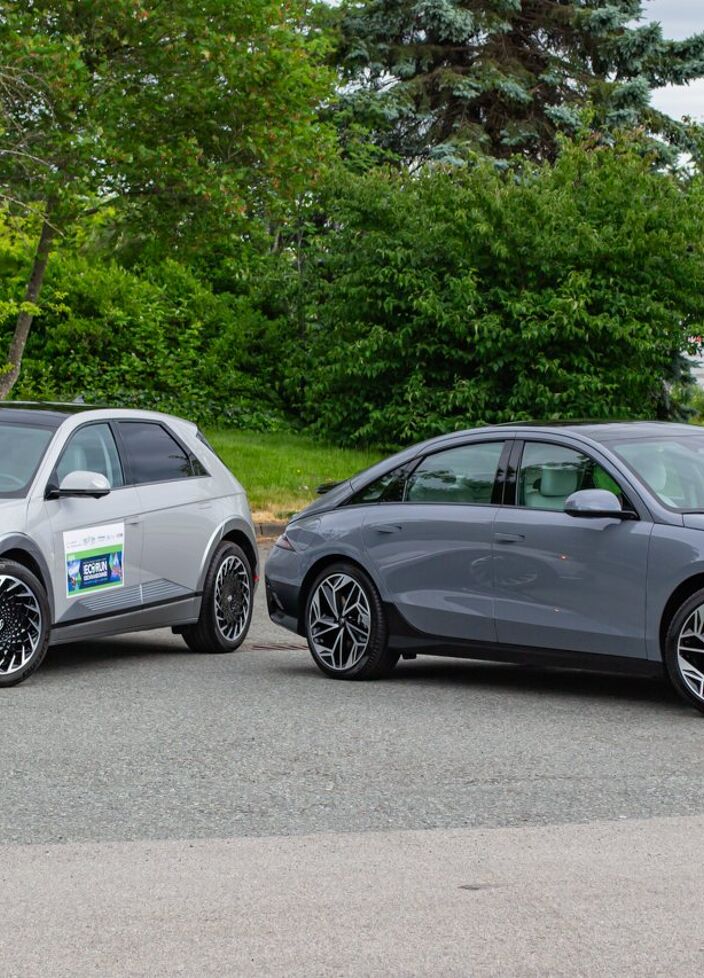
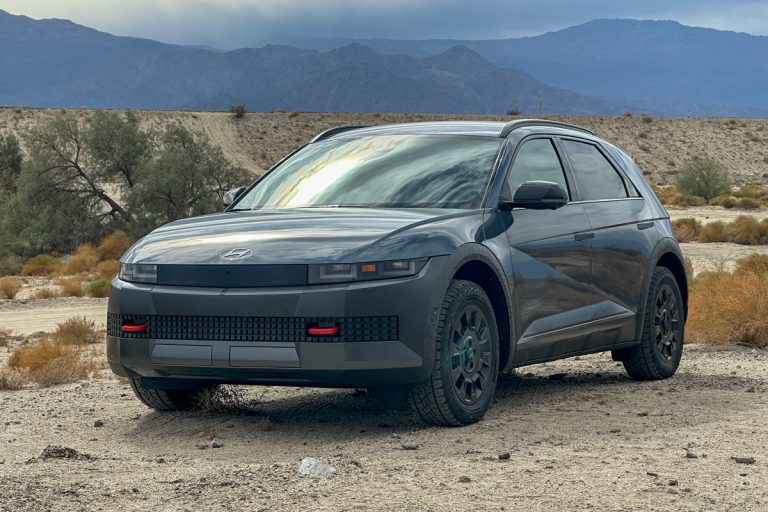
- 2026 Ioniq 5: Continues its unique retro-futuristic appeal with Parametric Pixels. It’s a design that polarizes but largely captivates, standing out distinctly in a sea of increasingly similar SUVs. Its spacious, airy cabin is a major draw.
- Kia EV6: More aggressive, sportier, and coupe-like. While sharing a platform, it aims for a different audience with its sleeker lines and driver-focused interior.
- Tesla Model Y: Minimalist, utilitarian design, prioritizing aerodynamics and interior space. It’s functional but lacks the visual flair of the Ioniq 5 or EV6.
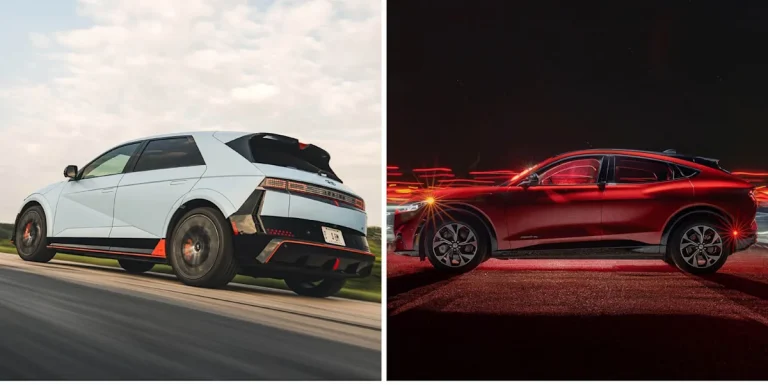
- Ford Mustang Mach-E: Successfully blends Mustang heritage with SUV practicality. It’s sporty, well-proportioned, and instantly recognizable.
- VW ID.4: More conventional, understated, and friendly. It aims for broad appeal rather than bold statements.
- Nissan Ariya: Elegant, sophisticated, and distinctly Japanese in its modern aesthetic, both inside and out.
- Chevy Equinox EV: Expected to offer a modern, appealing SUV design that is practical and visually competitive, especially at its anticipated price point.
Verdict: The Ioniq 5’s design is arguably its strongest differentiator, offering a unique blend of style and spaciousness that few rivals can match. It’s a major part of its intrinsic value.
2. Performance & Driving Dynamics
- 2026 Ioniq 5: Expected to offer a balanced driving experience. RWD models for smooth cruising, AWD for impressive acceleration (likely 0-60 mph in sub-5 seconds for top trims) and confident handling. Its comfortable ride is a highlight.
- Kia EV6: Generally considered sportier than the Ioniq 5, especially the GT-Line and upcoming GT variants. Tighter suspension and more direct steering appeal to enthusiasts.
- Tesla Model Y: Known for instant torque and rapid acceleration (especially Performance trim, sub-4 seconds 0-60 mph). Its handling is competent, though the ride can be firm.
- Ford Mustang Mach-E: Delivers on its Mustang heritage with engaging driving dynamics, good body control, and strong acceleration, particularly in GT trims.
- VW ID.4: Prioritizes comfort and ease of use. Its performance is adequate, but it’s not designed for spirited driving.
- Nissan Ariya: Focuses on refinement and comfort. Its e-4ORCE AWD system offers precise control but prioritizes smoothness over raw sportiness.
- Chevy Equinox EV: Likely to offer competent, family-friendly performance and ride quality, prioritizing efficiency and comfort given its value-oriented positioning.
Verdict: The Ioniq 5 offers a compelling balance of comfort and spirited performance. The EV6 and Mach-E might offer a slightly more engaging drive, while the Model Y boasts raw speed. The Ioniq 5’s strength here is its well-rounded nature.
3. Range & Charging Infrastructure
- 2026 Ioniq 5: Anticipated to offer class-leading range (330-350+ miles) and maintain its ultra-fast 800V charging capability, allowing 10-80% charges in potentially under 15-18 minutes at peak rates. Its V2L (Vehicle-to-Load) function is a unique value add.
- Kia EV6: Shares the Ioniq 5’s 800V architecture and similar battery tech, so comparable range and charging speeds are expected.
- Tesla Model Y: Excellent efficiency translates to strong real-world range (300+ miles). Its primary advantage remains the vast, reliable, and integrated Supercharger network, though other EVs are increasingly gaining access.
- Ford Mustang Mach-E: Offers competitive range (250-310 miles depending on battery/drivetrain) but standard 400V architecture means slower DC fast charging than Ioniq 5/EV6.
- VW ID.4: Decent range (250-275 miles) and 400V charging, which is slower than 800V but still practical for most users.
- Nissan Ariya: Competitive range (280-300+ miles) but 400V architecture and typically slower peak charging rates than the Ioniq 5.
- Chevy Equinox EV: Expected to offer a respectable range (likely 250-300+ miles for longer-range variants) and 400V charging, but its value proposition is strong given the expected price.
Verdict: The Ioniq 5, alongside the EV6, leads the pack in charging speed thanks to its 800V system, a significant value advantage for those who frequently road trip or rely on public DC fast chargers. Its anticipated range increase will solidify its position. Tesla’s Supercharger network remains a unique draw, but the Ioniq 5’s sheer charging speed is hard to beat. The V2L feature is also a fantastic value add.
4. Interior Comfort & Technology
- 2026 Ioniq 5: Expect a minimalist yet highly functional and spacious cabin. The sliding center console, flat floor, and lounge-like front seats create an airy, versatile space. Upgraded infotainment, excellent ADAS, and the V2L port make it a tech hub.
- Kia EV6: More driver-focused cockpit, still high-tech but with a slightly less open feel than the Ioniq 5. Good materials and features.
- Tesla Model Y: Ultra-minimalist interior dominated by a single large screen. While functional, some find it sparse. Excellent software and connectivity.
- Ford Mustang Mach-E: Modern interior with a large vertical touchscreen. Good materials, comfortable seats, but less expansive than the Ioniq 5.
- VW ID.4: Practical and ergonomic interior, prioritizing ease of use. Quality materials, good space, though infotainment can be divisive.
- Nissan Ariya: Offers a serene, lounge-like interior with unique design elements, haptic controls, and a focus on comfort and high-tech ambiance.
- Chevy Equinox EV: Expected to have a practical, modern, and user-friendly interior with a strong emphasis on digital screens and connectivity, aiming for good value in its class.
Verdict: The Ioniq 5 excels in interior space, versatility, and the unique V2L function, offering a truly distinctive and user-friendly experience. Its blend of physical buttons and digital controls strikes a good balance for many.
5. Price, Incentives, & Ownership Costs
- 2026 Ioniq 5: Anticipated to maintain a highly competitive starting price, likely in the mid-$40,000s for the base model, climbing into the low $60,000s for top-tier AWD. Its eligibility for federal tax credits (if manufactured in North America) and potential state incentives will significantly boost its value proposition.
- Kia EV6: Priced similarly to the Ioniq 5, offering comparable value.
- Tesla Model Y: Typically starts higher than the Ioniq 5/EV6, with Performance models significantly more expensive. While sometimes eligible for incentives, its higher starting price can be a barrier for value-focused buyers.
- Ford Mustang Mach-E: Competitive pricing, often in line with the Ioniq 5, but higher-end trims can get pricey.
- VW ID.4: Often positioned as a slightly more affordable option, especially for base models, making it a strong value contender.
- Nissan Ariya: Priced competitively, often aligning with the Ioniq 5 and Mach-E.
- Chevy Equinox EV: This is the wildcard. With an announced starting price around $30,000 (for the base model), it could redefine "value for money" for a segment below the Ioniq 5, although its range and features might not directly compare to the Ioniq 5’s top trims.
Verdict: The Ioniq 5’s strong anticipated eligibility for incentives, combined with its comprehensive feature set, positions it as an exceptional value. While the Equinox EV aims for a lower price point, the Ioniq 5 offers a superior blend of premium features, performance, and charging tech for its segment.
6. Reliability & Resale Value
- 2026 Ioniq 5: Hyundai’s 10-year/100,000-mile battery and powertrain warranty is industry-leading, providing excellent peace of mind. Resale values for EVs are still evolving, but the Ioniq 5 has shown strong retention.
- Kia EV6: Shares Hyundai’s excellent warranty.
- Tesla Model Y: Tesla’s reliability has been a mixed bag, but strong demand typically leads to high resale values.
- Ford Mustang Mach-E: Ford’s warranty is standard, and resale values are holding up well.
- VW ID.4: Volkswagen’s general reliability is good, and its warranty is competitive.
- Nissan Ariya: Nissan has a good reputation for reliability, and the Ariya should follow suit.
Verdict: Hyundai/Kia’s warranty coverage is a significant value add, particularly for battery components. While Tesla often boasts high resale, the Ioniq 5’s anticipated reliability and comprehensive warranty make it a safe long-term investment.
The Final Verdict: Is the 2026 Hyundai Ioniq 5 the Best Electric Vehicle for the Money?
Considering the anticipated upgrades for the 2026 model year, the Hyundai Ioniq 5 presents an incredibly strong argument for being the best electric vehicle for the money for a broad range of buyers.
Here’s why:
- Unmatched Charging Speed: The 800V architecture remains a significant differentiator, offering charging speeds that few competitors can match, especially at its price point. This saves time and reduces range anxiety.
- Distinctive Design & Spacious Interior: Its unique aesthetic and exceptionally versatile, lounge-like cabin offer a level of comfort and utility that stands out. The V2L feature is a practical bonus.
- Balanced Performance & Comfort: It delivers engaging performance when needed, combined with a comfortable ride, making it suitable for both daily commuting and longer journeys.
- Comprehensive Technology & Safety: The Ioniq 5 comes loaded with advanced driver-assistance systems and intuitive infotainment, enhancing both safety and convenience.
- Strong Value Proposition: With anticipated eligibility for federal tax credits, competitive pricing, and an industry-leading warranty, the Ioniq 5 offers a premium EV experience without a premium price tag.
While the Tesla Model Y offers superior efficiency and Supercharger access, its higher price and minimalist interior might not appeal to everyone seeking value. The Kia EV6 is a fantastic alternative for those preferring a sportier design, but the Ioniq 5’s unique interior often wins out on versatility. The Ford Mustang Mach-E is engaging, but its charging speed is a disadvantage. The VW ID.4 and Nissan Ariya are strong contenders for practicality and comfort, respectively, but the Ioniq 5 often edges them out on overall tech and charging prowess. The Chevy Equinox EV will be a compelling value challenger at a lower price point, but likely won’t offer the same level of performance, luxury, or advanced charging tech as the Ioniq 5.
In conclusion, for buyers seeking a stylish, technologically advanced, incredibly fast-charging, spacious, and well-rounded electric vehicle that punches significantly above its weight class, the 2026 Hyundai Ioniq 5 is poised to be an undisputed champion for value. It consistently delivers a premium experience across crucial metrics, making it an intelligent and highly satisfying investment in the electric future. While individual preferences always play a role, the Ioniq 5’s anticipated blend of innovation, design, and practicality makes it exceptionally difficult to beat in the "best EV for the money" category.