The electric vehicle (EV) market is a rapidly evolving landscape, characterized by relentless innovation, fierce competition, and a constant redefinition of value. In this dynamic environment, the Hyundai Ioniq 5 burst onto the scene, quickly establishing itself as a benchmark for design, technology, and compelling value. As we look ahead to the anticipated 2026 model year, the question isn’t just whether the Ioniq 5 remains a strong contender, but whether it can continue to wear the crown as the best electric vehicle for the money amidst an increasingly crowded and sophisticated field of rivals.
This article delves deep into what the 2026 Hyundai Ioniq 5 is expected to offer, how it stacks up against its most significant competitors, and ultimately, whether its blend of features, performance, and price point will still represent the ultimate EV value proposition.
The 2026 Hyundai Ioniq 5: Evolving an Icon
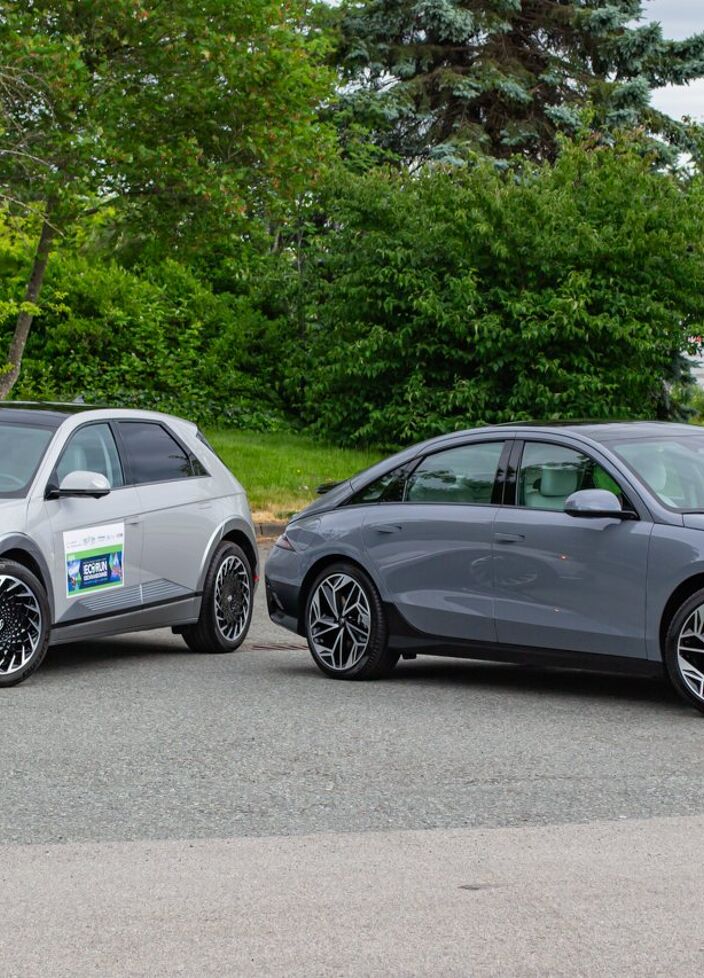
When the Hyundai Ioniq 5 first launched, it immediately captivated consumers and critics alike with its retro-futuristic design, spacious and minimalist interior, and groundbreaking 800V ultra-fast charging architecture. Built on Hyundai’s dedicated Electric Global Modular Platform (E-GMP), it set new standards for charging speed and interior packaging.
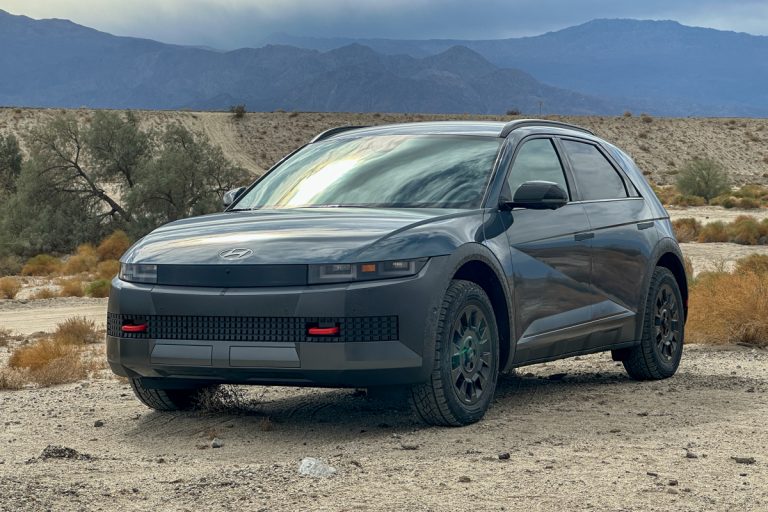
For the 2026 model year, while specifics are still speculative, we can anticipate a refreshed and refined Ioniq 5, building on its already strong foundation. Expect subtle but impactful exterior design tweaks, potentially including updated lighting signatures, revised bumpers, and new wheel designs to keep its distinctive look fresh.
More significantly, the 2026 Ioniq 5 is likely to feature enhanced battery technology, potentially offering increased range and even faster charging capabilities. Software updates will undoubtedly bring a more polished infotainment experience, improved voice controls, and perhaps new connected services. Advanced Driver-Assistance Systems (ADAS) will likely see upgrades, with more sophisticated highway driving assist features and improved sensor arrays. We might also see improvements in motor efficiency, potentially boosting performance or further extending range.
Key Strengths of the Ioniq 5 (expected to carry over and improve):
- 800V Architecture: This remains a cornerstone, allowing for incredibly rapid charging times (10-80% in under 20 minutes with compatible chargers). This significantly reduces range anxiety and improves the overall EV ownership experience.
- V2L (Vehicle-to-Load) Functionality: The ability to power external appliances directly from the car is a massive convenience, transforming the Ioniq 5 into a mobile power bank for camping, tailgating, or even home backup during outages.
- Distinctive Design: Its unique Parametric Pixel lighting and sharp lines ensure it stands out in a sea of increasingly similar SUVs.
- Spacious and Versatile Interior: The flat floor enabled by the E-GMP platform creates an airy cabin with a movable center console, offering exceptional flexibility and comfort.
- Balanced Performance: Available in both rear-wheel drive (RWD) and all-wheel drive (AWD) configurations, the Ioniq 5 offers brisk acceleration and a comfortable, composed ride.
- Comprehensive Warranty: Hyundai’s industry-leading warranty continues to be a major draw, offering peace of mind for long-term ownership.
Defining "Best Electric Vehicle for the Money"
Before we dive into the competitors, it’s crucial to establish what "best electric vehicle for the money" truly means. It’s not just about the lowest sticker price; it’s a holistic assessment of several key factors:
- Purchase Price & Incentives: The initial cost, factoring in federal, state, and local EV incentives.
- Range & Efficiency: How far it can travel on a single charge and how efficiently it uses energy. Longer range often reduces anxiety, but efficiency impacts running costs.
- Charging Speed & Infrastructure: The speed at which the battery can be replenished and access to reliable charging networks. This is a massive factor for daily usability.
- Features & Technology: The breadth and quality of infotainment, safety systems, convenience features, and advanced driver aids offered for the price.
- Performance & Driving Dynamics: Acceleration, handling, ride comfort, and overall driving enjoyment.
- Interior Quality & Space: The materials, design, ergonomics, and practicality of the cabin, including cargo capacity.
- Total Cost of Ownership (TCO): Beyond the purchase price, this includes insurance, maintenance, tire wear, and depreciation. Hyundai’s excellent warranty can significantly impact TCO.
- Reliability & Warranty: The manufacturer’s reputation for dependability and the coverage provided for the vehicle and its battery.
- Resale Value: How well the vehicle retains its value over time.
- Brand Reputation & Dealer Experience: The overall perception of the brand and the quality of sales and service support.
The "best" car for one person might not be for another, but by analyzing these criteria, we can identify which vehicle offers the most compelling package for the majority of buyers seeking maximum value.
The Contenders: A Deep Dive into Key Rivals
The 2026 Ioniq 5 will face a formidable lineup of competitors, each vying for a share of the burgeoning EV market. Here are some of the most significant players:
1. Tesla Model Y
The undisputed sales leader in many markets, the Tesla Model Y offers impressive performance, a vast Supercharger network, and cutting-edge software. By 2026, it might have seen further refinements, perhaps even a "Juniper" refresh, enhancing its already strong package.
- Strengths: Blistering acceleration (especially Performance variant), extensive and reliable Supercharger network, minimalist interior design, large central touchscreen, over-the-air (OTA) updates, strong brand recognition.
- Weaknesses: Polarizing design (inside and out), ride comfort can be stiff, reliance on touchscreen for almost all controls, perceived build quality issues in some earlier models, potentially higher insurance costs.
- Value Proposition: Tesla’s value comes from its performance, tech-forward approach, and the unparalleled charging ecosystem. However, its premium pricing can sometimes make it less "for the money" compared to others, especially for buyers not prioritizing raw acceleration.
2. Kia EV6
The Ioniq 5’s platform sibling, the Kia EV6, offers a sportier design, slightly different driving dynamics, and a more driver-focused interior. It shares the same E-GMP platform and 800V charging capabilities.
- Strengths: Identical ultra-fast charging, sportier exterior styling, engaging driving experience, high-quality interior materials, strong warranty.
- Weaknesses: Slightly less passenger volume than Ioniq 5 due to its sleeker profile, potentially firmer ride, infotainment system might be less intuitive for some than Hyundai’s.
- Value Proposition: Very similar to the Ioniq 5, the EV6 offers nearly identical core technology and efficiency. Its value is contingent on personal design preference and whether one prefers its sportier stance over the Ioniq 5’s more relaxed, spacious feel. Pricing is usually very competitive with the Ioniq 5.
3. Ford Mustang Mach-E
Ford’s entry into the electric SUV segment, the Mustang Mach-E, leverages an iconic nameplate with a modern twist. It offers strong performance and a distinctive, tech-laden interior.
- Strengths: Stylish exterior with Mustang design cues, engaging driving dynamics, comfortable front seats, large vertical touchscreen, good range figures (especially extended range models), access to BlueOval Charge Network and soon, Tesla Superchargers.
- Weaknesses: Slower charging speeds compared to E-GMP twins, rear passenger space can feel a bit constrained, some interior materials might feel less premium, infotainment can occasionally be buggy.
- Value Proposition: The Mach-E offers a compelling blend of performance, style, and range, particularly for those drawn to its Mustang heritage. Its value is strong, but the slower charging speeds might be a deal-breaker for some compared to the Ioniq 5.
4. Volkswagen ID.4
VW’s global electric SUV, the ID.4, prioritizes practicality, comfort, and a user-friendly experience. It aims for a broader appeal with its more conventional SUV shape and accessible pricing.
- Strengths: Spacious and practical interior, comfortable ride quality, good cargo capacity, generally intuitive controls (though some prefer physical buttons), decent range, competitive pricing.
- Weaknesses: Slower charging speeds than Ioniq 5, performance is adequate but not thrilling, interior materials can feel a bit basic in lower trims, infotainment system has received mixed reviews for responsiveness.
- Value Proposition: The ID.4 is a strong contender for buyers seeking a no-nonsense, practical electric SUV at a competitive price. Its value lies in its spaciousness and comfortable daily usability, but it lags the Ioniq 5 in charging speed and perceived technological edge.
5. Chevrolet Equinox EV
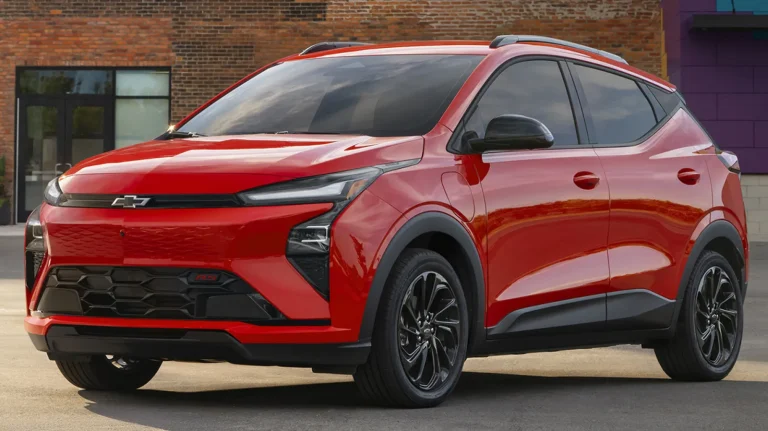
Expected to be a significant disruptor, the Chevrolet Equinox EV promises an aggressive price point starting around $30,000 (for the base model), leveraging GM’s scalable Ultium platform. By 2026, it will be a well-established player.
- Strengths: Potentially game-changing affordability, Ultium battery technology offering flexible configurations, appealing SUV design, decent range figures, access to GM’s charging initiatives.
- Weaknesses: Base model range and features might be limited, charging speeds might not match 800V systems, unproven long-term reliability for a new platform (though Ultium shows promise).
- Value Proposition: If Chevy delivers on its price promises, the Equinox EV could redefine "best for the money" by making EVs accessible to a much wider audience. Its value will be unparalleled for the entry-level, but higher trims will compete directly with the Ioniq 5. The key will be how well the Ultium platform’s charging and efficiency stand up to the E-GMP.
6. Nissan Ariya
Nissan’s sleek and sophisticated electric SUV, the Ariya, offers a premium interior, advanced driver-assistance features, and a comfortable ride.
- Strengths: Elegant and modern interior design with unique haptic controls, very comfortable "zero gravity" seats, smooth and refined driving experience, ProPILOT Assist 2.0 advanced driver aid, good range options.
- Weaknesses: Slower charging speeds (especially on DC fast chargers compared to Ioniq 5), higher starting price than some rivals, infotainment system can be complex, less cargo space than some competitors.
- Value Proposition: The Ariya excels in offering a premium, serene driving experience and a high-tech cabin. Its value proposition leans towards comfort and sophistication, but it might fall short on charging speed and ultimate price-to-feature ratio compared to the Ioniq 5.
Head-to-Head: The Value Showdown
Let’s directly compare the 2026 Hyundai Ioniq 5 against its rivals across the "best for the money" criteria:
- Price: The Ioniq 5 has consistently offered competitive pricing for its feature set. While the Chevy Equinox EV might undercut it at the absolute entry-level, the Ioniq 5 is likely to hold its own against the Model Y, Mach-E, EV6, and Ariya, especially when factoring in standard features. Hyundai’s typical aggressive incentives often make the actual transaction price very attractive.
- Range: By 2026, the Ioniq 5’s range is expected to improve, likely pushing closer to or exceeding 300 miles on some configurations. This puts it squarely in contention with Model Y and Mach-E, while likely surpassing ID.4 and Ariya on average. The key here will be achieving this range without a significant price hike.
- Charging Speed: This is where the Ioniq 5 (and EV6) maintains a significant, almost unfair, advantage. Its 800V architecture allows for 10-80% charges in under 20 minutes, a feat none of its direct competitors can consistently match (Model Y, Mach-E, ID.4, Ariya typically take 30-40+ minutes for the same charge, though Tesla’s Supercharger availability is a counterpoint). This dramatically impacts long-distance travel convenience.
- Features & Tech: The Ioniq 5 consistently punches above its weight. V2L is a unique selling point that no direct competitor offers. Its digital instrument cluster, large infotainment screen, excellent ADAS suite (Highway Driving Assist), and thoughtful interior design offer a premium experience without a premium price tag.
- Performance: The Ioniq 5’s AWD models offer brisk acceleration (0-60 mph in around 5 seconds), which is more than enough for most drivers. While the Model Y Performance is quicker, the Ioniq 5 strikes an excellent balance between everyday usability and spirited driving, providing compelling performance for the money.
- Interior Quality & Space: The Ioniq 5’s open, airy cabin, flat floor, and movable console provide unparalleled versatility and comfort for its segment. Materials are generally excellent for the price point, often feeling more upscale than the ID.4 and some Mach-E trims. It generally outpaces the EV6 for rear passenger comfort.
- Total Cost of Ownership (TCO) & Warranty: Hyundai’s 10-year/100,000-mile powertrain and battery warranty is industry-leading, providing significant peace of mind and reducing potential long-term costs. This is a huge factor in its "value for the money" equation, often surpassing competitors like Tesla and Ford. Maintenance costs for EVs are generally lower, and the Ioniq 5 is no exception.
- Resale Value: Early Ioniq 5 models have shown strong resale value, a trend likely to continue as the brand strengthens its EV presence and the market matures.
Beyond the Numbers: Intangibles and User Experience
While specifications are important, the subjective experience often sways buyers.
- Design Appeal: The Ioniq 5’s design is polarizing but undeniably distinctive. For those who love it, it’s a major draw, offering a fresh alternative to more conventional or minimalist designs.
- Driving Experience: The Ioniq 5 offers a smooth, quiet, and refined ride. It’s comfortable for long journeys and agile enough for city driving, striking a balance that many find ideal.
- Brand Perception: Hyundai has successfully shed its budget-brand image, now perceived as an innovator offering high-quality, tech-forward vehicles. This positive perception adds to the overall value.
- Dealer Network: Hyundai benefits from an extensive and established dealer network, which can be a significant advantage over direct-to-consumer models like Tesla for service and support.
The Verdict: Is the 2026 Ioniq 5 the Value King?
Based on the anticipated improvements for 2026 and its current standing, the 2026 Hyundai Ioniq 5 is exceptionally well-positioned to remain one of, if not the, best electric vehicles for the money.
Here’s why:
- Unmatched Charging Advantage: The 800V architecture gives it a crucial edge in a world where charging time is often the biggest EV pain point. This alone adds immense value to the ownership experience.
- Feature-Rich for the Price: It consistently offers premium features like V2L, advanced ADAS, and a high-quality, spacious interior at a price point that often undercuts vehicles with similar capabilities.
- Comprehensive Peace of Mind: Hyundai’s warranty package is a significant differentiator, protecting buyers from unforeseen costs and enhancing the total cost of ownership.
- Balanced Excellence: The Ioniq 5 doesn’t necessarily win every single category (e.g., raw acceleration vs. Model Y, ultimate luxury vs. premium brands), but it delivers a consistently high level of performance, technology, comfort, and practicality across the board, making it an incredibly well-rounded package.
While the Chevrolet Equinox EV might offer a lower entry price point, and the Tesla Model Y delivers on performance and network, the Ioniq 5’s holistic combination of ultra-fast charging, distinctive design, spacious and feature-packed interior, strong performance, and an industry-leading warranty – all at a highly competitive price – makes its value proposition incredibly compelling.
For buyers seeking a truly modern, technologically advanced, and highly practical electric SUV that offers outstanding value for every dollar spent, the 2026 Hyundai Ioniq 5 is not just a strong contender; it’s a top-tier champion that continues to set the standard. It proves that you don’t have to compromise on innovation or experience to get the best electric vehicle for your money.