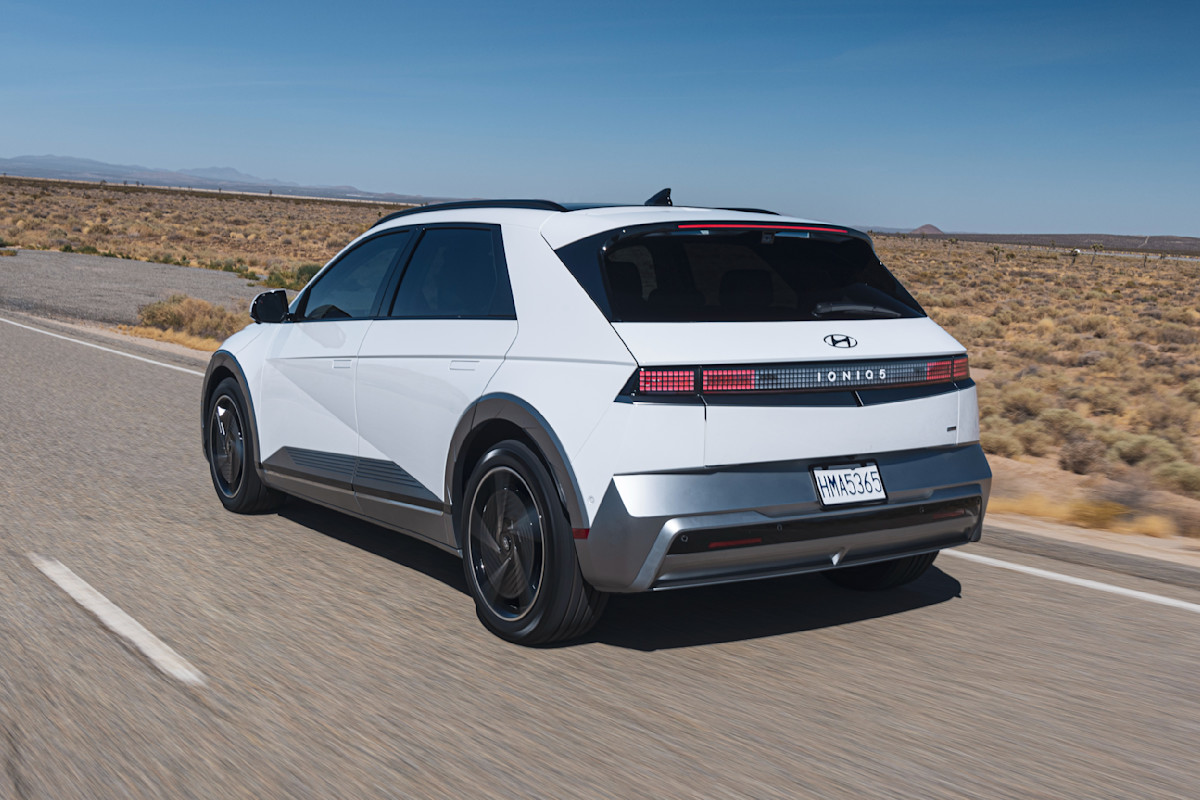
The Hyundai Ioniq 5 burst onto the electric vehicle (EV) scene like a bolt of lightning, instantly captivating with its retro-futuristic design, blistering charging speeds, and a spacious, tech-laden interior. Since its debut, it has consistently redefined expectations for what an electric crossover can be, earning critical acclaim and a devoted following. As the automotive world rapidly electrifies, eyes are now turning to the horizon, eagerly anticipating what the future holds for this groundbreaking EV. Specifically, the 2026 Hyundai Ioniq 5 is a topic of intense speculation and excitement.
This comprehensive article delves into everything prospective buyers and EV enthusiasts need to know about the 2026 Hyundai Ioniq 5 release date, expected enhancements, and a detailed buying guide designed to navigate the purchase process effectively. Whether you’re a seasoned EV owner or considering your first electric vehicle, understanding the nuances of the upcoming Ioniq 5 will be crucial for making an informed decision.
The Current Ioniq 5: A Foundation of Excellence
Before we peer into the future, it’s essential to appreciate the current generation of the Hyundai Ioniq 5. Launched as a 2022 model, it quickly distinguished itself with:
- Distinctive Design: Its pixelated LED lights, sharp lines, and clam-shell hood create an unmistakable presence.
- E-GMP Platform: Built on Hyundai’s dedicated Electric-Global Modular Platform, it offers optimal battery placement, a flat floor, and a highly versatile interior.
- Blazing Fast Charging: Thanks to its 800V architecture, the Ioniq 5 can charge from 10% to 80% in as little as 18 minutes on a 350 kW DC fast charger – a class-leading figure.
- Impressive Range and Performance: Offering various configurations, including rear-wheel drive (RWD) and all-wheel drive (AWD), with ranges often exceeding 300 miles on a single charge and brisk acceleration.
- V2L (Vehicle-to-Load) Functionality: A game-changer, allowing owners to power external appliances directly from the car’s battery.
- Spacious and Modern Interior: A minimalist yet highly functional cabin with dual 12.3-inch screens and sustainable materials.
This strong foundation sets a high bar for any subsequent iterations, and the 2026 model is expected to build upon this success.
Speculating on the 2026 Hyundai Ioniq 5 Release Date
Automotive manufacturers typically follow a predictable lifecycle for their models:
- Initial Launch: A brand-new generation.
- Mid-Cycle Refresh (Facelift): Usually around 3-4 years into the model’s life, involving minor exterior tweaks, interior updates, and technology enhancements.
- Full Redesign (New Generation): Typically after 6-7 years.
Given the Ioniq 5’s debut as a 2022 model, a mid-cycle refresh is highly anticipated for the 2025 model year. This refresh, which has already been spotted in spy photos and hinted at by Hyundai officials, will likely introduce updated styling, potentially larger battery options, and new infotainment features.
Therefore, the 2026 Hyundai Ioniq 5 is most likely to be a continuation of this refreshed model, rather than a completely new generation. Here’s a projected timeline:
- Late 2024 / Early 2025: Official unveiling and release of the 2025 Ioniq 5 (the refreshed model).
- Late 2025: Order books for the 2026 Ioniq 5 are expected to open. This is when customers can configure their desired trim and options.
- Early to Mid-2026: Production and initial deliveries of the 2026 Hyundai Ioniq 5 would commence.
It’s crucial to understand that while the 2026 model won’t be a radical overhaul, it will carry forward the significant improvements introduced in the 2025 refresh, potentially with minor year-over-year tweaks in features or available packages.
Expected Enhancements for the 2026 Model
Building on the anticipated 2025 refresh, the 2026 Ioniq 5 is expected to refine an already excellent package. While specifics remain speculative, we can project enhancements across several key areas:
-
Exterior Design:
- Subtle Refinements: Expect updated front and rear bumper designs, revised grille patterns, and potentially new LED lighting signatures. These changes will likely be evolutionary, maintaining the Ioniq 5’s distinctive aesthetic while giving it a fresh look.
- New Wheel Designs: Updated alloy wheel options will likely be introduced across various trim levels.
- Expanded Color Palette: Hyundai might introduce new exterior paint options to keep the model appealing.
-
Interior & Technology:
- Infotainment Upgrades: Hyundai’s infotainment system, while good, is always evolving. Expect faster processors, new software features, and potentially larger or reconfigured displays. Over-the-Air (OTA) updates will continue to improve functionality post-purchase.
- Improved Materials and Ergonomics: Subtle changes to interior finishes, new sustainable material options, and minor ergonomic tweaks for improved driver and passenger comfort.
- Digital Key 3.0/4.0: Enhanced digital key capabilities allowing for smartphone-based access and sharing.
- Heads-Up Display (HUD) Enhancements: Potentially more advanced augmented reality features integrated into the HUD.
-
Performance & Range:
- Battery Capacity Boost: The most significant potential upgrade from the 2025 refresh, which the 2026 model will inherit, is a larger battery pack. Current models typically offer a 77.4 kWh battery; a move to an 84 kWh or even 87 kWh pack could push the range well over 320-330 miles for RWD variants.
- Efficiency Gains: Continuous software optimizations and minor hardware tweaks could lead to marginal improvements in energy efficiency, further extending real-world range.
- Motor Refinements: While the core powertrain will likely remain, minor tweaks could lead to slightly improved acceleration or efficiency, particularly for the AWD variants.
-
Charging Infrastructure:
- Continued 800V Advantage: The Ioniq 5’s 800V architecture will remain a core selling point, offering industry-leading DC fast charging speeds.
- Improved Charging Software: Enhancements to pre-conditioning systems for optimal fast charging in varying temperatures.
-
Advanced Driver-Assistance Systems (ADAS) & Safety:
- Next-Generation HDA: Highway Driving Assist (HDA) is expected to evolve, offering smoother lane changes, improved adaptive cruise control, and better recognition of road signs and conditions.
- Enhanced Parking Systems: More sophisticated automated parking features and 360-degree camera systems.
- New Safety Features: Integration of emerging safety technologies to meet evolving industry standards.
The Ultimate 2026 Hyundai Ioniq 5 Buying Guide
Purchasing an EV, especially a highly anticipated model like the Ioniq 5, requires careful planning and research. This guide will walk you through the essential steps to ensure a smooth and informed buying experience.
1. Research & Self-Assessment: Define Your Needs
- Range Requirements: How far do you typically drive in a day? Consider your commute, weekend trips, and potential long-distance travel. The Ioniq 5 offers excellent range, but a larger battery variant might be beneficial for certain lifestyles.
- Charging Habits: Do you have access to home charging (Level 2)? This is crucial for EV ownership. If relying heavily on public charging, assess the infrastructure in your area.
- Budget: Determine your overall budget, including the purchase price, insurance, potential charging equipment, and installation costs.
- Feature Priorities: What features are non-negotiable? AWD for adverse weather? Premium sound system? Advanced safety tech?
- Incentives: Research federal, state, and local EV incentives. These can significantly reduce the effective purchase price. The Ioniq 5’s eligibility for federal tax credits may vary based on battery sourcing and final assembly location, so confirm this closer to the release.
2. Understanding Trim Levels & Options
Hyundai typically offers the Ioniq 5 in several trim levels, each building upon the last with additional features and capabilities. For the 2026 model, anticipate a similar structure:
- SE (Standard Range / Long Range): The entry-level trim, offering core Ioniq 5 features, excellent range, and standard safety tech. Available in RWD.
- SEL (Long Range): Adds more convenience features like a hands-free power liftgate, heated steering wheel, ambient lighting, and potentially upgraded interior materials. Available in both RWD and AWD.
- Limited (Long Range): The top-tier trim, boasting premium features such as a vision roof, advanced HUD, premium audio system, enhanced ADAS, and advanced parking assist. Available in both RWD and AWD.
Key Decision Points:
- RWD vs. AWD: RWD offers slightly better range and often a lower price point. AWD provides superior traction and quicker acceleration but comes with a higher cost and slightly reduced range.
- Battery Size: With a potential larger battery for 2026, decide if the standard long-range pack is sufficient or if the maximum available range is desired.
- Optional Packages: Hyundai often bundles desirable features into packages (e.g., a "Technology Package" or "Prestige Package"). Evaluate these carefully.
3. Pricing & Value Proposition
- Estimated Pricing: While official 2026 pricing is unavailable, expect a slight increase over current models, reflecting the enhancements. The current Ioniq 5 ranges from approximately $41,800 for the base SE Standard Range to over $59,000 for a loaded Limited AWD. The 2026 model could see these figures rise by $1,000-$3,000 across the board.
- Total Cost of Ownership (TCO): EVs generally have lower running costs due to cheaper "fuel" (electricity vs. gasoline) and reduced maintenance (fewer moving parts). Factor in potential savings on fuel, oil changes, and other routine maintenance when assessing the overall value.
- Resale Value: The Ioniq 5 has demonstrated strong resale value, a trend likely to continue given its popularity and the growing demand for EVs.
4. The Test Drive & Evaluation
Once the 2026 Ioniq 5 is available, a thorough test drive is indispensable.
- Driving Dynamics: Pay attention to acceleration, braking (including regenerative braking feel), steering responsiveness, and ride comfort.
- Interior Comfort: Assess seat comfort, visibility, ease of access to controls, and overall cabin spaciousness.
- Infotainment & Technology: Spend time interacting with the infotainment system, navigation, and driver-assistance features. Ensure they are intuitive and meet your expectations.
- Storage & Practicality: Check trunk space, frunk (front trunk) utility, and interior storage solutions.
- Charging Simulation: If possible, ask the dealership about nearby fast chargers and discuss the charging experience.
5. Ordering & Purchase Process
- Pre-Orders/Reservations: For highly anticipated models like the 2026 Ioniq 5, Hyundai may open a reservation system. This allows you to secure your place in line, often with a refundable deposit.
- Dealership vs. Online: While Hyundai primarily sells through dealerships, the purchasing experience may involve more online configuration and less traditional negotiation than ICE vehicles.
- Negotiation: While EV demand can limit negotiation room, especially for new models, always be prepared to discuss pricing, trade-ins, and financing options.
- Financing & Leasing: Compare loan interest rates from various lenders. Leasing can be an attractive option for EVs, especially if you want to experience the latest technology and potentially benefit from lease-specific incentives.
6. Post-Purchase Considerations
- Home Charging Installation: Plan for a Level 2 (240V) home charger. This typically requires professional installation and can cost anywhere from a few hundred to a couple of thousand dollars.
- Maintenance: EVs have simpler maintenance schedules than gasoline cars, primarily focusing on tire rotations, cabin air filters, and brake fluid checks.
- Warranty: Understand the Ioniq 5’s comprehensive warranty, especially the crucial battery warranty (typically 10 years/100,000 miles in the US).
- Insurance: Obtain insurance quotes, as EV insurance costs can vary.
- Software Updates: Stay informed about Hyundai’s over-the-air software updates, which can improve features, performance, and efficiency.
Ioniq 5 in the Competitive Landscape
The 2026 Hyundai Ioniq 5 will continue to face strong competition in the burgeoning electric crossover segment. Key rivals include:
- Tesla Model Y: Known for its extensive Supercharger network and strong performance.
- Kia EV6: The Ioniq 5’s platform sibling, offering a sportier design and driving dynamics.
- Ford Mustang Mach-E: A stylish and engaging electric SUV with a strong brand legacy.
- Volkswagen ID.4: A more traditional SUV approach to electrification, focusing on practicality.
- Subaru Solterra / Toyota bZ4X: Jointly developed, offering AWD prowess.
The Ioniq 5 differentiates itself with its unique design, ultra-fast charging capability, V2L functionality, and a generally more luxurious and spacious interior feel compared to some rivals. The 2026 enhancements will aim to solidify its competitive edge.
The Future of the Ioniq 5 and Hyundai EVs
The Ioniq 5 is more than just a car; it’s a cornerstone of Hyundai’s ambitious electrification strategy. The Ioniq sub-brand is set to expand with the Ioniq 6 sedan and the forthcoming Ioniq 7 large SUV. The continuous refinement of models like the Ioniq 5 demonstrates Hyundai’s commitment to leading the charge in sustainable mobility, pushing boundaries in design, technology, and performance.
Conclusion
The anticipation for the 2026 Hyundai Ioniq 5 is palpable, and for good reason. While it won’t be a full redesign, it will inherit the significant improvements of the 2025 mid-cycle refresh, solidifying its position as a segment leader. With its distinctive aesthetics, cutting-edge technology, rapid charging, and practical utility, the Ioniq 5 offers a compelling package for anyone looking to embrace the electric future.
By understanding the likely release date in late 2025/early 2026 and diligently following this buying guide, prospective owners can confidently navigate the purchasing journey and welcome one of the most exciting EVs on the market into their lives. The 2026 Ioniq 5 is poised to continue Hyundai’s electric revolution, offering a sophisticated, sustainable, and utterly enjoyable driving experience.