The mid-size three-row SUV arena is, to put it mildly, a bloodbath. It’s a segment where practicality clashes with aspiration, where family hauling meets adventure-seeking, and where value often trumps outright luxury. For decades, the Ford Explorer has been a titan in this space, a nameplate synonymous with American family adventures. But the automotive landscape shifts relentlessly, and for the 2026 model year, the Explorer faces perhaps its most formidable challenge yet. As the industry hurtles towards electrification and digital integration, can the updated 2026 Ford Explorer not just compete, but truly stand out as the "best SUV for the money" against a cadre of incredibly polished and value-driven rivals?
This isn’t just about sticker price. "Best for the money" in today’s market encompasses a holistic view: initial purchase cost, standard features, fuel economy, reliability, maintenance costs, resale value, advanced safety tech, and the overall ownership experience. It’s a complex equation, and the 2026 Explorer will need to ace every variable to seize that coveted title.
The Evolving Ford Explorer: What to Expect in 2026
While details for the 2026 Explorer are still largely speculative, we can anticipate a significant evolution from the current generation, which launched in 2020. Given Ford’s current design language and technological trajectory, expect a blend of rugged capability and modern sophistication.
Design and Exterior: The 2026 Explorer is likely to undergo a substantial refresh or even a full redesign. We could see styling cues borrowed from the highly successful Bronco and Maverick, lending it a more assertive, perhaps even slightly retro-futuristic, presence. Sharper lines, a more pronounced grille (possibly with integrated lighting elements), and updated LED signature lighting would bring it in line with contemporary aesthetics. Ford understands the power of presence, and the 2026 Explorer will need to make a statement from the curb.
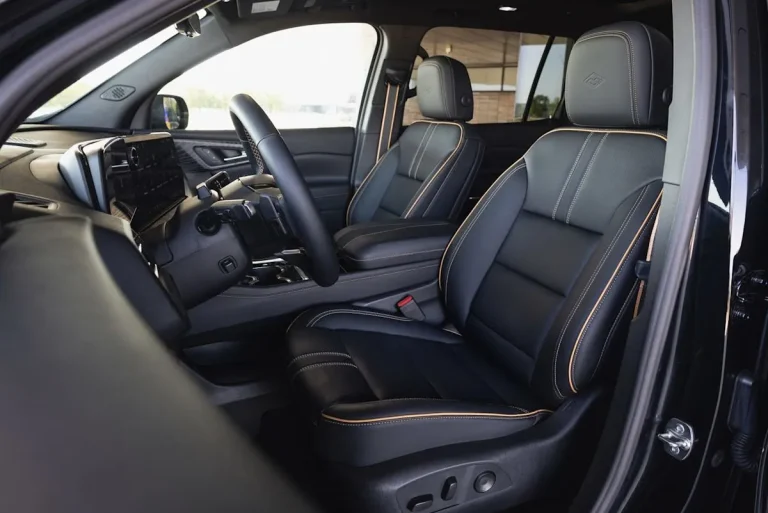
Interior and Technology: This is where the Explorer must shine to compete on value. Expect a thoroughly revamped cabin, moving away from some of the current model’s harder plastics in favor of more premium, soft-touch materials, especially in higher trims. The centerpiece will undoubtedly be a larger, more integrated digital display for the infotainment system, likely running Ford’s SYNC 4 or a next-generation iteration. Expect a fully digital instrument cluster as standard or widely available. Wireless Apple CarPlay and Android Auto, a robust suite of USB-C ports, wireless charging, and potentially even an integrated 5G Wi-Fi hotspot are all table stakes. Comfort will be key, with improved seating ergonomics, more versatile second-row configurations, and better third-row access and space being critical for family buyers.
Powertrain and Performance: The 2026 Explorer’s powertrain lineup will be crucial for its "value" proposition, particularly concerning fuel economy. The current RWD-biased platform offers excellent driving dynamics, and Ford will likely refine this further. Expect a robust hybrid offering to be a cornerstone, potentially a more powerful and efficient version of the current 3.3L V6 hybrid. This hybrid will be essential to challenge Toyota’s dominance in fuel efficiency. Ford’s EcoBoost engines (likely a 2.3L turbocharged four-cylinder and a potent 3.0L twin-turbo V6 for performance trims) will continue to offer a blend of power and respectable efficiency. There’s also a distinct possibility of a fully electric Explorer variant by 2026, or at least a platform designed to accommodate future EV powertrains, further diversifying its appeal.
Safety and Driver-Assist: Ford Co-Pilot360 will be upgraded, likely offering more advanced features as standard. Expect improved adaptive cruise control with stop-and-go, enhanced lane-keeping assist, blind-spot monitoring, rear cross-traffic alert, and potentially a more sophisticated hands-free driving system akin to BlueCruise, even if it’s a higher-tier option. Safety is non-negotiable for family buyers, and a comprehensive, user-friendly suite of ADAS features will be vital for a strong value argument.
Defining "Best SUV for the Money": The Criteria
To truly evaluate the 2026 Explorer’s chances, we need a clear understanding of what "best for the money" means in the mid-size SUV segment:
- Competitive Initial Price: The sticker price must be attractive, especially at entry and mid-level trims.
- Generous Standard Features: Buyers want to feel like they’re getting a lot for their dollar, even in base models. Advanced tech, safety, and comfort features should trickle down.
- Excellent Fuel Economy: With fluctuating gas prices, efficiency is paramount. A strong hybrid option is a huge advantage.
- Reliability and Durability: Lower maintenance costs and fewer unexpected repairs contribute significantly to long-term value.
- Strong Resale Value: A vehicle that holds its value well saves owners money in the long run.
- Comprehensive Warranty: Peace of mind from a good warranty adds to the overall value perception.
- Practicality and Versatility: Ample passenger and cargo space, clever storage solutions, and ease of use for families.
- Driving Dynamics: While not a sports car, a comfortable, composed, and engaging driving experience enhances daily enjoyment.
- Advanced Safety Features: A robust suite of standard and available ADAS features is a critical value point.
The Contenders: A Deep Dive into the Competition
The 2026 Explorer won’t be entering an empty arena. It faces a gauntlet of incredibly strong rivals, each with its own compelling value proposition.
1. Toyota Highlander (and Highlander Hybrid)
Strengths: The Highlander is the undisputed champion of reliability and resale value. Its hybrid variant is a masterclass in fuel efficiency, often delivering close to 35 MPG combined. Toyota’s reputation for trouble-free ownership is legendary. It offers a comfortable ride, intuitive controls, and a sensible, if somewhat conservative, design.
Value Proposition: Unflappable reliability, class-leading fuel economy (hybrid), and incredibly strong resale value make the Highlander a sensible, long-term financial winner. You pay a bit more upfront for the hybrid, but you save significantly on fuel and depreciation.
Challenge to Explorer: The 2026 Explorer’s hybrid must match or exceed the Highlander’s efficiency, and Ford needs to significantly boost its reliability and resale value perception to truly compete on the "money" aspect. The Highlander’s interior can feel a bit dated, giving the Explorer an opportunity to lead with modern design and tech.
2. Kia Telluride / Hyundai Palisade
Strengths: These Korean twins stormed the market with head-turning design, feature-packed interiors, and an astonishing amount of value for the money. They offer a luxurious feel without the luxury price tag. Standard features often include large infotainment screens, comprehensive safety suites, and premium interior materials, even in mid-level trims. Their V6 engines are smooth, and the ride is comfortable. The 10-year/100,000-mile powertrain warranty is a huge differentiator.
Value Proposition: Aggressive pricing for an abundance of features, upscale design, excellent warranty, and spacious cabins make these two arguably the current kings of "bang for your buck."
Challenge to Explorer: The Explorer needs to match the Telluride/Palisade’s feature-per-dollar ratio, particularly in its base and mid-tier trims. Ford’s interior design and materials quality will need to be impeccable to counter the Kia/Hyundai’s aspirational feel. The long warranty is also a tough act to follow.
3. Honda Pilot
Strengths: The Pilot has always been a champion of practicality and space. Its V6 engine offers ample power, and Honda’s reputation for reliability is nearly as strong as Toyota’s. The recent redesign brought a more rugged, squared-off look, and the interior is thoughtfully designed for family life, offering excellent cargo capacity and smart storage solutions.
Value Proposition: Dependable, spacious, and highly practical, the Pilot offers solid long-term reliability and decent resale value. It’s a no-nonsense family hauler that gets the job done without fuss.
Challenge to Explorer: The Explorer needs to demonstrate superior interior flexibility and cargo solutions to compete with the Pilot’s mastery of space. Honda’s V6 is a known quantity, so the Explorer’s powertrains need to offer compelling alternatives in terms of power and efficiency.
4. Chevrolet Traverse
Strengths: The Traverse stands out for its sheer size and cavernous interior. If maximum passenger and cargo space are your top priorities, the Traverse is hard to beat. Its V6 engine is powerful, and it offers a comfortable, highway-cruising ride. It often comes with competitive pricing and incentives.
Value Proposition: For buyers needing maximum space at a reasonable price, the Traverse delivers. It’s a traditional American SUV workhorse.
Challenge to Explorer: While the Traverse excels in size, the Explorer typically offers a more refined driving experience and a more upscale interior (especially in higher trims). The Explorer needs to maintain its dynamic edge while proving its interior space is "smartly" utilized, not just "big."
5. Mazda CX-90
Strengths: Mazda has been steadily pushing into the premium segment, and the CX-90 is their latest three-row offering. It boasts exquisite interior materials, superb driving dynamics, and a strong emphasis on driver engagement. Its new inline-six mild-hybrid engines offer a compelling blend of power and efficiency. It feels more expensive than it is.
Value Proposition: For those who prioritize driving enjoyment and a near-luxury experience without paying luxury brand prices, the CX-90 offers incredible value. It’s a driver’s SUV first and foremost.
Challenge to Explorer: While the Explorer’s RWD-biased platform offers good dynamics, the CX-90 sets a very high bar for driving pleasure and interior refinement. The Explorer needs to strike a balance between family practicality and a premium feel to challenge Mazda’s impressive offering. The CX-90’s third-row space isn’t as generous as some rivals, giving the Explorer a chance to showcase superior passenger comfort.
Where the 2026 Explorer Must Excel
To truly claim the "best SUV for the money" title, the 2026 Ford Explorer must not just compete, but dominate in specific areas:
- Uncompromising Hybrid Efficiency: The hybrid variant must be a class leader, offering fuel economy that directly challenges the Highlander, ideally with more power and a more engaging driving experience.
- Feature-Rich Standard Offerings: Ford needs to load up even its base and mid-tier trims with advanced safety features, a large infotainment screen, and desirable connectivity options. No more feeling like you need to jump to the top trim to get modern tech.
- Premium Interior Experience: The cabin must feel modern, comfortable, and well-appointed. High-quality materials, smart storage, and intuitive controls are essential. The digital interface must be slick and responsive.
- Competitive Pricing Strategy: Ford cannot afford to overprice the Explorer. Aggressive launch pricing, especially on hybrid models, will be key to attracting value-conscious buyers.
- Maintain Driving Dynamics: The Explorer’s RWD-biased platform is a strength. Ford needs to continue refining its ride and handling to offer a more engaging and comfortable experience than many FWD-based rivals.
- Robust Reliability and Service: Ford needs to make significant strides in perceived and actual reliability, offering a comprehensive warranty and a strong dealer service network to instill confidence.
- Smart Space Utilization: While the Traverse offers sheer volume, the Explorer needs to excel in smart space – easy third-row access, flexible cargo solutions, and comfortable seating for all.
The Verdict: Is the 2026 Explorer Primed for Value Victory?
The 2026 Ford Explorer faces a Herculean task. The mid-size three-row SUV segment is unforgiving, populated by vehicles that excel in specific aspects of "value." Toyota offers unwavering reliability, Kia/Hyundai deliver features for days, and Honda provides bulletproof practicality. Mazda brings driving dynamics and near-premium refinement.
However, the Explorer has a storied legacy, a strong platform, and the backing of a brand that understands the American consumer. If Ford plays its cards right – focusing on a genuinely class-leading hybrid, a technologically advanced and premium-feeling interior, an aggressive standard feature set, and a competitive pricing structure – the 2026 Explorer absolutely has the potential to reclaim its place as not just a segment leader, but truly one of the "best SUVs for the money."
It won’t be an easy fight, but the automotive world watches with bated breath to see if the blue oval can once again strike that perfect balance of capability, comfort, and compelling value. The crown is up for grabs, and the 2026 Explorer has the tools to make a very strong bid for it.