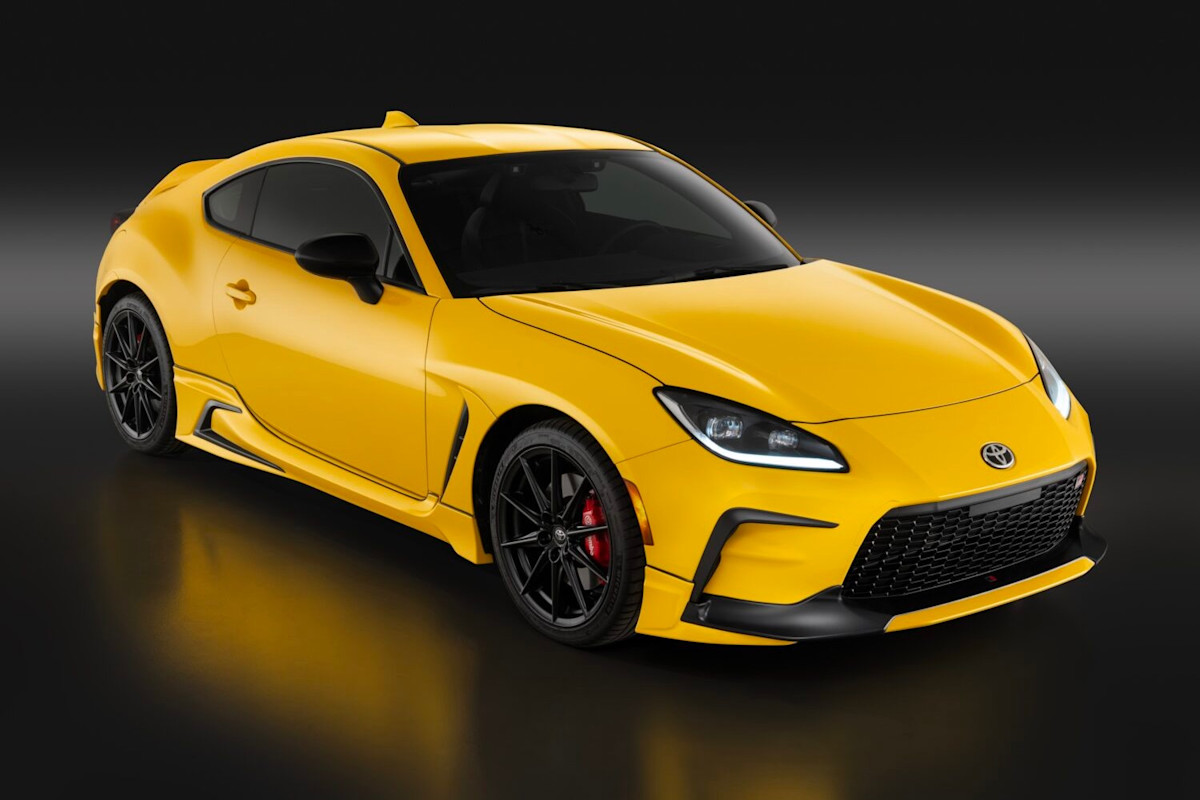
The Toyota GR86 has cemented its place as a modern icon, a defiant two-door coupe that prioritizes driving purity and accessible thrills over outright horsepower figures. In an automotive landscape increasingly dominated by electric vehicles and large SUVs, the GR86, alongside its Subaru BRZ twin, stands as a beacon for enthusiasts who crave a direct, unadulterated connection with the road. As the current generation continues to impress, whispers and speculation have begun to circulate regarding its successor, leading many to eagerly anticipate the potential 2026 Toyota GR86.
While no official details have been released by Toyota or Subaru concerning a next-generation model for the 2026 model year, the industry’s typical product cycles, coupled with the ongoing evolution of automotive technology and regulations, make such a prospect a topic of intense interest. This article delves into what we might expect from a potential 2026 GR86, from its speculated release timeline and potential technological advancements to a comprehensive buying guide for those planning to welcome this future legend into their garage.
The Next Chapter: What to Expect from the Speculative 2026 GR86
The current GR86, launched for the 2022 model year, represented a significant leap forward from its 86/FR-S predecessor. With a larger 2.4-liter naturally aspirated flat-four engine, improved chassis rigidity, and a more refined interior, it enhanced every aspect of the formula without betraying its core principles. The challenge for a potential 2026 model will be to evolve further while retaining the magic that makes the GR86 so beloved.
1. Powertrain Evolution: The Elephant in the Room
This is perhaps the most heavily debated and anticipated aspect of any future GR86. The current 2.4-liter naturally aspirated engine, co-developed with Subaru, delivers a respectable 228 horsepower and 184 lb-ft of torque. While praised for its linearity and responsiveness, some enthusiasts invariably yearn for more power, particularly in the form of forced induction.
- Turbocharging? The most frequent speculation revolves around the potential for a turbocharged engine. Subaru’s FA24F engine, found in models like the WRX, is a direct relative of the GR86’s FA24D. Integrating a turbocharger could significantly boost horsepower and torque, providing the straight-line performance many desire. However, this comes with potential drawbacks: increased weight, higher cost, altered exhaust note, and potentially a less linear power delivery, which could detract from the GR86’s current character. Toyota and Subaru would need to carefully tune it to maintain the car’s playful, rev-happy nature.
- Hybridization? As emissions regulations tighten globally, even sports cars are not immune to electrification. A mild-hybrid system could offer a small power boost, improve fuel economy, and allow for features like torque fill at low RPMs, all while keeping the engine primarily internal combustion. A full hybrid, similar to what Toyota employs in other GR models (like the GR Yaris in some markets), could offer substantial power gains and even electric-only driving, but would likely add significant weight and complexity, pushing the car’s price point higher.
- Continued Naturally Aspirated? While less likely given industry trends, a refined, slightly more powerful naturally aspirated engine cannot be entirely ruled out, especially if Toyota and Subaru are determined to preserve the current car’s analog feel and lower cost. However, meeting future emissions standards with an NA engine would be increasingly difficult.
2. Platform and Design Language
The current GR86 shares its platform with the BRZ, a bespoke architecture that prioritizes a low center of gravity and excellent weight distribution. For a 2026 model, there are a few possibilities:
- Evolution of Current Platform: A heavily revised version of the current platform could be utilized, allowing for significant improvements in rigidity, safety, and packaging for new powertrains, without a complete redesign from the ground up. This would be cost-effective.
- TNGA Integration: Toyota’s highly modular Toyota New Global Architecture (TNGA) underpins a vast array of their vehicles. While the GR86’s unique requirements might make a full TNGA integration challenging without compromise, elements of TNGA or a specific sports car variant of it could be adapted. This could offer greater economies of scale and access to more advanced safety and infotainment technologies.
- Exterior Design: Expect an evolutionary design rather than a revolutionary one. The GR86’s sleek, athletic profile is a key part of its appeal. Future iterations will likely feature sharper lines, more aggressive aero elements, and updated lighting signatures (LEDs will undoubtedly be standard). The "hammerhead" styling cue seen on some newer Toyota models might find its way into the GR86’s front fascia.
- Interior Refinement: The current GR86’s interior is functional but not luxurious. A 2026 model would undoubtedly feature a more modern infotainment system (larger screen, wireless Apple CarPlay/Android Auto), updated digital instrumentation, higher-quality materials, and potentially more advanced driver-assistance systems (ADAS) to meet modern safety standards. The GR86’s focus on driver engagement means physical buttons for key functions will likely remain.
3. Driving Dynamics: Upholding the Legacy
Regardless of powertrain or platform, the GR86’s raison d’être is its exceptional driving dynamics. The next generation must continue to deliver:
- Balanced Handling: A near 50:50 weight distribution, a low center of gravity, and a highly communicative chassis are non-negotiable.
- Manual Transmission: A six-speed manual transmission is fundamental to the GR86 experience and will almost certainly remain an option, even if an automatic is also offered.
- Rear-Wheel Drive: This is the core identity of the GR86 – pure, unadulterated rear-wheel drive fun.
- Weight Management: Keeping the car’s curb weight down is crucial for agility and responsiveness. Any new technology or powertrain will need to be carefully integrated to minimize weight penalties.
4. Pricing and Market Positioning
The GR86’s affordability is a huge part of its appeal. The current model starts around $30,000 USD. A 2026 model, with new technology, potentially a more complex powertrain, and increased manufacturing costs, would almost certainly see a price bump. However, Toyota and Subaru would be wise to keep it competitive and accessible, maintaining its position as one of the best value sports cars on the market. It will continue to compete with vehicles like the Mazda MX-5 Miata, and potentially entry-level versions of the Ford Mustang and Chevrolet Camaro.
The Release Timeline: Navigating the Anticipation
Predicting an exact release date for a car that hasn’t been officially announced is challenging, but we can outline a typical product cycle for a vehicle of this nature.
- Late 2024 – Early 2025: Rumors and Spy Shots: This phase would see the first credible leaks, patent filings, and blurry spy photos of heavily camouflaged prototypes undergoing testing at tracks like the Nürburgring or in various climates. Automotive news outlets and enthusiast forums would be abuzz with speculation.
- Mid-Late 2025: Concept Car or Official Teasers: Toyota and/or Subaru might unveil a "concept" vehicle at a major auto show (e.g., Tokyo Auto Salon, Los Angeles Auto Show) that heavily previews the design and technological direction of the next GR86. Alternatively, official teaser campaigns – short videos, cryptic images – would begin to build excitement.
- Late 2025 – Early 2026: Official Reveal: The wraps would come off the production-ready 2026 Toyota GR86 (and its BRZ twin). This would involve a global online reveal and/or a physical unveiling at a major international auto show. Full specifications, pricing for initial trim levels, and official photography would be released.
- Spring/Summer 2026: Pre-Orders and Initial Production: Following the reveal, Toyota would likely open order books. Early adopters could place deposits, configuring their desired trim levels and options. Production would ramp up, with the first units typically destined for the home market (Japan) before expanding globally.
- Late Summer/Fall 2026: Dealer Arrivals and First Deliveries: The first 2026 GR86 models would begin arriving at dealerships in key markets like North America, Europe, and Australia. Initial allocations would likely be limited, leading to potential markups and waiting lists.
Comprehensive Buying Guide: Securing Your 2026 GR86
For those determined to be among the first owners of a potential 2026 GR86, a strategic approach is key. This guide will walk you through the process, from pre-launch preparation to the final purchase.
Phase 1: Pre-Launch Strategy (Now until Official Reveal)
-
Stay Informed:
- Follow Automotive News: Regularly check reputable automotive news websites (e.g., Car and Driver, MotorTrend, Road & Track, Autoblog) and dedicated GR86/BRZ forums. These are the first places to break news, share spy shots, and analyze rumors.
- Subscribe to Toyota/Subaru Newsletters: Sign up for email updates directly from Toyota and Subaru. You’ll be notified of official announcements as soon as they’re made.
- Social Media: Follow official Toyota Gazoo Racing and Subaru accounts, as well as prominent automotive journalists and influencers who often get early access to information or insights.
-
Budgeting and Financial Planning:
- Estimate Costs: As mentioned, expect a price increase over the current model. If the current GR86 starts at ~$30,000, mentally prepare for a potential starting MSRP in the $32,000 – $37,000 range, depending on the powertrain and technology upgrades.
- Factor in Options: Performance packages, premium paint colors, upgraded wheels, and interior tech can quickly add thousands to the price.
- Consider Additional Costs: Don’t forget sales tax, registration fees, destination charges, insurance premiums (sports cars tend to be more expensive to insure), and potential dealer add-ons or markups.
- Secure Financing (Pre-Approval): If you plan to finance, start researching interest rates and getting pre-approved for a loan before the car is released. This strengthens your negotiating position at the dealership.
- Down Payment: Start saving aggressively for a substantial down payment. A larger down payment reduces your loan amount, lowers monthly payments, and can help you secure better interest rates.
-
Trade-In Valuation:
- If you plan to trade in your current vehicle, get an idea of its current market value. Use online tools like Kelley Blue Book, Edmunds, and CarGurus. Remember, this value can fluctuate, but having a ballpark figure helps with negotiations.
Phase 2: The Ordering Process (After Official Reveal)
-
Locate Dealerships and Build Relationships:
- Research Local Dealerships: Identify Toyota dealerships in your area that have a good reputation for customer service and fair pricing, especially concerning popular new models. Some dealerships are known for excessive markups; try to avoid these.
- Express Interest Early: Once the car is officially revealed, contact multiple dealerships and express your serious interest in placing an order for a 2026 GR86. Ask to be put on a notification list.
- Understand Allocation: New, highly anticipated models often have limited initial production and dealer allocations. Dealers might receive only a few units initially. Ask about their allocation process and how they prioritize customers.
-
Placing Your Order:
- Deposits: Be prepared to place a refundable deposit to secure your spot in line. Clarify the refund policy in writing.
- Configuration: Work with the dealership to configure your ideal GR86 – trim level, transmission (manual vs. automatic), exterior color, interior options, and any performance or aesthetic packages. Get a detailed printout of your configuration.
- Pricing Agreement: This is critical. Try to get a written agreement or order sheet that clearly states the MSRP and any additional costs before the car arrives. This helps mitigate against unexpected dealer markups. Some dealerships may offer to sell at MSRP; prioritize these. If a markup is unavoidable, try to negotiate it down.
Phase 3: Key Considerations Before Finalizing the Purchase
-
Trim Levels and Options:
- Base vs. Premium/Track: Understand the differences in features, performance enhancements (e.g., Brembo brakes, wider tires, specific suspension tuning), and interior amenities offered by different trim levels. Decide what’s truly important for your driving style and budget.
- Performance Packages: If offered, consider any factory performance packages that might include upgraded brakes, tires, or suspension components. These are often better integrated and more cost-effective than aftermarket solutions.
- Manual vs. Automatic: This is a personal choice, but for a GR86, the manual transmission is almost universally recommended by enthusiasts for the purest driving experience. Test drive both if possible.
-
The Test Drive:
- Don’t Skip It: Even if you’re a long-time GR86 fan, always test drive the specific model year you intend to buy. Pay attention to steering feel, clutch engagement (if manual), braking response, suspension compliance, engine sound, and overall ergonomics.
- Simulate Your Driving: Drive on roads similar to your daily commute, and if possible, find some winding roads to truly experience its handling.
-
Warranty and Maintenance:
- Understand Coverage: Familiarize yourself with Toyota’s standard warranty (typically 3 years/36,000 miles bumper-to-bumper, 5 years/60,000 miles powertrain).
- Maintenance Schedule: Be aware of the recommended service intervals and estimated costs. Sports cars can sometimes have slightly higher maintenance costs for specific components.
-
Insurance Implications:
- Get Quotes: Before finalizing your purchase, get insurance quotes for the specific 2026 GR86 configuration you’re considering. Sports cars, especially new ones, can be expensive to insure, particularly for younger drivers.
-
Post-Purchase Considerations:
- Break-in Period: Follow Toyota’s recommendations for the engine break-in period (typically avoiding high RPMs and heavy loads for the first few hundred miles).
- Modifications: The GR86 has a massive aftermarket support community. If you plan to modify your car, research reputable tuners and understand how modifications might affect your warranty.
- Community: Join online forums and local car clubs. The GR86 community is vibrant and a great resource for tips, events, and camaraderie.
Conclusion: The Future of Driving Purity
The prospect of a 2026 Toyota GR86 is electrifying for driving enthusiasts worldwide. While shrouded in speculation, the anticipation highlights the enduring appeal of a pure, driver-focused sports car in an ever-changing automotive landscape. Toyota and Subaru face the delicate balancing act of modernizing the GR86 with new technology and potentially more power, while meticulously preserving the accessible, analog driving experience that defines it.
For those ready to embrace the next generation of this automotive legend, careful planning, diligent research, and proactive engagement with dealerships will be crucial. As the automotive world slowly shifts its gaze towards 2026, one thing is certain: the horizon beckons with the promise of more smiles per gallon, more thrilling apexes, and the continued legacy of a true driver’s car. Stay tuned, because the next chapter of the GR86 story promises to be an exciting one.