SpeedSUVs.com — Toyota has reportedly pushed back the launch of its highly anticipated three-row Highlander EV for a second time. This latest development means that eager customers waiting for the all-electric version of the popular family SUV will need to exercise a significant amount of patience. According to a report from Nikkei Asia, the automaker is extending its initial production delay, shifting the timeline further into the future as it refines its upcoming electric vehicle strategy.
A Timeline of Pushed-Back Plans
The transition of the long-standing Highlander nameplate to a fully electric model represents a massive milestone for Toyota. Originally, the all-new, next-generation Highlander EV was scheduled to debut and begin production before the end of 2026. However, plans began to shift earlier this year.
In July, a Toyota spokesperson confirmed that the start of production would be delayed by eight weeks. At the time, the automaker stated that this brief hiatus was intended to allow sufficient timing for final adjustments prior to the official market launch. While that initial adjustment would have placed the launch between late summer and early fall of 2026, the new report indicates a much more substantial delay. The timeline has now reportedly been extended by an additional four to twelve months, pushing the absolute earliest production date to January 2027, with customer deliveries scheduled to follow even later.
Prioritizing Quality Validation Over Speed
According to the reports, the primary reason behind this second delay is Toyota’s commitment to rigorous pre-launch testing and quality validation. Given that the 2027 Highlander marks a complete departure from its traditional combustion roots to an EV-only setup, ensuring the new platform’s reliability is paramount for the automaker.
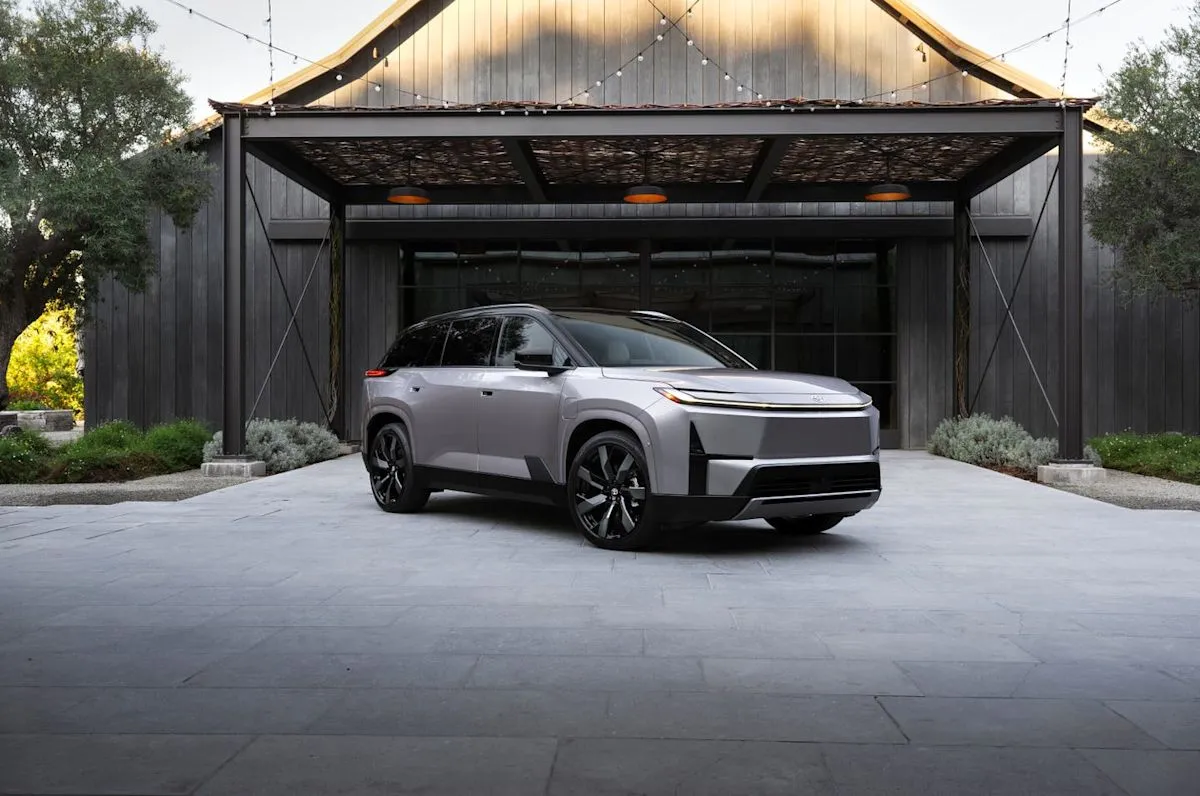
Importantly, a spokesperson for Toyota indicated that these delays are not a reaction to weak market demand for electric vehicles in North America. In fact, Toyota pointed out that consumer interest in its electrified offerings actually increased during the first half of 2026. This suggests the delay is strictly an operational decision focused on vehicle quality rather than a strategic retreat from the electric vehicle segment.
The Ripple Effect on Gas and Hybrid Models
This production delay has a direct and positive side effect for consumers who are not yet ready to make the jump to a full EV. Because the Highlander EV is taking longer to reach the assembly line, Toyota reportedly plans to extend the production of the existing gasoline-powered and hybrid Highlander models. These traditional versions, which were originally slated to wind down to make room for the EV, may now remain in production well into 2027.
Balanced Overview: Pros and Cons of the Delay
Pros
- Enhanced Quality Control: The extra months of testing and validation minimize the risk of early-stage software glitches or mechanical issues upon launch.
- Extended Availability of Hybrids: Buyers who prefer traditional internal combustion or hybrid powertrains have a longer window to purchase these proven models.
- Strong Market Commitment: Toyota is focusing on getting the EV transition right rather than rushing a flawed product to market.
Cons
- Prolonged Wait Times: Enthusiasts and families looking to transition to a three-row electric SUV will face a significant delay before taking delivery.
- Loss of First-Mover Advantage: The delay gives rival automakers more time to capture the three-row electric family SUV market.
Conclusion
Toyota’s decision to delay the Highlander EV for a second time highlights a cautious but calculated approach to its electrification journey. While the wait is disappointing for those eager to drive an all-electric three-row SUV, the extended production of gas and hybrid models offers a great fallback. For buyers, the choice is clear: either secure a reliable, current-generation hybrid Highlander now, or prepare to wait until at least 2027 for the thoroughly tested, all-electric successor.