SpeedSUVs.com — The automotive landscape is constantly evolving, and the end of the 2026 model year marks a significant turning point for several iconic and niche vehicles alike. As manufacturers pivot toward new platforms, electrification, and shifting consumer preferences, a diverse array of models is slated to exit the market. Understanding which vehicles are departing helps prospective buyers navigate the current inventory, whether they are looking to secure a final production model or planning to wait for a successor.
The Changing Face of Luxury and Performance
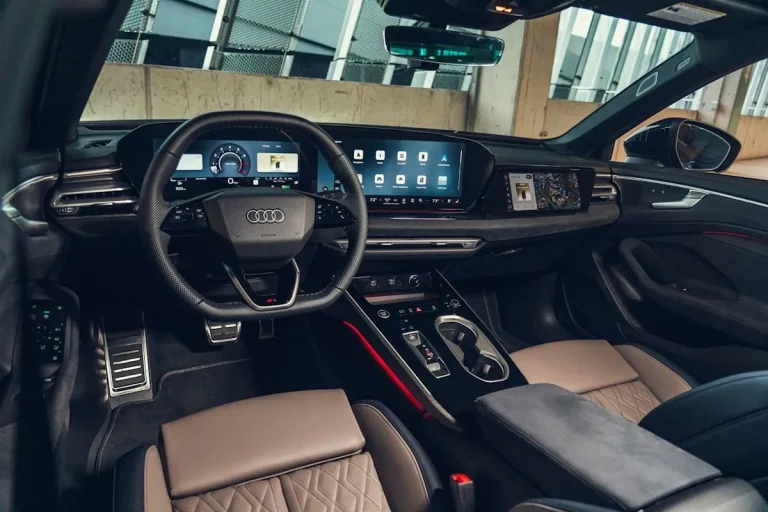
Luxury segments are experiencing some of the most notable shifts. The Audi RS7, a pinnacle of the A7 lineup, is set to be retired as the brand pushes toward electrification, with the A6 e-tron positioning itself as the primary alternative for liftback enthusiasts. Similarly, the BMW 8-Series, known for its elegant coupe, convertible, and Gran Coupe body styles, will see its current iteration come to an end. While BMW has signaled that the 8-Series nameplate may return, the immediate future for these specific configurations remains closed.
The roadster segment also takes a hit with the departure of the BMW Z4. After more than two decades and three generations of history, this compact sports car is being phased out. Enthusiasts of open-top driving will have fewer options, marking the end of a long-standing chapter for the brand in this category. Lexus is also streamlining its sedan offerings; the flagship LS, the model that originally established the brand’s reputation as a global luxury powerhouse, will no longer be part of the lineup after 2026. This leaves the IS and ES as the remaining pillars of the Lexus sedan family.
Shifting Focus in the Electric Vehicle Market
The electric vehicle (EV) sector is seeing rapid churn as legacy automakers refine their portfolios. The BMW iX, while praised for its comfortable ride and substantial range, is ending its U.S. run. Despite recent design updates, the model is being pulled from the market. Honda is also winding down the Prologue, its foray into the electric SUV space, marking a brief appearance for the model.

Tesla, the brand that arguably defined the modern EV market, is retiring two of its oldest nameplates. Both the Model S and the Model X are set for discontinuation. These vehicles were instrumental in changing public perception of electric mobility, but after more than a decade of service, they are making way for new strategies. Similarly, the Chevrolet BrightDrop, which launched as a standalone brand before moving under the bow-tie badge, is being discontinued after a very short lifespan of just two model years.
Compact SUVs and Specialized Models
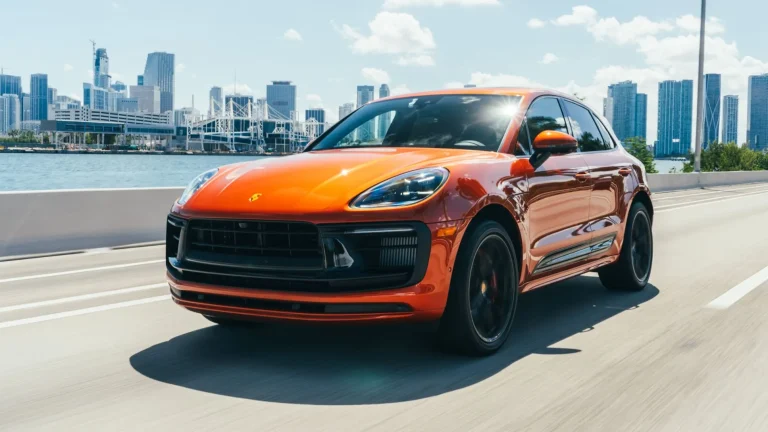
The compact SUV segment, arguably the most competitive in the industry, is seeing a thinning of the ranks. Ford is streamlining its offerings by discontinuing the Escape, allowing the Bronco Sport to serve as the primary compact crossover in the lineup. In a similar vein, the Land Rover Discovery Sport is being retired, ending a decade-long run as a small, three-row luxury option. The Porsche Macan (gas-powered) is also shifting to a strictly electric future, with the internal combustion version entering retirement until a new generation potentially emerges later in the decade.
Performance enthusiasts will also note the departure of the Cadillac CT4 and the Toyota GR Supra. The CT4-V Blackwing, in particular, was lauded for its exceptional driving dynamics and 472-hp engine, making its exit a somber moment for fans of manual-transmission sports sedans. The GR Supra, which made a triumphant return just seven years ago, is once again heading to the archives, leaving the future of the nameplate uncertain once more.
What Lies Ahead for Buyers
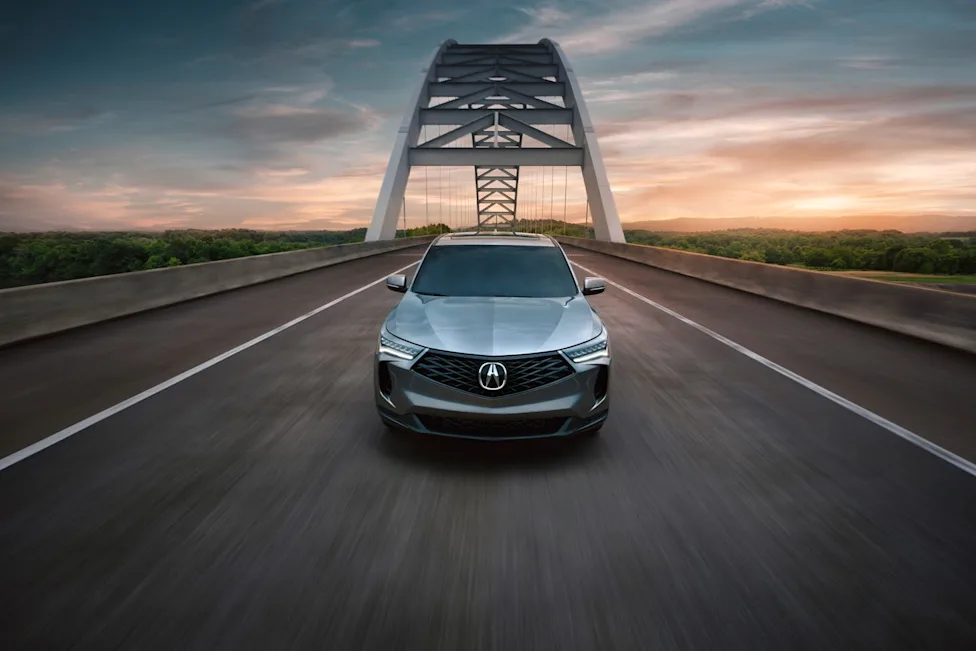
Not all departures are final. Some models are entering a temporary hiatus. The Acura RDX is expected to return as a new-generation model for 2028. The Cadillac CT5 is also slated for a comeback, though its exact return timeline remains unconfirmed. Volkswagen is similarly taking a brief pause with the ID.4, intending to reintroduce the model after a short period. Other vehicles, such as the Chrysler Voyager, are essentially being folded into other nameplates, with its design elements living on in the Chrysler Pacifica LX.
When considering a purchase of these outgoing models, buyers should weigh the benefits of immediate availability against the risks of limited parts support or diminished resale value over the long term. However, for those who appreciate the unique character of these specific vehicles—such as the V-8 power of the Lexus LC or the chassis refinement of the Cadillac CT4-V—this transition period offers a final opportunity to own a piece of automotive history. Decisions should be based on personal preference and the intent to keep the vehicle for the long haul, as the secondary market for discontinued models can be unpredictable.
Summary of Departures
- Luxury Sedans/Coupes: Audi RS7, BMW 8-Series, Lexus LS, Cadillac CT4, Cadillac CT5.
- Sports Cars/Roadsters: BMW Z4, Toyota GR Supra, Lexus LC.
- SUVs/Crossovers: Ford Escape, Land Rover Discovery Sport, Honda Prologue, Porsche Macan (Gas), BMW iX.
- Specialty/Vans: Tesla Model S, Tesla Model X, Chevrolet BrightDrop, Chrysler Voyager.
Ultimately, while the loss of these models marks the end of their current production cycles, it often paves the way for technological advancements and design shifts. Whether a vehicle is being retired for good or simply waiting for a fresh start, these changes are an inherent part of the automotive industry’s continuous evolution.