Few vehicles command the kind of loyalty and anticipation that the Ford Explorer does. For over three decades, it has been the quintessential American family SUV, a workhorse that seamlessly blends practicality, comfort, and capability. From suburban school runs to cross-country adventures, the Explorer has been a constant companion for millions. Now, as the automotive landscape hurtles towards a future defined by electrification, advanced technology, and evolving consumer desires, the automotive world holds its breath for the next iteration of this iconic nameplate: the 2026 Ford Explorer.
This isn’t just another refresh; it’s poised to be a significant evolution, a statement of intent from Ford regarding its vision for the modern family SUV. While firm dates and official specifications remain elusive, industry whispers, spy shots, and Ford’s established product cycles paint a compelling picture. Join us as we dive deep into what we can anticipate from the 2026 Explorer and, crucially, arm you with the ultimate buying guide to navigate its eventual arrival.
The Anticipation Builds: Pinpointing the 2026 Ford Explorer Release Date
Ford typically adheres to a 6-7 year product cycle for its core models, with mid-cycle refreshes occurring around the third or fourth year. The current sixth-generation Explorer debuted for the 2020 model year, making a 2026 model year complete redesign perfectly align with this pattern. This allows Ford to introduce a vehicle that is genuinely new from the ground up, incorporating the latest advancements in design, engineering, and technology.
What to Expect in Terms of Timeline:
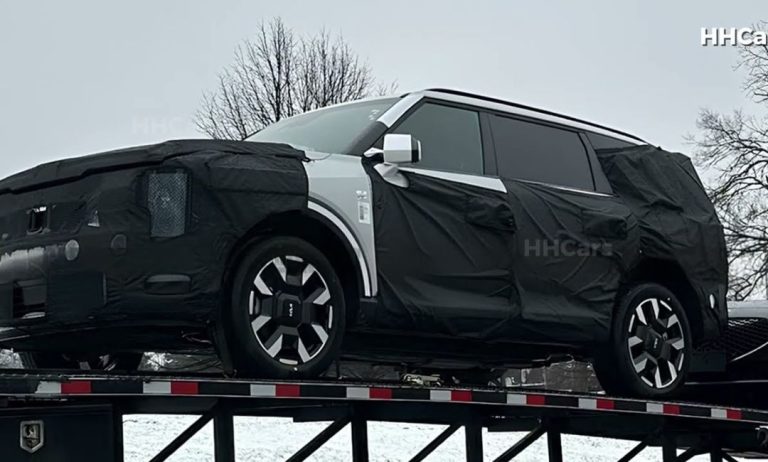
- Early Prototypes & Spy Shots (Current – Late 2024): We’ve already seen glimpses of heavily camouflaged test mules undergoing evaluations. These early sightings confirm development is well underway. Expect more frequent and revealing spy shots as testing progresses.
- Official Teasers & Concepts (Late 2024 – Early 2025): Ford will likely begin its official marketing campaign with subtle teasers – perhaps a shadowed silhouette, a glimpse of a new headlight signature, or a cryptic social media post. They might also unveil a "concept" vehicle that strongly hints at the production model’s design language.
- World Premiere/Global Reveal (Mid-2025): This is the big event. Ford will likely host a dedicated launch event, possibly at a major auto show or a standalone digital presentation, to fully unveil the 2026 Explorer. All key specifications, design details, and initial trim levels will be announced.
- Dealer Showroom Arrival (Late 2025 – Early 2026): Following the reveal, production will ramp up, and the first units will begin to arrive at dealerships. The "2026 model year" designation typically means availability in the latter half of the preceding calendar year. So, expect to see the 2026 Explorer physically on dealer lots and available for purchase sometime between late Fall 2025 and early Spring 2026.
The "Wildcard" Factor: Electrification and Platform Strategy
A significant question mark hangs over the 2026 Explorer: will it continue on its rear-wheel-drive CD6 platform (shared with the Lincoln Aviator) with internal combustion and hybrid options, or will Ford transition it to a dedicated electric vehicle (EV) platform? Given Ford’s aggressive push into electrification, it’s highly plausible that the 2026 Explorer will either offer a full EV variant from launch or be designed with an EV powertrain in mind for a later introduction. This strategic decision will profoundly impact its design, packaging, and performance.
What to Expect: A Glimpse into the Future Explorer
While specifics are speculative, we can infer a great deal about the 2026 Explorer based on current automotive trends and Ford’s recent product launches.
1. Exterior Design: Evolved, Modern, and Aerodynamic
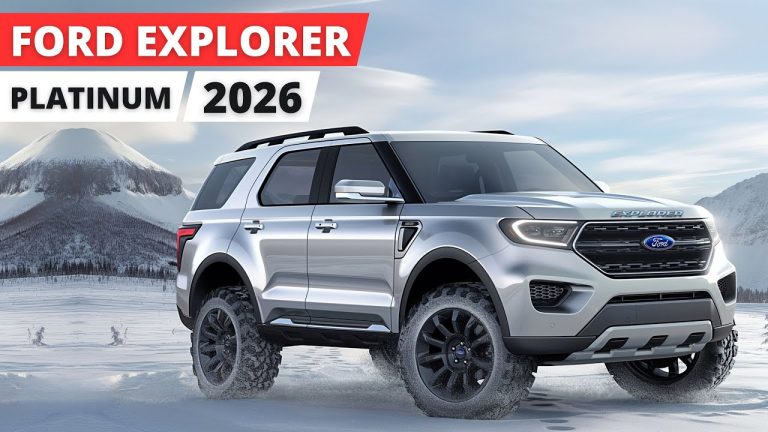
Expect an evolutionary rather than revolutionary design. The Explorer’s instantly recognizable silhouette will likely be retained, but with a more modern and aerodynamic interpretation.
- Front Fascia: A bolder, perhaps larger grille (even on potential EV variants), integrated with sleeker LED lighting signatures that stretch across the front, creating a distinctive daytime running light (DRL) pattern.
- Body Lines: Sharper creases and more sculpted body panels will enhance its athletic stance and improve aerodynamic efficiency, crucial for both fuel economy and EV range.
- Rear Design: A more cohesive rear end with full-width LED taillights (a popular trend), a cleaner tailgate design, and potentially more integrated exhaust outlets (or their absence on an EV).
- Wheel Options: A wider array of wheel designs, including larger diameters and aero-optimized options, will be available across trim levels.
2. Interior: A Digital Sanctuary with Enhanced Comfort
The current Explorer’s interior is functional, but the 2026 model is expected to take a significant leap forward in terms of material quality, digital integration, and overall comfort.
- Digital Cockpit: A fully digital instrument cluster will be standard, offering customizable displays for speed, navigation, and vehicle information.
- Infotainment: The centerpiece will be a large, horizontally or vertically oriented touchscreen running the latest version of Ford’s SYNC system (likely SYNC 4 or 5). Expect wireless Apple CarPlay and Android Auto, robust navigation, and over-the-air (OTA) update capabilities.
- Material Quality: A noticeable upgrade in soft-touch materials, premium upholstery options (leather, synthetic leather, sustainable fabrics), and sophisticated trim accents (wood, aluminum, carbon fiber-look) will elevate the cabin’s ambiance.
- Seating & Space: Retaining its three-row capability, the 2026 Explorer will likely focus on optimizing second and third-row comfort and accessibility. Expect improved seat designs, more flexible cargo configurations, and potentially more storage solutions.
- Ambient Lighting: Customizable ambient lighting will add a touch of sophistication, allowing owners to personalize the interior mood.
3. Powertrain & Performance: Power, Efficiency, and Electrification
This is where the 2026 Explorer will showcase its biggest advancements.
- EcoBoost Engines: The highly praised 2.3-liter EcoBoost four-cylinder and the 3.0-liter EcoBoost V6 will likely return, albeit with efficiency improvements and potentially minor power bumps. These will continue to be paired with a smooth 10-speed automatic transmission.
- Hybrid Power: An advanced hybrid powertrain is almost a certainty, offering a significant leap in fuel economy. This could be an evolution of the current 3.3-liter hybrid or a new, more potent system designed for broader appeal.
- Plug-in Hybrid (PHEV): A PHEV variant is a strong possibility, offering a substantial electric-only range for daily commuting, further enhancing its appeal to environmentally conscious buyers.
- Full EV Variant (High Probability): Ford has committed heavily to EVs, and a dedicated electric Explorer would make perfect sense. This would likely leverage a new battery architecture, offer impressive range, and deliver instant torque for brisk acceleration.
- Drivetrain: Rear-wheel-drive (RWD) will remain standard, with intelligent all-wheel-drive (AWD) available across most, if not all, powertrains. The AWD system will likely feature advanced terrain management modes.
4. Technology & Safety: A Digital Guardian
Ford’s Co-Pilot360 suite of safety and driver-assist technologies will be significantly enhanced.
- Advanced ADAS: Expect improved adaptive cruise control with stop-and-go, lane-keeping assist, blind-spot monitoring, rear cross-traffic alert, and automatic emergency braking with pedestrian detection.
- BlueCruise: Ford’s hands-free highway driving system, BlueCruise, is a near certainty for higher trims, offering a glimpse into autonomous driving capabilities.
- Connectivity: 5G connectivity, enhanced navigation services, a digital key function (allowing your smartphone to act as a key), and a robust app ecosystem will keep owners connected and in control.
- Premium Audio: Options for premium sound systems from brands like Bang & Olufsen will continue to be offered.
5. Trim Levels & Pricing (Speculative)
The 2026 Explorer will likely retain a similar trim structure, catering to a wide range of budgets and preferences.
- Base/XLT: Well-equipped but focusing on value.
- ST-Line: Sporty aesthetic without the full ST performance.
- Limited: A balance of luxury and features.
- ST: The performance-oriented variant, likely with the 3.0L EcoBoost V6 and sport-tuned suspension.
- Platinum: The ultimate in luxury and technology.
- King Ranch (Potential): A unique, Western-themed luxury trim, depending on market demand.
Pricing: Expect a modest increase across the board compared to the current generation, reflecting the added technology, improved materials, and advanced powertrains. A base model could start in the low to mid-$40,000s, while fully loaded Platinum or ST models could easily push into the mid-$60,000s or even low $70,000s, especially if an EV variant is offered.
The Ultimate Buying Guide for the 2026 Ford Explorer
When the 2026 Ford Explorer finally hits the market, the excitement will be palpable. Navigating a new model launch, especially for a vehicle as anticipated as the Explorer, requires a strategic approach. Here’s your definitive guide to making an informed and satisfying purchase.
1. Pre-Launch Preparation: Do Your Homework
- Follow the News: Keep a close eye on automotive news outlets, Ford’s official announcements, and social media channels. Information will trickle out long before the official launch.
- Assess Your Needs: Before you even look at a single specification, clearly define what you need from an SUV.
- Passenger Capacity: Do you regularly need three rows?
- Cargo Space: How much gear do you typically carry?
- Towing: Will you be towing a boat or trailer?
- Performance: Do you prioritize fuel economy, raw power, or electric range?
- Features: What are your absolute must-have tech and safety features?
- Budget Beyond MSRP: Factor in sales tax, registration fees, insurance costs, and potential interest on financing. Remember that running costs (fuel/charging, maintenance) will also be part of your budget.
- Research Competitors: While you might be set on the Explorer, understanding its rivals will give you leverage and perspective. Look at vehicles like the Chevrolet Traverse, Honda Pilot, Kia Telluride, Hyundai Palisade, Toyota Grand Highlander, and even premium options like the Jeep Grand Cherokee L or Mazda CX-90.
2. The Launch Phase: Be Strategic
- Stay Updated on Official Information: Once Ford officially reveals the 2026 Explorer, pore over the press releases, spec sheets, and configurator (when available). Understand the differences between trim levels, standard features, and optional packages.
- Initial Pricing & Availability: Early on, pricing might be less flexible, especially for high-demand trims. Be prepared for potential dealer markups, particularly in the first few months.
- Consider a Pre-Order/Reservation: For highly anticipated models, Ford or individual dealerships might offer a reservation system. This can secure your place in line, often with a refundable deposit. Weigh the pros and cons – you get early access but commit before a test drive.
3. The Test Drive: The Ultimate Audition
This is arguably the most critical step. Don’t rush it.
- Schedule a Dedicated Appointment: Inform the dealership you want an extended test drive.
- Bring Your Family: If it’s a family vehicle, ensure everyone gets to experience the comfort and space. Test child seat installation if applicable.
- Mimic Your Daily Driving: Drive on highways, city streets, and even rougher roads if that’s part of your routine.
- Pay Attention To:
- Ride Quality: Is it smooth or firm? How does it handle bumps?
- Handling: How does it feel around corners? Is the steering responsive?
- Powertrain: Is the engine/motor powerful enough for your needs? Is the transmission smooth? How is the acceleration? (If testing an EV, pay attention to regen braking.)
- Visibility: Are there any major blind spots?
- Interior Ergonomics: Are controls easy to reach and intuitive? Is the infotainment system user-friendly?
- Comfort: Are the seats supportive? Is there enough legroom and headroom in all rows?
- Noise Levels: How much road, wind, and engine noise penetrates the cabin?
- Cargo Access: Test folding seats, opening the liftgate, and loading items.
4. Negotiation & Purchase: The Art of the Deal
- Knowledge is Power: Use all the research you’ve done to your advantage. Knowing competitor pricing and specific Explorer trim differences will help.
- Get Multiple Quotes: Contact several dealerships, even if they are a bit further away. This fosters competition.
- Focus on the Out-the-Door Price: Don’t just negotiate the MSRP. Ensure you understand all fees, taxes, and charges.
- Financing vs. Leasing:
- Financing (Loan): You own the car, build equity, and have no mileage restrictions. Ideal if you plan to keep the vehicle long-term.
- Leasing: Lower monthly payments, drive a new car every few years, and often includes warranty coverage for the lease term. Ideal if you like to upgrade frequently or have high depreciation concerns. Understand mileage limits and wear-and-tear clauses.
- Trade-in Strategy: Get an independent appraisal of your current vehicle before going to the dealership. You can often get a better deal by selling your trade-in privately or negotiating it separately from the new car purchase.
- Avoid Unnecessary Add-ons: Be wary of high-pressure sales tactics for paint protection, extended warranties (research third-party options), or nitrogen in tires. Only purchase what you genuinely need.
5. Post-Purchase: Ownership Experience
- Read Your Manual: Understand all the features, especially the advanced safety systems.
- Schedule Regular Maintenance: Adhere to Ford’s recommended service intervals to keep your Explorer running optimally and maintain your warranty.
- Warranty Understanding: Know what’s covered by Ford’s bumper-to-bumper and powertrain warranties.
- Accessories: Explore genuine Ford accessories to personalize and enhance your Explorer (floor mats, cargo organizers, roof racks).
The Explorer’s Enduring Legacy
The 2026 Ford Explorer isn’t just a new model; it’s the continuation of a legacy. It represents Ford’s commitment to adapting a beloved nameplate to the demands of a rapidly changing automotive world. Whether you’re a long-time Explorer loyalist or a newcomer to the brand, the next-generation model promises to deliver a compelling blend of design, technology, and versatility that will undoubtedly keep it at the forefront of the fiercely competitive SUV segment.
As the launch date approaches, the automotive world will be watching closely. With this comprehensive guide, you’ll be well-prepared to not only anticipate its arrival but also make the smart decisions necessary to welcome the next horizon of the Ford Explorer into your driveway. Get ready for an SUV that’s designed to explore the future, one journey at a time.