The automotive landscape, particularly the compact SUV segment, is a constantly shifting battleground. Manufacturers pour billions into R&D, vying for supremacy in a category that defines modern family transport. And at the heart of this ferocious contest, one name has consistently stood as a titan: the Toyota RAV4.
As we cast our gaze towards 2026, the current, fifth-generation RAV4, a juggernaut of sales, will likely be making way for an all-new, sixth-generation model. This isn’t just another product cycle; it’s a pivotal moment. The outgoing RAV4, particularly its hybrid and Prime variants, redefined efficiency and practicality in the segment, setting a high bar for value and functionality. The question, then, isn’t just whether the 2026 RAV4 will be good, but whether it can continue its reign as the "best SUV for the money" in an increasingly crowded and competitive arena.
To answer that, we must not only speculate on what the new RAV4 will bring but also rigorously examine the formidable adversaries poised to challenge its dominance.
Glimpsing the Future: The 2026 Toyota RAV4 – Evolution or Revolution?
Toyota’s product development philosophy is often characterized by measured evolution rather than radical revolution, especially for its core sellers. However, the compact SUV market demands continuous innovation. Expect the 2026 RAV4 to be built on an enhanced version of Toyota’s highly versatile TNGA-K platform, promising refinements in ride quality, handling, and NVH (Noise, Vibration, and Harshness).
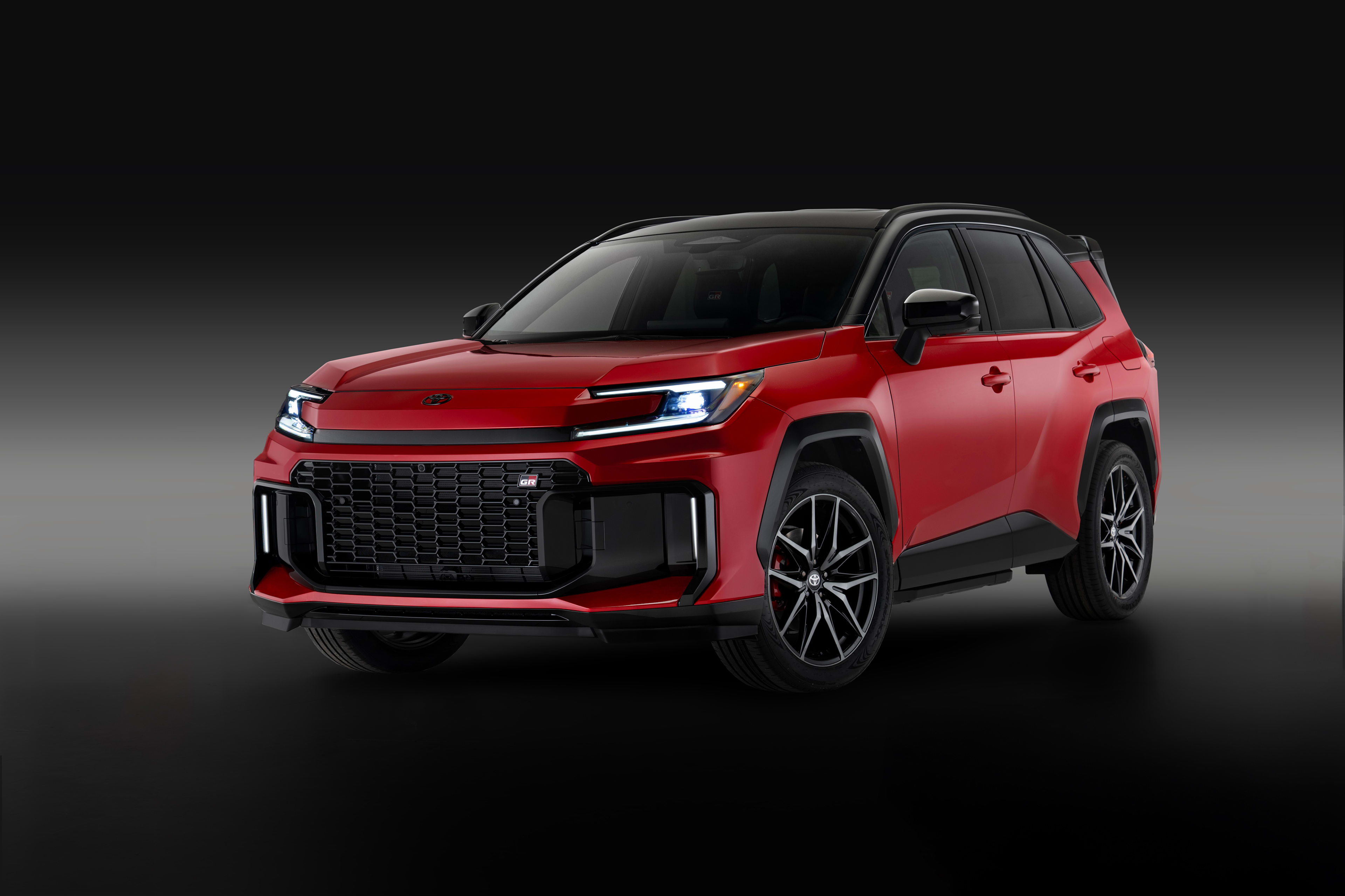
Design: A bolder, more contemporary aesthetic is a given. Drawing inspiration from recent Toyota SUVs like the Grand Highlander and Tacoma, the 2026 RAV4 will likely feature a more aggressive front fascia, perhaps with slimmer LED lighting signatures and a more sculpted body. The current generation’s rugged cues will likely be amplified, appealing to the adventurous spirit, while maintaining aerodynamic efficiency crucial for fuel economy.
Powertrains: This is where the 2026 RAV4 will truly shine, and where its "best for the money" argument will be most potent.
- Hybrid as the Bedrock: The conventional hybrid system, already a segment benchmark, will undoubtedly receive upgrades for increased power and even better fuel efficiency. Expect over 40 MPG combined to remain a strong selling point.
- Enhanced Prime (PHEV): The RAV4 Prime, currently offering an impressive electric range, will likely see its all-electric capabilities extended, possibly pushing towards 50 miles or more on a single charge. This significantly enhances its value proposition for urban commuters and those with access to charging.
- The Electrified Unknown: While a full battery-electric (BEV) RAV4 seems unlikely for the initial launch, given Toyota’s current EV strategy focusing on dedicated platforms like the bZ series, a dedicated BEV variant could emerge later in the generation’s lifecycle, perhaps leveraging some shared components.
- Traditional ICE: A refined gasoline-only option will likely remain for the entry-level, but expect its role to diminish as hybrids become the default for value-conscious buyers.
Technology & Interior: Toyota has been rapidly improving its infotainment systems, and the 2026 RAV4 will surely feature larger, more intuitive screens, potentially with wireless Apple CarPlay/Android Auto as standard across more trims. Over-the-air (OTA) update capabilities will become crucial for keeping software current. Toyota Safety Sense (TSS) will evolve to version 4.0 or higher, bringing even more sophisticated driver-assistance features, including enhanced adaptive cruise control, lane-keeping, and proactive driving assist. The interior will also see an uplift in material quality, addressing some criticisms of the current generation, with a focus on ergonomics, storage, and connectivity. A quieter cabin will be a priority.
The "Value" Proposition: For the 2026 RAV4, the "best for the money" argument will hinge on its unmatched blend of reliability, exceptional fuel economy (especially with the hybrids), strong resale value, and comprehensive standard safety features. Toyota’s reputation for longevity and low running costs is a powerful draw, minimizing the total cost of ownership over time.
The Contenders: A Gauntlet of Quality
The compact SUV segment is a melting pot of innovation, style, and practicality. The 2026 RAV4 won’t be entering a vacuum; it will face a formidable array of refreshed and redesigned rivals.
1. Honda CR-V: The Perennial Rival
The CR-V has always been the RAV4’s closest competitor, a masterclass in practicality and refinement. The current generation, introduced in 2023, boasts a sophisticated interior, comfortable ride, and an excellent hybrid powertrain.
- Strengths: Class-leading interior space and cargo volume, refined driving dynamics, mature styling, excellent hybrid efficiency. Honda’s reputation for reliability and resale value is nearly on par with Toyota.
- Weaknesses: Hybrid availability might be limited on lower trims, and its styling, while mature, might lack the "rugged" appeal some buyers seek. Pricing can climb quickly.
- "Money" Angle: Offers incredible practicality and a balanced driving experience. Its hybrid system is a strong contender, and its resale value is stellar. For families prioritizing space and comfort, it’s a strong value.
2. Hyundai Tucson / Kia Sportage: The Design Rebels
These Korean twins have taken the segment by storm with their daring designs, feature-packed interiors, and compelling warranties. By 2026, both will likely have received mid-cycle refreshes, keeping them fresh.
- Strengths: Bold, distinctive styling; feature-rich interiors with large screens; strong powertrain options including hybrid and PHEV; industry-leading warranty (10-year/100,000-mile powertrain).
- Weaknesses: Fuel economy on non-hybrid models is average; some might find the styling polarizing; long-term reliability is improving but still catching up to Toyota/Honda perception.
- "Money" Angle: For sheer features per dollar and warranty peace of mind, the Tucson/Sportage are incredibly compelling. Their PHEV variants offer strong electric range, and the standard features list is often more generous than rivals.
3. Subaru Forester: The Adventurous Spirit
Known for its standard Symmetrical All-Wheel Drive and impressive ground clearance, the Forester appeals to those with an active, outdoorsy lifestyle. A new generation is expected around 2025, bringing updates.
- Strengths: Standard AWD, excellent visibility, robust safety features (EyeSight), impressive cargo capacity, rugged capability.
- Weaknesses: Powertrain options are often less powerful and less efficient than rivals (no full hybrid currently, though a mild-hybrid ‘e-Boxer’ exists in some markets); interior can feel a bit utilitarian.
- "Money" Angle: For buyers in snowy climates or those who frequently venture off-pavement, the standard AWD and robust build quality offer unmatched value and confidence. Its lower starting price can be attractive, though fuel costs might be higher over time.
4. Mazda CX-5 / CX-50: The Premium Aspirations
Mazda has carved out a niche by offering a more premium driving experience and upscale interiors without the premium price tag. The CX-5 is the established player, while the CX-50 offers a more rugged aesthetic.
- Strengths: Engaging driving dynamics, premium interior materials and design, refined engines (especially the optional turbo), attractive styling.
- Weaknesses: Less interior space and cargo room than rivals; fuel economy is good but not segment-leading; no full hybrid or PHEV options (though a CX-50 hybrid is coming).
- "Money" Angle: For buyers who prioritize driving enjoyment and a near-luxury feel without breaking the bank, Mazda offers incredible value. While not the most practical, the perceived quality and driving experience elevate it.
5. Nissan Rogue: The Comfort Cruiser
The Rogue has steadily improved, focusing on comfort, quietness, and advanced driver-assistance tech.
- Strengths: Comfortable "Zero Gravity" seats, quiet cabin, smooth ride, available ProPILOT Assist (advanced ADAS), innovative VC-Turbo engine (variable compression) offering a good balance of power and efficiency.
- Weaknesses: Less engaging to drive than some rivals; hybrid option isn’t as robust as Toyota/Honda; resale value can trail competitors.
- "Money" Angle: For those prioritizing comfort on long commutes and advanced safety features, the Rogue offers a strong package. Its VC-Turbo engine provides a unique blend of power and efficiency for a non-hybrid.
The "Best for the Money" Breakdown: Where Does the RAV4 Stand?
Defining "best for the money" is subjective, but it generally encompasses initial purchase price, fuel economy, reliability, maintenance costs, resale value, and standard features.
-
Initial Cost: The 2026 RAV4 will likely see a slight increase in starting price, reflecting its new technology and refinements. However, Toyota traditionally offers competitive pricing across its trims. Rivals like the Subaru Forester or base Hyundai/Kia models might have slightly lower entry points, while the Mazda CX-5/CX-50 often feel more expensive for comparable features. The Honda CR-V will likely be very similar in price.
-
Fuel Economy: This is the RAV4’s trump card. With its advanced hybrid and PHEV options, it will be incredibly difficult to beat for overall fuel efficiency. The CR-V Hybrid is a strong challenger, and the Hyundai/Kia PHEVs are competitive, but Toyota’s scale and proven technology give it an edge, leading to significant savings at the pump over time.
-
Reliability & Maintenance: Toyota’s reputation here is legendary. The RAV4 consistently ranks at the top for long-term dependability, translating to lower repair costs and fewer headaches. While Honda is close, and Hyundai/Kia’s warranty offers peace of mind, Toyota’s real-world track record is hard to beat, making it a "best for the money" winner in this crucial category.
-
Resale Value: Another area where the RAV4 is consistently a segment leader. Its desirability, reliability, and fuel efficiency mean it holds its value exceptionally well. This dramatically lowers the total cost of ownership, as you recoup a larger percentage of your initial investment when it’s time to sell. Honda is a strong second, while others typically lag.
-
Standard Features & Tech: By 2026, most compact SUVs will offer a robust suite of standard safety features. The RAV4’s TSS 4.0 will be comprehensive. Hyundai/Kia often impress with more standard "creature comforts" and larger screens on lower trims. Mazda focuses on premium feel. The RAV4 will likely strike a balance, offering essential tech and safety without going overboard on base models, reserving advanced features for higher trims.
-
Driving Experience & Interior Quality: The 2026 RAV4 will aim for a more refined and quieter ride, addressing current criticisms. Honda CR-V and Mazda CX-5/CX-50 will likely remain benchmarks for refinement and driving dynamics, respectively. Hyundai/Kia offer stylish, feature-packed interiors, while Subaru leans into rugged practicality. The RAV4 will likely offer a well-rounded experience, prioritizing comfort and ease of use over outright sportiness.
The Verdict: The King’s Gambit Continues
Will the 2026 Toyota RAV4 be the "best SUV for the money"? For a significant portion of the buying public, the answer will likely remain a resounding yes.
Its unbeatable combination of unwavering reliability, class-leading fuel economy (especially with hybrid/PHEV), and segment-topping resale value creates a total cost of ownership that is incredibly difficult for rivals to match. While its initial purchase price might not always be the absolute lowest, the savings accumulated over years of ownership – fewer repairs, less money spent at the pump, and a higher return when you sell – cement its position as a financial smart choice.
However, "best for the money" isn’t a monolithic definition:
- For the Tech and Style Savvy: The Hyundai Tucson/Kia Sportage will offer more eye-catching designs and a longer list of standard features for the dollar.
- For the Practical Family: The Honda CR-V will continue to impress with its cavernous interior and refined experience.
- For the Adventurer: The Subaru Forester’s standard AWD and rugged capability offer unique value.
- For the Driver’s Enthusiast: The Mazda CX-5/CX-50 will deliver a premium driving feel unmatched by the others in its price bracket.
The 2026 Toyota RAV4 will not just rest on its laurels; it will evolve, refine, and continue to push the boundaries of what a compact SUV can offer. While the competition is fierce and diverse, the new RAV4’s expected blend of Toyota’s bulletproof reputation, enhanced efficiency, and modern technology will ensure it remains a formidable contender, quite possibly retaining its crown as the go-to choice for those seeking the ultimate blend of practicality, dependability, and long-term financial wisdom in the compact SUV segment. The battle, however, promises to be more exciting than ever.