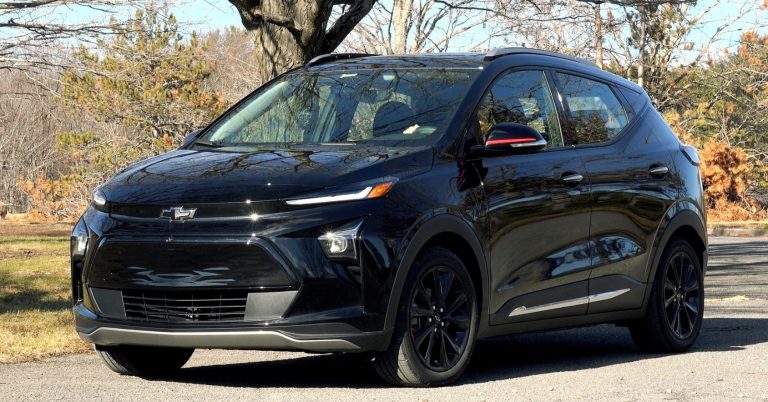
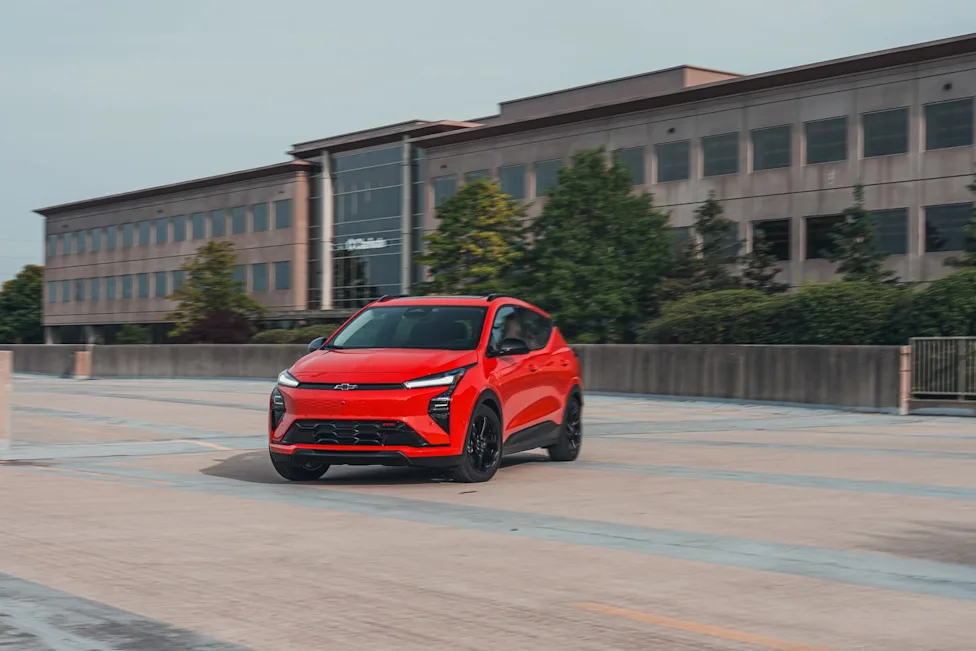
SpeedSUVs.com — Finding true value in the rapidly evolving electric vehicle market has become a primary goal for modern car buyers. While high-end flagship electric cars often capture headlines with astronomical performance figures and luxury price tags, the real achievement lies in engineering vehicles that offer outstanding capability at an accessible price point. The Chevrolet Bolt has established itself as a benchmark for practical, budget-friendly electric driving, proving that a vehicle does not need to cost a fortune to deliver an exceptional ownership experience. However, several other compelling electric vehicles also offer an impressive balance of range, performance, and everyday usability, standing out as highly competitive alternatives in a market filled with expensive options.
The Appeal of “Less is More” in the Modern EV Market
With the average transaction price for new automobiles hovering around the $50,000 threshold, purchasing a new vehicle has become a significant financial commitment. This pricing pressure is particularly evident in the electric vehicle sector, where advanced battery technology and cutting-edge software often drive retail costs even higher. Consequently, the most impressive engineering achievements are not necessarily the most expensive models, but rather the vehicles that have been carefully pared down to their essential elements. Stripping away unnecessary complexity while retaining core capabilities like robust driving range, refined ride quality, and essential creature comforts is incredibly difficult. The standout contenders in this space manage to deliver a high-quality experience without forcing buyers to compromise on the fundamental necessities of modern driving, making ownership feel like a smart, calculated decision.
Tesla Model 3 RWD: The Refined Benchmark
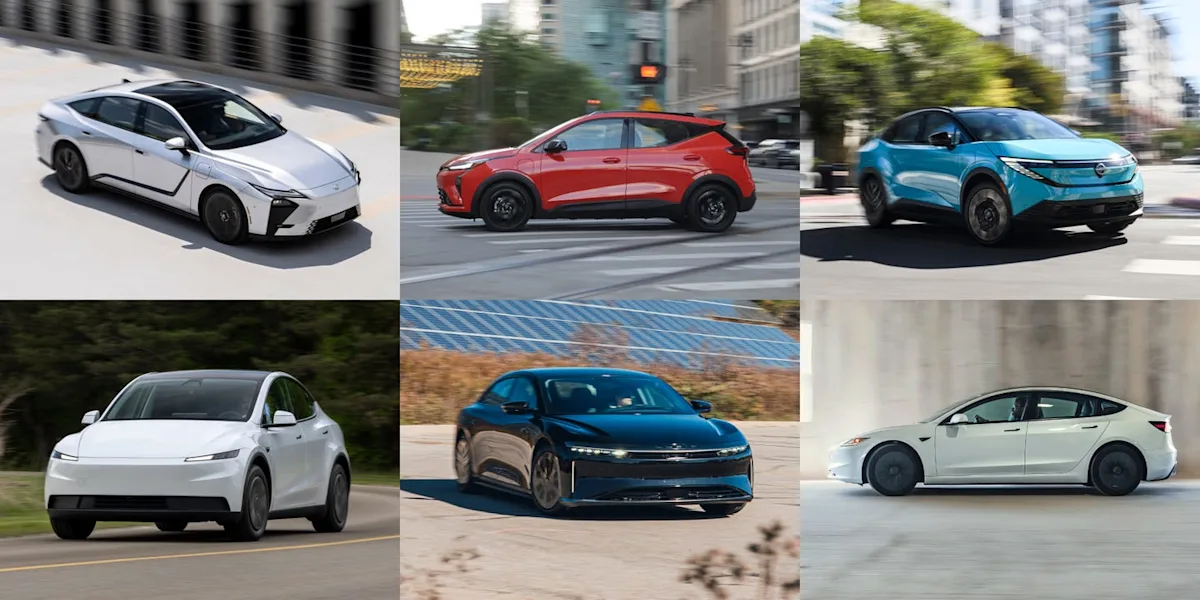
The base Tesla Model 3 Rear-Wheel Drive (RWD) represents a highly polished entry point into the electric vehicle space. Priced at $38,630, this model has benefited from years of continuous manufacturing refinements and software updates. It features a rear-mounted motor producing 300 horsepower, allowing it to accelerate from zero to 60 mph in a swift 5.4 seconds. More importantly, it delivers an EPA-estimated driving range of 321 miles, addressing one of the primary concerns of electric vehicle buyers. On the road, the Model 3 RWD feels exceptionally light on its feet and effortless to handle. It avoids feeling stripped down, offering a complete suite of standard amenities and high-quality materials that make its below-market price point feel like an incredible bargain for daily commuters.
Lexus ES350e Premium: Posh and Poised Luxury
For buyers seeking a more traditional luxury experience, the Lexus ES350e Premium delivers a remarkably sophisticated electric sedan platform. Priced at a base of $48,795, it undercuts many luxury competitors while offering a serene, quiet, and exceptionally comfortable ride. The vehicle glides over road imperfections with ease, creating a cabin environment that feels isolated from external noise. Performance is equally impressive, with a zero-to-60 mph acceleration time of 4.9 seconds. With an EPA-rated range of 307 miles, it provides more than enough distance for long-range travel. The ES350e Premium delivers such a complete and cohesive luxury experience that upgrading to the more expensive ES500e variant feels entirely unnecessary, making the base premium model a standout value proposition.
Nissan Leaf S+: The Promising Budget Contender
The Nissan Leaf has long been a pioneer in the electric vehicle market, and the new model for 2026 continues this legacy with a highly appealing entry-level variant. The Leaf S+ model starts at an enticing price of $31,535, making it one of the most accessible electric vehicles available. It boasts a highly competitive driving range of 303 miles, which is an exceptional figure for a vehicle at this price point. Although the entry-level S+ trim was not physically present at the official testing event—leaving only the top-tier $40,535 Platinum trim available for evaluation—the theoretical value of the S+ makes it a highly compelling option. For buyers focused strictly on maximizing range per dollar, the Leaf S+ remains a crucial alternative that deserves serious consideration.
Tesla Model Y RWD: Practical and Minimalist
As a larger sibling to the Model 3, the base Tesla Model Y Rear-Wheel Drive (RWD) offers a more spacious alternative for utility-focused buyers. Priced at $41,630, the Model Y RWD shares many of the positive traits of the Model 3, including a clean, minimalist interior design and an easy, pleasant driving character. It delivers an EPA-rated range of 321 miles and can accelerate from zero to 60 mph in a respectable 5.9 seconds. This combination of interior cargo space, impressive range, and smooth power delivery ensures that buyers do not need to spend more on higher-tier Model Y configurations to get a highly capable and satisfying electric crossover.
Lucid Air Pure: Premium Value at a Higher Tier
While most value-oriented electric vehicles occupy lower price brackets, the Lucid Air Pure demonstrates that exceptional value can also exist at a higher price point. Retailing at $72,400, the Air Pure serves as the entry-level model for the Lucid lineup. It features a sleek, aerodynamic design and a stylishly appointed cabin. Powered by a 430-horsepower rear motor, it dashes to 60 mph in just 4.3 seconds. Its standout feature is its outstanding EPA-rated range of 420 miles, allowing for effortless long-distance travel. Despite its premium price tag, the Air Pure delivers such a high level of engineering excellence, performance, and range that it feels like a genuine bargain compared to other high-end luxury electric sedans.
Pros and Cons of the Contenders
To help buyers weigh their options, here is a balanced overview of the pros and cons of these value-driven electric vehicles based on the testing evaluations:
- Tesla Model 3 RWD: Pros include its honed, high-quality driving dynamics, excellent 321-mile range, and highly competitive $38,630 price point. Cons are limited, though it remains a familiar design that has been on the market for several years.
- Lexus ES350e Premium: Pros include an incredibly quiet and comfortable ride, premium interior materials, and rapid 4.9-second acceleration. Cons are minimal, though its traditional styling may not appeal to those wanting a futuristic aesthetic.
- Nissan Leaf S+: Pros include an incredibly low starting price of $31,535 and an impressive 303-mile range. The main con is its lack of availability for direct driving tests during the main evaluation event, meaning buyers must rely on specifications.
- Tesla Model Y RWD: Pros include a highly spacious cabin, pleasant handling, and a strong 321-mile range. Cons are its minimalist interior, which might feel too sparse for some buyers.
- Lucid Air Pure: Pros include an outstanding 420-mile range, rapid acceleration, and a highly luxurious driving experience. The primary con is its higher starting price of $72,400, which puts it out of reach for budget-conscious buyers.
Conclusion
The electric vehicle market is no longer defined solely by expensive luxury models. While the Chevrolet Bolt continues to set the standard for pure value, alternatives like the Tesla Model 3 RWD, Lexus ES350e Premium, Nissan Leaf S+, Tesla Model Y RWD, and Lucid Air Pure prove that value exists across various price ranges. Whether you are looking for a budget-friendly commuter car under $35,000 or a premium long-range sedan that punches far above its weight, these contenders offer focused, honest, and highly capable electric driving experiences that will make any buyer feel smart.