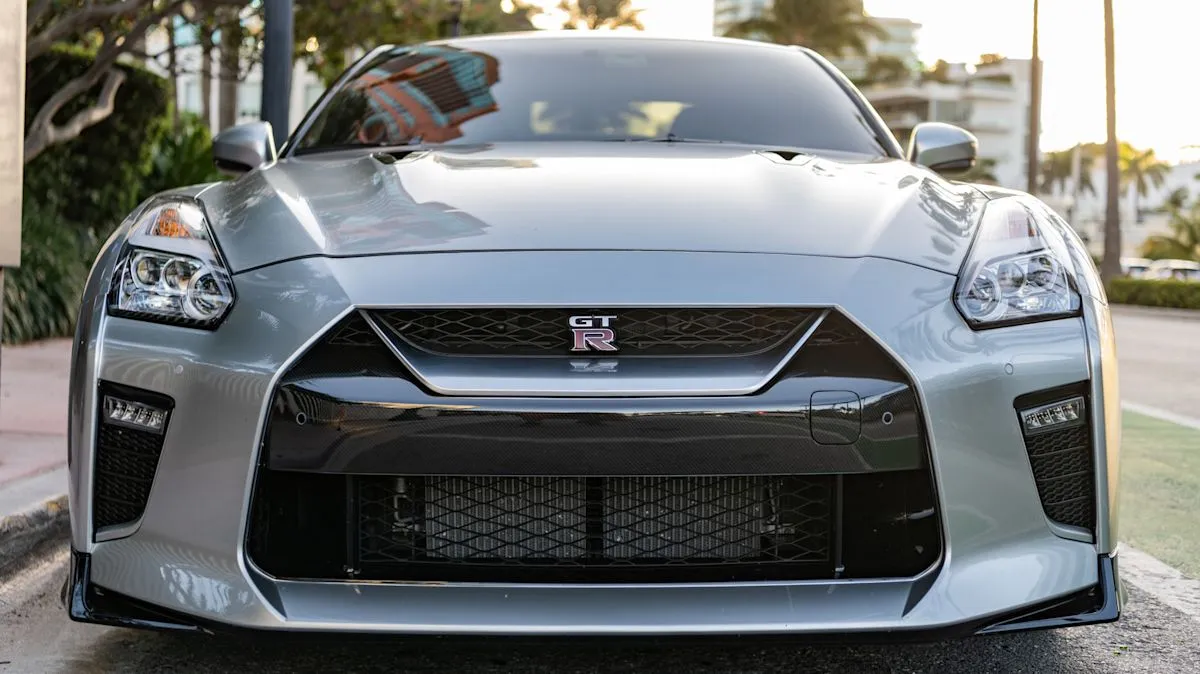
SpeedSUVs.com — For nearly two decades, the R35 Nissan GT-R has stood as one of the most significant performance vehicles in automotive history. Since its introduction in 2007, it set a gold standard for speed, with its most capable variants achieving a 0-60 mph sprint in just 2.9 seconds. While its production concluded in August 2025 after roughly 48,000 units, the GT-R remains a benchmark for acceleration. However, the automotive industry has evolved rapidly, shifting the focus from traditional internal combustion supercars to high-torque electric vehicles. Today, heavy-duty pickup trucks are achieving acceleration numbers that once seemed reserved exclusively for exotic supercars.
The Paradigm Shift in Acceleration
The transition toward electric powertrains has enabled engineers to extract immense power from heavy platforms. While the Nissan GT-R relies on a sophisticated all-wheel-drive system and a twin-turbo V6, modern electric trucks leverage the instantaneous torque provided by electric motors. This shift has resulted in massive family-oriented vehicles capable of outperforming the legendary R35. Three specific models have emerged as leaders in this unlikely performance battle: the Rivian R1T, the Tesla Cybertruck, and the GMC Hummer EV.
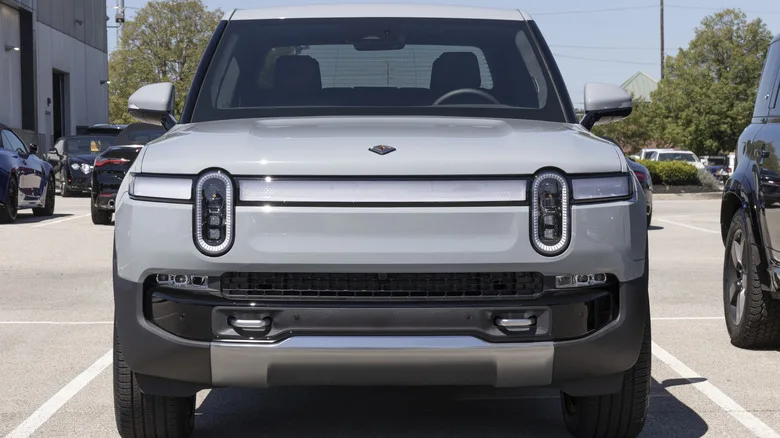
Rivian R1T Quad-Motor
The Rivian R1T Quad-Motor currently holds the title for the quickest production pickup truck available. Equipped with four electric motors, it produces a combined output of 1,025 horsepower and a staggering 1,198 pound-feet of torque. While the manufacturer claims a 2.5-second time to 60 mph, independent instrumented testing has verified a 2.6-second sprint, making it the fastest pickup truck ever subjected to such rigorous analysis.
The performance metrics of the R1T are truly anomalous for a vehicle weighing nearly 7,000 pounds. In quarter-mile tests, it has crossed the finish line in just 10.4 seconds at 128 mph. Despite this raw speed, the vehicle remains highly functional, offering a towing capacity of up to 11,000 pounds when configured with the Max battery pack. The primary limitation when compared to the GT-R is its top speed, which is electronically governed to 131 mph, whereas the GT-R is designed for sustained high-speed performance.
Pros and Cons of the Rivian R1T
- Pros: Exceptional acceleration, impressive towing capability, and refined handling characteristics for its class.
- Cons: Significant curb weight compared to sports cars and a limited top speed.
Tesla Cybertruck Cyberbeast
The Tesla Cybertruck Cyberbeast, a tri-motor variant of Tesla’s futuristic truck, matches the Rivian’s 2.6-second 0-60 mph performance. Its acceleration is so aggressive that it frequently outperforms legendary supercars, including the V12-powered Ferrari F12, in quarter-mile drag races. The Cyberbeast records an 11.0-second quarter-mile time at 119 mph.
Weighing in at 6,901 pounds, the Cybertruck utilizes 834 horsepower to mask its mass effectively. While it excels in short-burst acceleration, the Cyberbeast experiences a slight drop-off in performance at triple-digit speeds compared to the Rivian R1T. It requires 6.9 seconds to reach 100 mph, trailing the Rivian by nearly a full second. Like the R1T, it is limited to a top speed of 131 mph but maintains a robust towing capacity of 11,000 pounds.
Pros and Cons of the Tesla Cybertruck
- Pros: Futuristic design, highly competitive straight-line speed, and strong towing utility.
- Cons: Reduced performance at higher speeds and polarizing aesthetics.
GMC Hummer EV Pickup 3X
The GMC Hummer EV 3X occupies a unique space in the market, balancing extreme mass with immense power. Weighing roughly 9,000 pounds, it utilizes a three-motor setup to generate 1,000 horsepower and 1,200 pound-feet of torque. This behemoth can reach 60 mph in 3.1 seconds, with the Carbon Fiber Edition—upgraded to 1,160 horsepower—reportedly achieving the feat in 2.8 seconds using its specialized launch mode.
While the Hummer EV is not as aerodynamically efficient as the GT-R, its raw power allows it to defy physics. Its capabilities extend beyond straight-line speed, featuring four-wheel steering and the “CrabWalk” feature, though its size and weight make it less practical for daily driving compared to smaller trucks. With a price point often exceeding $130,000 for top-tier trims, it represents a luxury performance statement rather than a utility-first vehicle.
Pros and Cons of the GMC Hummer EV
- Pros: Unmatched presence, powerful acceleration for its weight, and advanced off-road features.
- Cons: Extremely heavy, less practical for daily use, and carries a very high entry price.
Conclusion
The era of the internal combustion supercar is being challenged by the rise of high-performance electric trucks. While the Nissan GT-R remains a masterpiece of engineering, the Rivian R1T, Tesla Cybertruck, and GMC Hummer EV demonstrate that massive towing capacity and extreme acceleration are no longer mutually exclusive. For buyers prioritizing sheer launch speed, the Rivian R1T stands out as the most balanced performer. However, those drawn to the unique features of the Tesla or the sheer presence of the Hummer may find those vehicles more compelling, provided they can accommodate the substantial weight and dimensions of these modern electric giants.