SpeedSUVs.com — The Volkswagen Group is currently navigating a significant strategic shift as it attempts to address ongoing financial challenges. As part of a broader effort to improve efficiency and profitability, the automotive giant has announced plans to gradually streamline its extensive global model portfolio. Reports indicate that this transformation could lead to a reduction of the company’s total model offerings by as much as 50 percent in the coming years.
Potential Models Facing Discontinuation
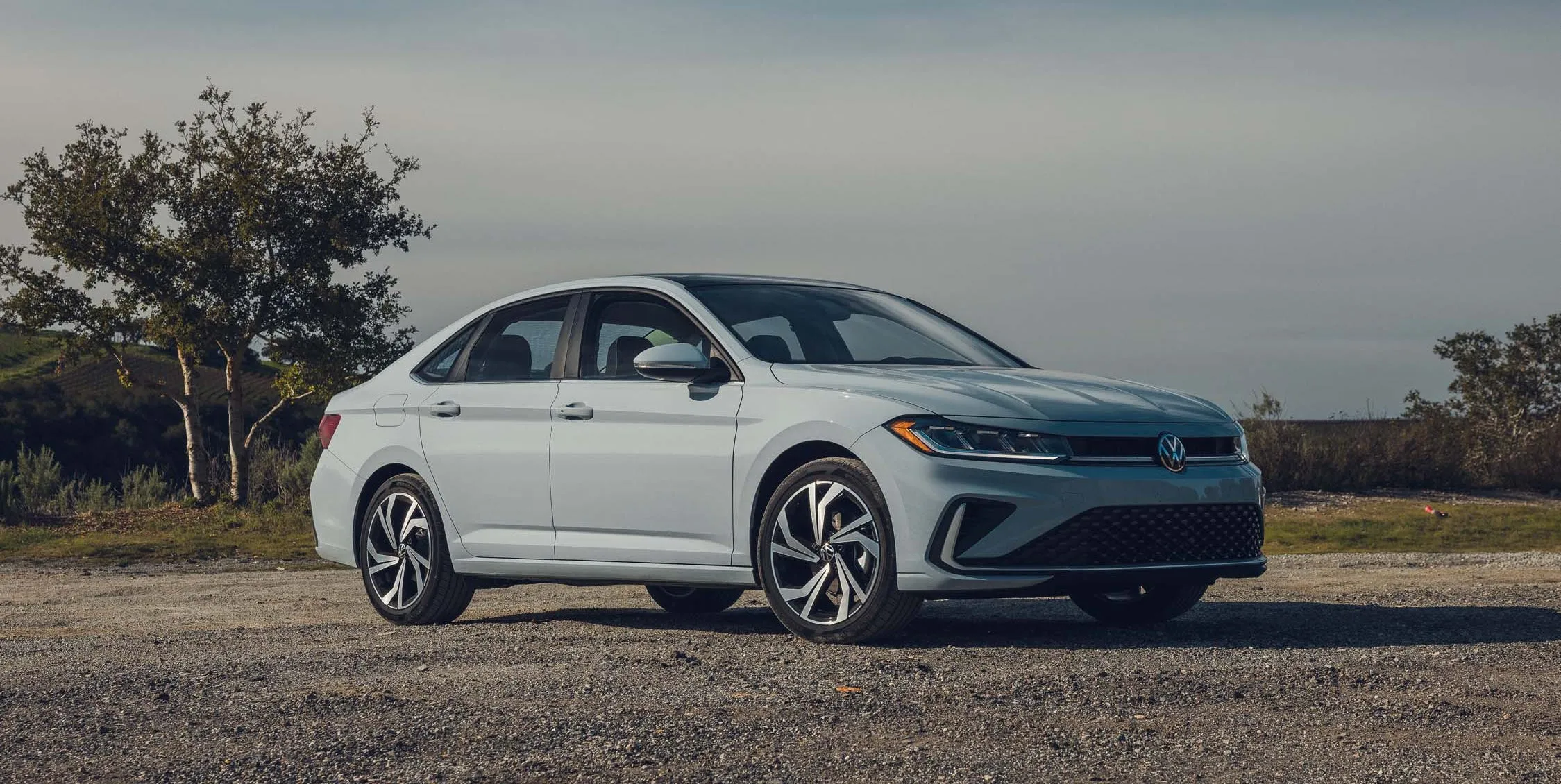
While the official list of vehicles slated for removal remains unconfirmed, recent reports from German media outlets have identified several prominent nameplates that may be under review. Among the Volkswagen brand vehicles, the long-running Jetta sedan and the Taos subcompact SUV are reportedly being considered for the chopping block. These models have been staples in various global markets, and their potential retirement marks a major shift in the brand’s volume strategy.

The luxury and performance divisions under the Volkswagen Group umbrella are also expected to see changes. Porsche, for instance, may not pursue a second-generation version of the Taycan electric vehicle. Additionally, plans for a next-generation gas-powered 718 Boxster and Cayman, along with the Cayenne Coupe, are reportedly facing cancellation. Within the Audi brand, the Q5 Sportback and Q6 e-tron Sportback are also identified as potential casualties of this restructuring process.
Simplification of Production and Options
Beyond simply removing specific models, the Volkswagen Group is focusing on reducing complexity within its remaining lineup. The company has stated its intention to simplify its model lines significantly. This strategy includes a plan to reduce the number of equipment options and trim levels available to customers by up to 75 percent. By limiting the variety of configurations, the manufacturer hopes to lower production costs and improve supply chain efficiency.
Pros and Cons of the Strategy
- Pros: A streamlined lineup allows for lower manufacturing overhead, simplified logistics, and potentially higher profit margins per unit produced. Focusing on fewer, high-demand models could also accelerate the development of new electric vehicle technologies.
- Cons: Reducing the variety of models and trim levels limits consumer choice, which may alienate buyers who prefer highly customizable vehicles. Furthermore, discontinuing established nameplates like the Jetta could impact brand loyalty in markets where those models hold significant historical value.
Conclusion
The Volkswagen Group’s move to refine its model range is a reactive measure to current financial pressures. While official confirmation is still pending, the prospect of losing long-standing models like the Jetta or future performance cars like the gas-fed 718 indicates a major pivot toward efficiency. For consumers, this suggests that the era of vast, complex model choices from the group may be coming to an end, favoring a more focused and simplified automotive portfolio.