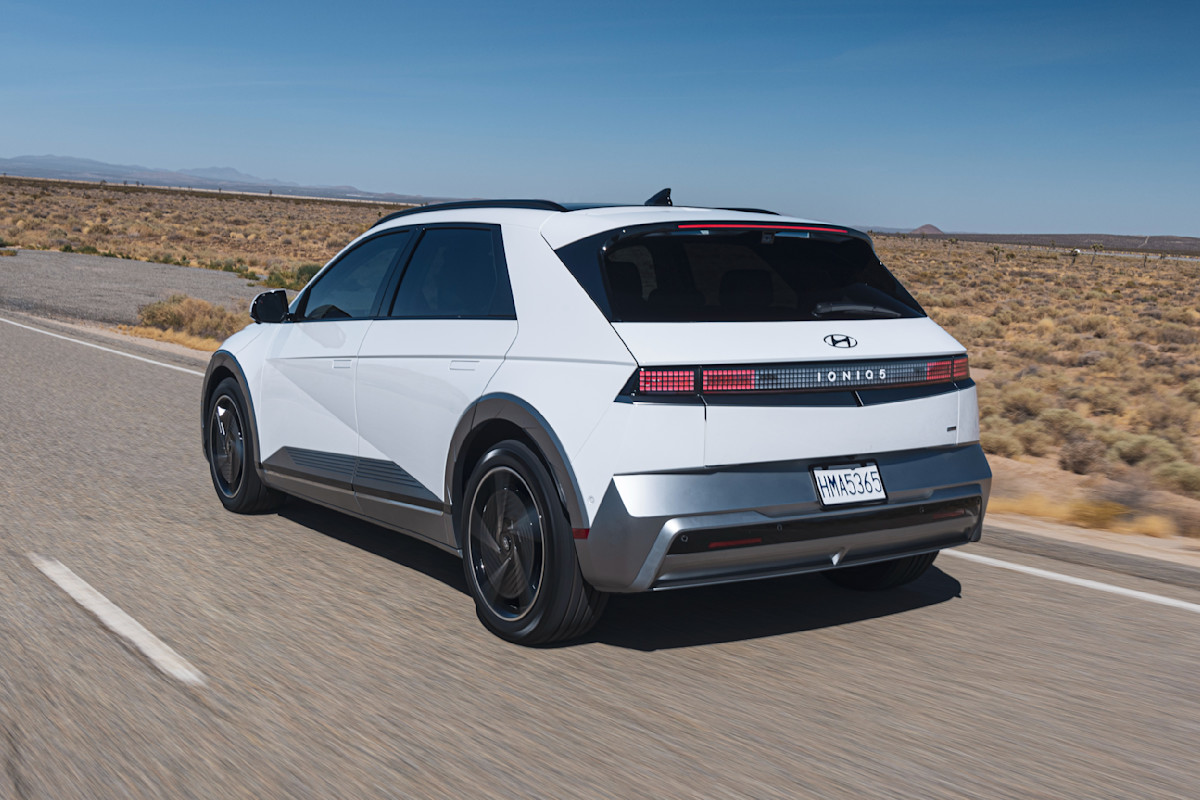
The Hyundai Ioniq 5 has rapidly cemented its position as a game-changer in the electric vehicle (EV) market since its debut. With its distinctive retro-futuristic design, ultra-fast charging capabilities, and spacious, tech-forward interior, it has captivated consumers and critics alike. As the automotive world constantly evolves, anticipation is already building for the next iteration. While the 2025 model year is expected to bring a minor refresh, all eyes are now turning to the 2026 Hyundai Ioniq 5, which promises to build upon this success with potential significant enhancements.
This comprehensive article delves into everything we know and can anticipate about the 2026 Hyundai Ioniq 5 release date, explores the likely upgrades and features, and provides an ultimate buying guide to help prospective owners navigate the exciting journey of acquiring this cutting-edge electric SUV.
The Anticipation: 2026 Hyundai Ioniq 5 Release Date & What to Expect
Hyundai operates on a fairly predictable product cycle, typically introducing a mid-cycle refresh (often called a facelift or LCI – Life Cycle Impulse) around 3-4 years after a model’s initial launch, followed by a complete redesign several years later. The Ioniq 5 was introduced globally in 2021 as a 2022 model year vehicle in North America. This timeline suggests that while a minor refresh is slated for the 2025 model year, the 2026 Hyundai Ioniq 5 could potentially represent a more substantial update, or it might carry over the refreshed features from 2025, offering a more refined and mature product.
Projected Timeline for the 2026 Ioniq 5
Given industry trends and Hyundai’s typical schedules:
- Late 2024 / Early 2025: We expect the official reveal of the 2025 Ioniq 5, detailing its mid-cycle refresh. This refresh will likely introduce updated styling cues, potentially a larger battery option, and new tech features.
- Late 2025 / Early 2026: The 2026 Hyundai Ioniq 5 would then likely begin production and be available for sale. It’s plausible that the 2026 model will largely carry over the enhancements introduced in the 2025 refresh, allowing Hyundai to fine-tune the updated features and ramp up production efficiency. However, there’s always a chance for minor, incremental updates or new package options for 2026.
- Full Redesign Speculation: A complete, ground-up redesign of the Ioniq 5 wouldn’t be expected until closer to the 2028-2029 model years, aligning with a typical 7-8 year product cycle. Therefore, the 2026 Ioniq 5 will almost certainly be an evolution of the current critically acclaimed platform.
What Kind of Updates Can We Expect for the 2026 Model?
Based on the anticipated 2025 refresh, the 2026 Hyundai Ioniq 5 will likely feature a series of enhancements aimed at keeping it competitive and addressing early adopter feedback.
-
Exterior Design Refinements:
- Subtle Styling Tweaks: Expect updated front and rear bumper designs, possibly revised grille patterns (even on an EV), and new headlight and taillight signatures that align with Hyundai’s evolving design language.
- New Wheel Designs: A common refresh element, new aerodynamic wheel options could enhance efficiency and aesthetics.
- Expanded Color Palette: New exterior paint options are almost a given.
-
Interior Enhancements:
- Improved Materials & Ergonomics: Hyundai might introduce higher-quality soft-touch materials, new color schemes, and subtle ergonomic improvements to controls.
- Infotainment System Upgrade: While the current system is good, Hyundai is constantly refining its software. The 2026 Ioniq 5 could see a new generation of its infotainment system (e.g., ccNC – connected car Navigation Cockpit), offering faster processing, enhanced graphics, and potentially new connectivity features. Expect larger screens or a redesigned layout.
- Physical Buttons: Addressing feedback, Hyundai might reintroduce or refine some physical controls for frequently used functions like climate and volume.
- Comfort Features: Potential upgrades to seat ventilation/heating, massage functions, or ambient lighting options.
-
Performance & Powertrain Advancements:
- Battery & Range: While a revolutionary leap isn’t expected in a refresh, incremental improvements in battery chemistry could lead to a slight increase in usable capacity and thus, an extended driving range. A larger battery option, beyond the current 77.4 kWh, is a strong possibility.
- Charging Speed: Already a leader with 800V architecture, Hyundai might optimize software to maintain peak charging rates for longer durations or slightly improve maximum rates.
- Motor Efficiency: Minor tweaks to electric motors could yield better efficiency and potentially a slight bump in horsepower/torque for certain trims.
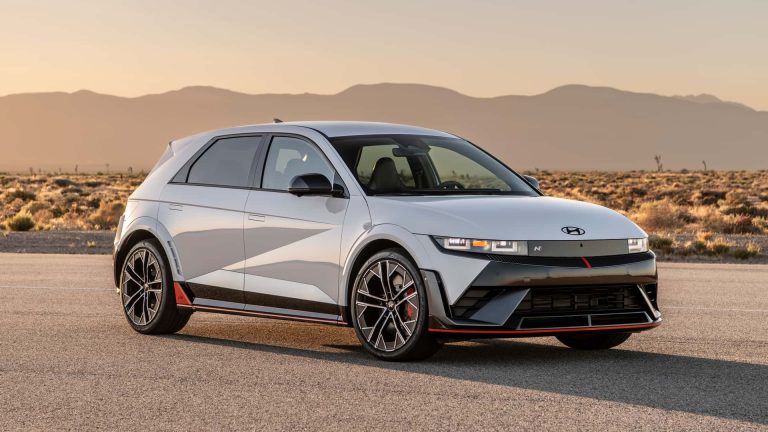
- Ioniq 5 N Influence: With the high-performance Ioniq 5 N making waves, some of its performance-oriented features or design cues might trickle down to the regular 2026 Ioniq 5 trims, perhaps in a sportier package.
-
Technology & Safety Upgrades:
- Advanced Driver-Assistance Systems (ADAS): Expect the suite of Hyundai SmartSense features to be updated, possibly including enhanced Highway Driving Assist (HDA 3.0), improved remote smart parking assist, and more sophisticated blind-spot monitoring or cross-traffic alerts.
- Over-the-Air (OTA) Updates: Hyundai will continue to leverage OTA updates for software and potentially minor feature additions.
- Digital Key: Enhanced versions of Hyundai’s digital key technology, allowing more flexible access and sharing.
-
Trim Levels and Pricing:
- The familiar SE, SEL, and Limited trims are likely to continue, possibly with new sub-trims or packages.
- Pricing will naturally see a slight increase due to inflation and the added features, but Hyundai is expected to maintain its competitive value proposition.
The Ultimate 2026 Hyundai Ioniq 5 Buying Guide
Purchasing an EV, especially a highly anticipated model like the 2026 Hyundai Ioniq 5, involves unique considerations. This guide will walk you through the entire process, from pre-purchase preparation to post-purchase ownership.
Phase 1: Pre-Purchase Preparation
This is arguably the most crucial phase, setting the foundation for a smooth and satisfying ownership experience.
-
Assess Your Needs and Lifestyle:
- Daily Commute & Range Anxiety: How far do you drive daily? Do you take frequent long trips? The Ioniq 5 offers excellent range, but understanding your typical usage will help you decide if the standard range or a potential extended range option is right for you.
- Charging Habits: Do you have access to home charging? Will you rely on public charging? This is paramount for EV ownership.
- Family Size & Cargo: The Ioniq 5 is a spacious compact SUV. Does it meet your family’s needs for passenger and cargo space?
- Budget: Beyond the sticker price, consider insurance, charging costs, and potential maintenance.
-
Financial Planning & Budgeting:
- MSRP vs. Out-the-Door Price: Research potential MSRPs for the 2026 Hyundai Ioniq 5. Remember to factor in destination charges, taxes, registration fees, and potential dealer markups (especially for a new, popular model).
- Insurance Costs: EVs can sometimes be more expensive to insure due to repair costs and technology. Get quotes from multiple providers.
- Charging Costs: Calculate estimated monthly electricity costs based on your driving and local electricity rates. This is typically significantly less than gasoline.
- Maintenance: EVs generally have lower routine maintenance costs (no oil changes, fewer moving parts), but factor in tire rotations, cabin filters, and brake fluid checks.
-
Home Charging Infrastructure:
- Level 2 Charger Installation: This is highly recommended for EV owners. A 240V Level 2 charger can fully charge your Ioniq 5 overnight. Budget for the charger unit (typically $400-$800) and professional installation (which can range from $500 to over $2,000 depending on your home’s electrical panel and wiring needs).
- Electrical Panel Upgrade: Older homes might require an electrical panel upgrade to support a Level 2 charger, adding to the installation cost.
- Tax Credits/Rebates: Research federal, state, and local incentives for charger installation.
-
Understand Incentives and Tax Credits:
- Federal EV Tax Credit: The U.S. federal tax credit (up to $7,500) has strict requirements regarding battery component sourcing and final assembly location. Hyundai’s Ioniq 5 is assembled in South Korea, which has historically made it ineligible for the full credit for purchase. However, leasing options can sometimes pass the commercial clean vehicle credit to the consumer. It is crucial to verify the latest eligibility rules closer to the 2026 release.
- State & Local Incentives: Many states, cities, and even utility companies offer rebates, tax credits, or other perks (like HOV lane access) for EV purchases and charging infrastructure. Research what’s available in your area.
-
Test Driving and Comparisons:
- Current Ioniq 5: Even before the 2026 Hyundai Ioniq 5 is available, test driving the current model will give you an excellent feel for its driving dynamics, interior space, and overall user experience.
- Competitors: Test drive rivals like the Tesla Model Y, Kia EV6, Ford Mustang Mach-E, Volkswagen ID.4, and Nissan Ariya. This helps you appreciate the Ioniq 5’s unique strengths and ensure it’s the right fit.
Phase 2: The Purchase Process
Once you’re prepared, navigating the actual buying process requires strategy.
-
Finding an EV-Certified Dealer:
- Not all Hyundai dealerships are equally equipped to sell and service EVs. Look for dealerships that have specific EV certifications, dedicated EV sales specialists, and technicians trained for electric vehicles. They will be more knowledgeable about incentives, charging, and specific EV features.
- Check online reviews and ask about their EV sales volume.
-
Pre-Ordering / Reservations:
- For highly anticipated models like the 2026 Hyundai Ioniq 5, especially if it features significant upgrades, demand might outstrip supply initially. Many manufacturers offer online reservation systems or allow dealers to take pre-orders with a refundable deposit.
- This can secure your place in line and potentially guarantee you one of the first units. Stay informed via Hyundai’s official channels and your preferred dealer.
-
Negotiation Tips:
- Focus on the Out-the-Door Price: Always negotiate the total price, including all fees, rather than just the MSRP.
- Avoid Unnecessary Add-ons: Be firm about declining extended warranties, paint protection, or other dealer-installed accessories unless you genuinely want them.
- Do Your Homework: Research fair market value for the 2026 Hyundai Ioniq 5 by checking sites like Edmunds, Kelley Blue Book, or TrueCar once pricing is released.
- Get Quotes from Multiple Dealers: Use competing offers to your advantage.
-
Financing Options:
- Loans: Get pre-approved for a loan from your bank or credit union before visiting the dealership. This gives you leverage and a benchmark interest rate.
- Leasing: Consider leasing, especially with rapidly evolving EV technology. A lease allows you to drive a new vehicle for a set period (typically 2-3 years) with lower monthly payments and then upgrade to a newer model with potentially better range or tech. Be aware of mileage limits and end-of-lease fees.
-
Trade-ins:
- Get independent appraisals for your current vehicle from online services (Carvana, Vroom, etc.) or other dealerships before discussing a trade-in with your Hyundai dealer. This ensures you know its true market value and can negotiate fairly.
-
Warranty and Maintenance Plans:
- Hyundai’s Excellent Warranty: Hyundai typically offers one of the best warranties in the industry (e.g., 5-year/60,000-mile new vehicle limited warranty, 10-year/100,000-mile powertrain limited warranty). EVs also have separate battery and electric motor warranties, often 10-year/100,000 miles. Understand these coverages.
- EV-Specific Maintenance: While simpler, EVs still require maintenance. Discuss recommended service intervals and costs with the dealer.
Phase 3: Post-Purchase Ownership
Congratulations, you’re now an owner of the 2026 Hyundai Ioniq 5! Here’s how to maximize your ownership experience.
-
Charging Habits:
- Daily Charging: For optimal battery health, generally keep your charge level between 20% and 80-90% for daily driving. Only charge to 100% when preparing for a long trip.
- Public Charging: Familiarize yourself with public charging networks (Electrify America, ChargePoint, EVgo, etc.) and download their apps. Plan longer trips using in-car navigation or apps like A Better Routeplanner.
- DC Fast Charging: The Ioniq 5’s 800V architecture allows incredibly fast DC fast charging. Understand how to use these stations efficiently and where they are located.
-
Software Updates (OTA):
- Hyundai frequently rolls out over-the-air updates for its infotainment system, navigation, and even vehicle performance. Ensure your vehicle is connected to Wi-Fi or cellular data to receive these updates.
-
Maintenance Schedule:
- Follow the recommended maintenance schedule in your owner’s manual. This will typically include tire rotations, cabin air filter replacements, brake inspections (less frequent due to regenerative braking), and fluid checks (coolant for battery, brake fluid).
-
Community & Support:
- Join online forums, social media groups, and local EV owner communities. These can be invaluable resources for tips, troubleshooting, and sharing experiences with your 2026 Hyundai Ioniq 5.
- Stay connected with your dealership for any service needs or questions.
The 2026 Hyundai Ioniq 5 in the Competitive Landscape
The electric SUV segment is becoming increasingly crowded. The 2026 Hyundai Ioniq 5 will face stiff competition from:
- Tesla Model Y: Its biggest rival, known for its extensive Supercharger network and strong performance.
- Kia EV6: The Ioniq 5’s platform mate, offering a sportier design and similar capabilities.
- Ford Mustang Mach-E: A stylish, performance-oriented option with a strong brand legacy.
- Volkswagen ID.4: A more conventional SUV approach with good range and value.
- Nissan Ariya: Nissan’s entry into the modern EV SUV market.
- Subaru Solterra / Toyota bZ4X: Jointly developed compact electric SUVs.
The 2026 Hyundai Ioniq 5 will continue to differentiate itself with its unique, eye-catching design, spacious and versatile interior, segment-leading 800V ultra-fast charging capability, and a compelling balance of technology, comfort, and performance. Its anticipated enhancements will aim to solidify its position as a top contender.
Conclusion
The 2026 Hyundai Ioniq 5 is poised to continue the legacy of its groundbreaking predecessors, offering a refined, technologically advanced, and highly desirable electric vehicle experience. While specific details about its release date and features remain speculative until official announcements, the trajectory suggests a mid-cycle refresh that will further enhance its appeal.
By following this comprehensive buying guide, prospective owners can prepare thoroughly, navigate the purchase process confidently, and look forward to years of enjoyable and sustainable driving with their cutting-edge 2026 Hyundai Ioniq 5. Stay tuned to official Hyundai channels and reputable automotive news sources for the latest updates as the anticipated release draws closer. The future of electric driving looks brighter than ever, and the Ioniq 5 is ready to lead the charge.